

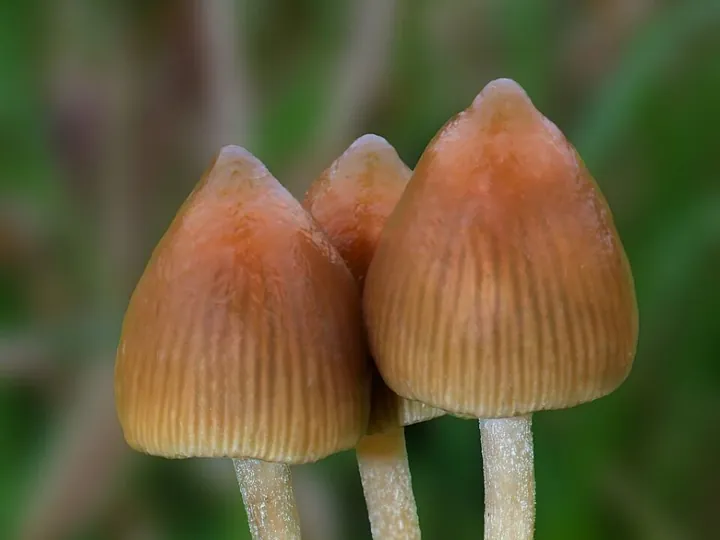
 Liberty cap
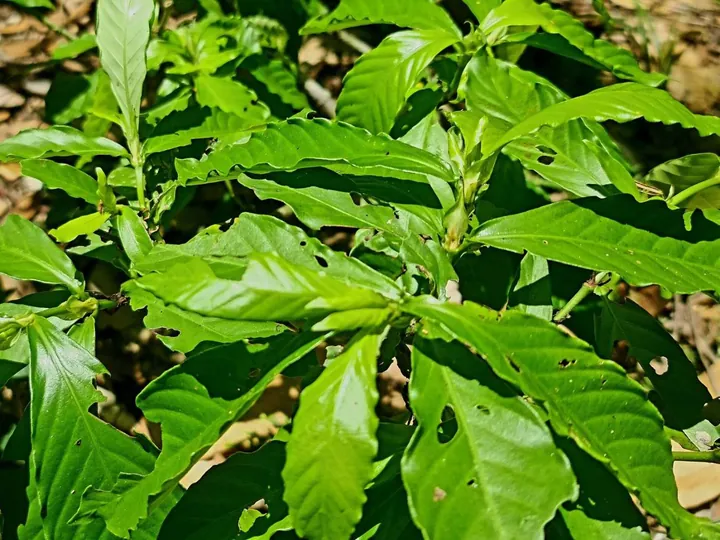 Chacruna
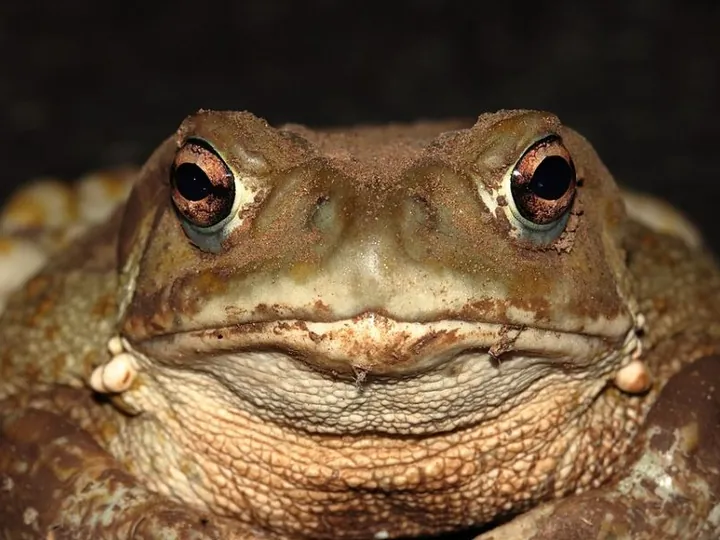 Sonoran Desert toad
Psilocybin and psilocybin mushrooms
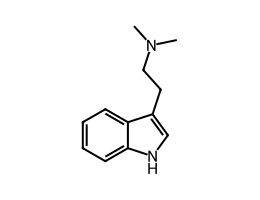
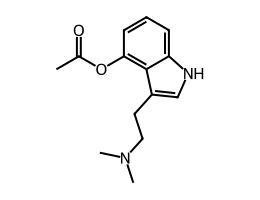
Psilocybin is found in more than a hundred species of fungi, above all of the genus Psilocybe. In the body it is transformed into psilocin, which is the active molecule. The Mazatecs of Oaxaca (Mexico) use them in healing ceremonies, and in Europe wild species such as Psilocybe semilanceata grow. Today it is the most studied psychedelic substance in clinical trials, especially for depression45. Its main risk is psychological (intense anxiety, dangerous behaviour during the effect) and, if gathered in the wild, mistaking it for toxic mushrooms such as Galerina marginata, which can be deadly.
The so-called “truffles” are sclerotia: compact masses that some species form underground. They contain the same substances as the mushrooms.
EncyclopediaPsilocybinLiberty capSan Isidro
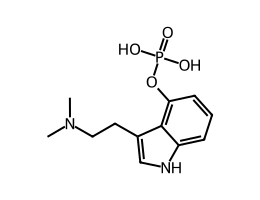 Full guide to Psilocybin mushrooms
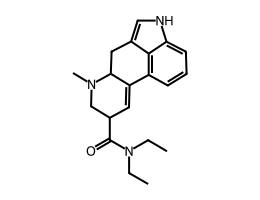
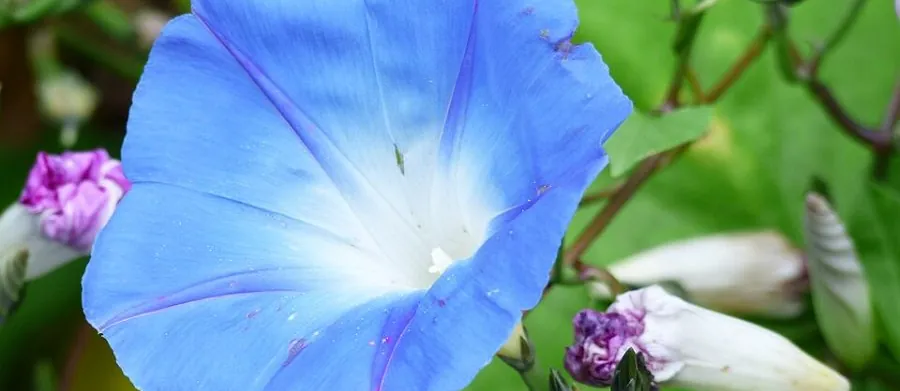 Morning glory
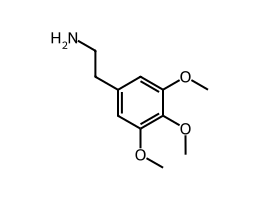
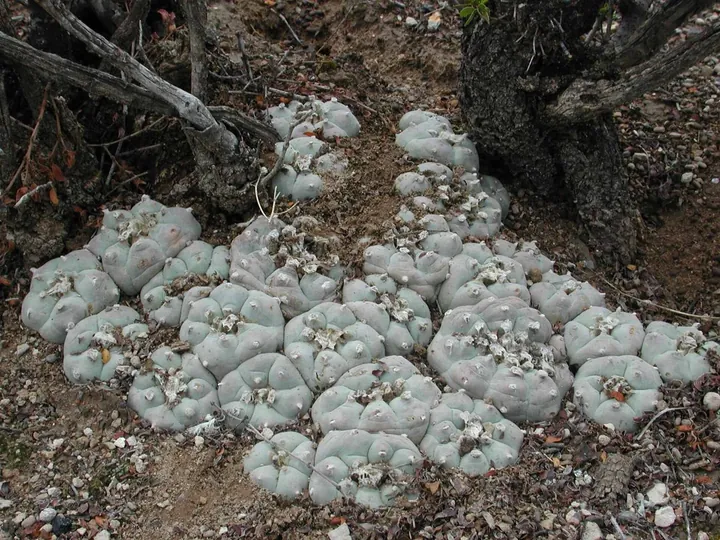 Peyote
 San Pedro
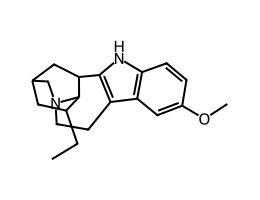
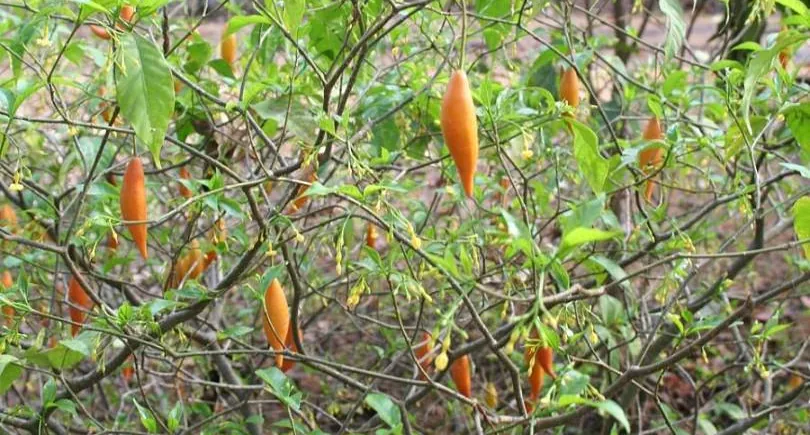 Iboga
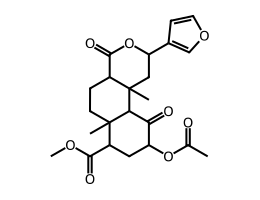
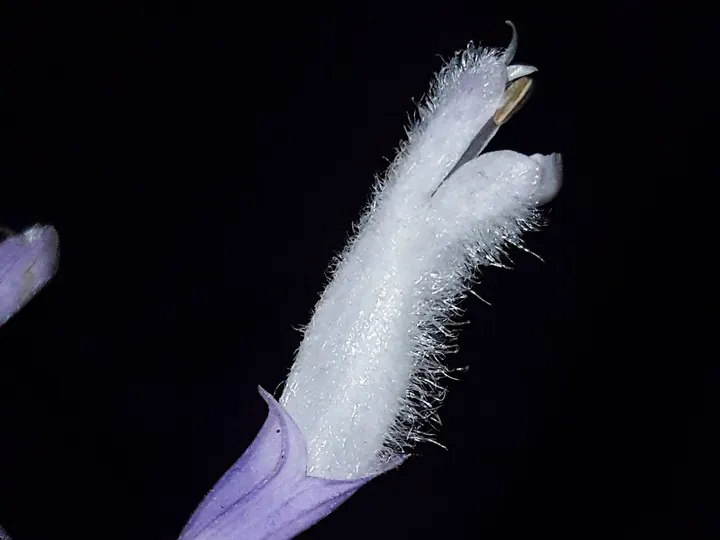 Salvia divinorum
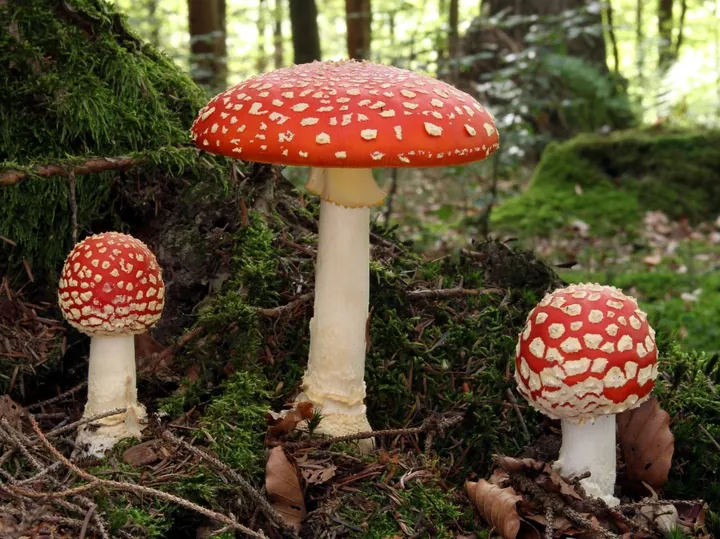 Amanita muscaria
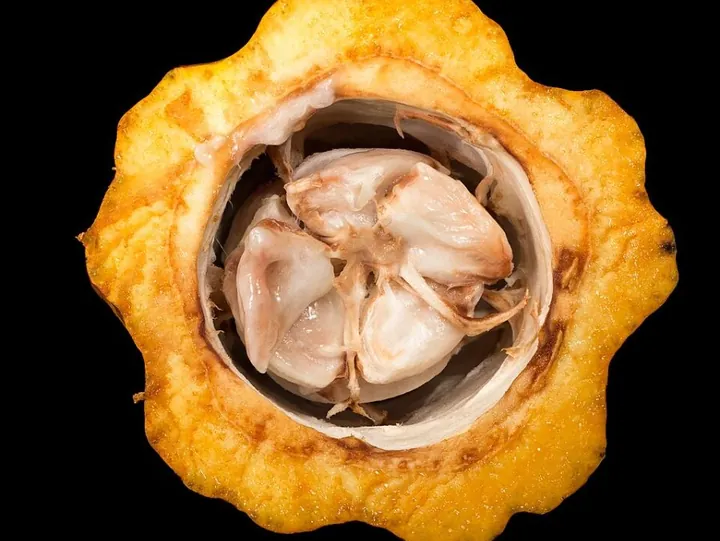 Cacao
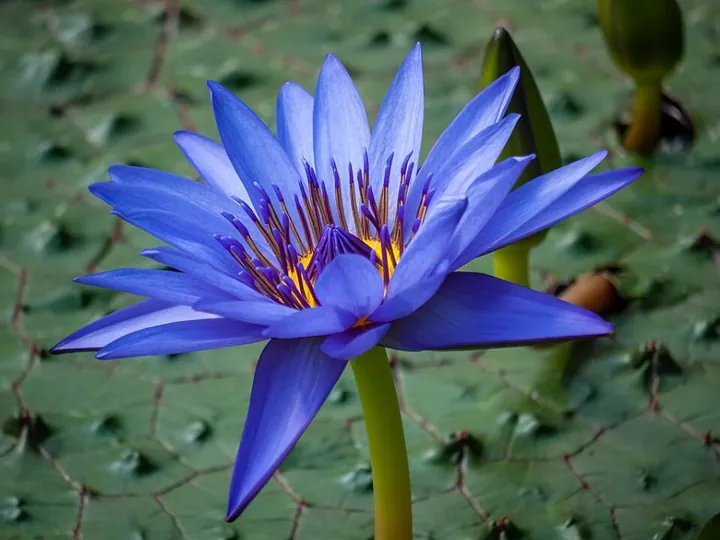 Blue water lily
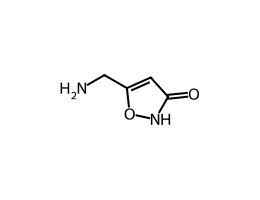
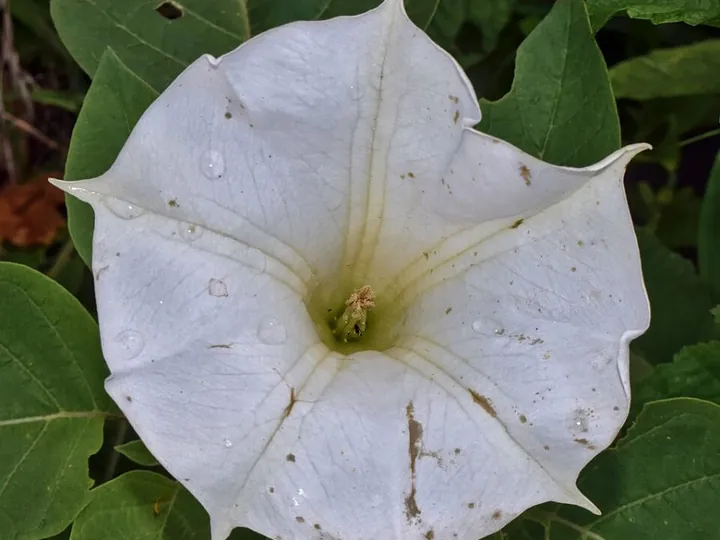 Datura
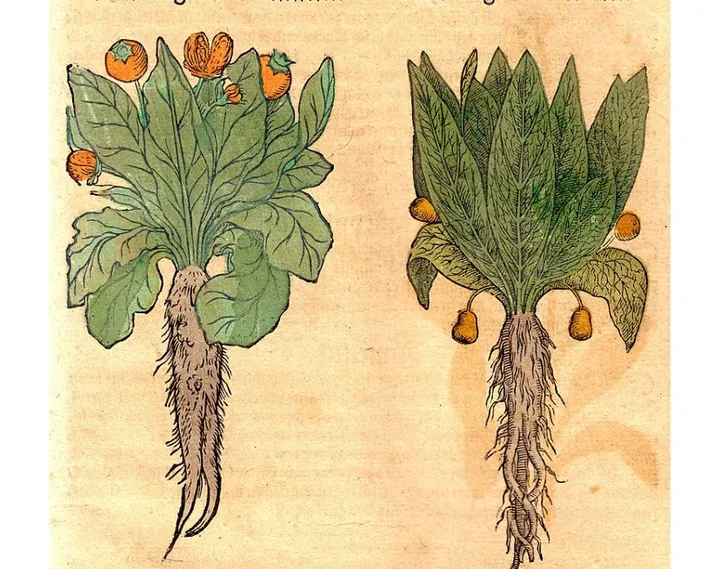 Mandrake