

Molecule · Psychoactive
THC
Δ9-tetrahydrocannabinol
Δ9-tetrahydrocannabinol (THC) is the main psychoactive component of cannabis. Raphael Mechoulam and his team isolated it and determined its structure in 1964. It acts on the cannabinoid receptor CB1, part of the endocannabinoid system that the body itself produces.1357
Also known asΔ9-THC · delta-9-tetrahydrocannabinol · dronabinol (pharmaceutical use)
- What it is
- Psychoactive phytocannabinoid
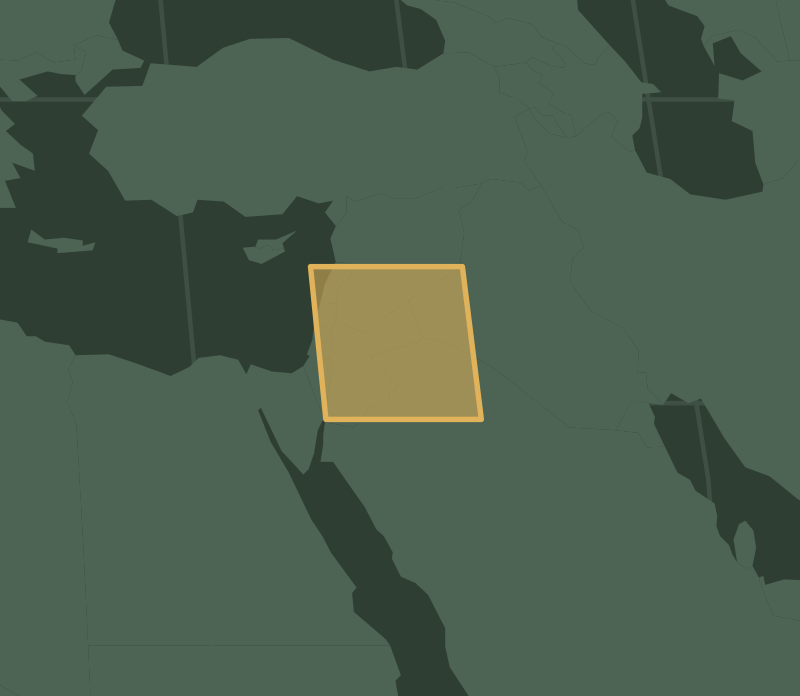
- Territory
- Cannabis sativa, of Asian origin
- Source
- Cannabis, resin or synthesis
- Mechanism
- Partial agonist of CB1 receptors
- Onset and duration
- Several hours depending on the route
- Who keeps its memory
- Hemp traditions and cannabinoid science
The substance
The main phytocannabinoid
Cannabis produces more than 140 phytocannabinoids; the best known are cannabidiol (CBD) and THC.4
THC was at first called Δ1-THC before receiving its current name.1
Its structure was published in an article of 1 April 1964, "Isolation, structure and partial synthesis of an active constituent of hashish", in the Journal of the American Chemical Society.9
Descriptive profile: no doses and no preparation.
- Class
- Cannabinoid
- Source
- Cannabis sativa
- Isolation
- 1964
- Receptor
- CB1
Memory and history
Mechoulam and the endocannabinoid system
Mechoulam's teams, at the Hebrew University, isolated THC in 1964 and showed that it was the main psychoactive component of marijuana.24
Obtaining cannabis for research was a first obstacle, and he was lucky that the institute's administrative director knew a police officer.4
Mechoulam and others also isolated CBD, cannabigerol, cannabichromene and cannabinoid acids.1
CB1 receptors were discovered between 1988 and 1990, and CB2 receptors in 1993.8
Mechoulam and colleagues identified anandamide, the endogenous ligand of CB1, which won the race to find an "endocannabinoid".81
Over time
Isolation of THC
Discovery of the CB1 receptor
Discovery of the CB2 receptor
Its names
Context and care
Origin and context
What helps
- Seeking information from reliable sources.
- Telling research, experience and regulated use apart.
- Respecting legal and clinical frameworks.
Chemistry and mechanism
Endocannabinoid system
The endocannabinoid system consists of the CB1 and CB2 receptors and the endogenous ligands that activate them.6
CB1 receptors mediate the cannabimimetic effects of THC and are expressed in presynaptic neurons, where they modulate the release of neurotransmitters.6
This system modulates many physiological processes and offers promising therapeutic targets.6
Research with THC led to the synthesis of cannabinoids, which are useful for understanding its pharmacology.6
The experience
What is described
The effects depend on the context, the route of use and the person; they are described in the cannabis entry.
Research
What has been studied
Research on cannabinoids accelerated with the discovery of the endocannabinoid system.1
Its therapeutic potential is being evaluated for several brain disorders.3
Scope of these dataSolid pharmacology and medical use in some countries; clinical evidence varies by indication.
With care
What it helps to know beforehand
Its effect depends greatly on the route, the dose and the person.
The therapeutic evidence varies by indication.3
See the cannabis entry.
To follow
Books and related medicines
Sources
Where each piece of information comes from
- Mechoulam: a pioneer of cannabinoid science. PubMed Central. ncbi.nlm.nih.gov/pmc/articles/PMC7593926/.
- Cambridge University Press. Monumental Marijuana Discoveries. resolve.cambridge.org/core/services/aop-cambridge-core/content/view/51E394ECD69117D2332D5A22FCC1C046/9781108735735c1_1-13.pdf/monumental-marijuana-discoveries.pdf.
- Early phytocannabinoid chemistry to endocannabinoids and beyond. cris.huji.ac.il/en/publications/early-phytocannabinoid-chemistry-to-endocannabinoids-and-beyond/.
- Smithsonian Magazine. Mechoulam and the cannabinoids. smithsonianmag.com/arts-culture/how-ai-could-help-restore-damaged-ancient-art-180981561/.
- Pertwee, R. G. Cannabinoid pharmacology: the first 66 years. British Journal of Pharmacology, 2006. pmc.ncbi.nlm.nih.gov/articles/PMC1760722.
- Discovery of the endocannabinoid system. PubMed Central. pmc.ncbi.nlm.nih.gov/articles/PMC8637936.
- Weedmaps. A brief history of THC. weedmaps.com/learn/?p=2497.
- Mechoulam: cannabinoid science. International Journal of Molecular Sciences. mdpi.com/1422-0067/21/20/7653.
- Oregon Leaf. Mechoulam and hashish. issuu.com/nwleaf/docs/oregonleaf_jan2023/s/17806743.
- Map APDER, with data from Natural Earth · public domain
- Molecule drawings APDER
Last reviewed: 24 November 2026. If you spot a mistake, write to us at info@apder.org.