

Medicines · Guides
Psychedelic medicines, guide by guide
What they are, how they act, what the research says and how to reduce risks. Without alarmism and without idealising them.
Go to Classic psychedelicsOther medicinesPlants and fungiHow long each one lasts
The 19 guides
They all follow the same order: what it is, how it acts, the experience, interactions, who should not take it, how to reduce risks, research and history.
No guide goes by that name. Try the search for the whole website.
Classic psychedelics
The ones that gave the word its name: mushrooms, LSD, cacti with mescaline, DMT and their relatives.
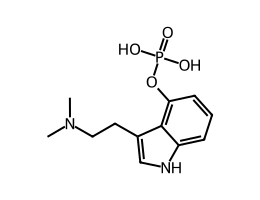 PsPsilocybin mushroomsMagic mushrooms, ‘monguis’, truffles, psilocybinClassic psychedelic4–6 h
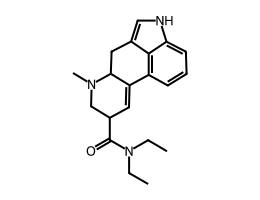 LSDLSDAcid, LSD-25, ‘tripi’, blotter, microClassic psychedelic8–12 h
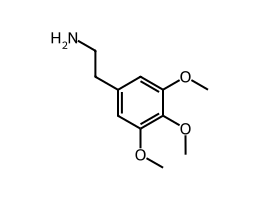 MeMescaline, peyote and San PedroPeyote, San Pedro, huachuma, Peruvian torchClassic psychedelic8–12 h
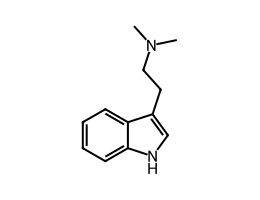 DMTDMTDimethyltryptamine, ‘dimitri’, changaClassic psychedelic5–20 min
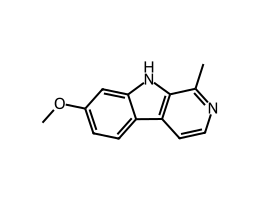 AyAyahuascaYagé, hoasca, ‘the medicine’, daime, caapiClassic psychedelic4–6 h
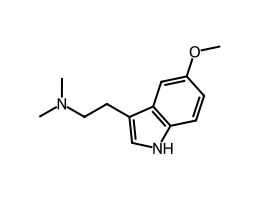 5-MeO5-MeO-DMT‘The toad’, bufo, 5-methoxy-DMTPsychedelic15–45 min
Other medicines
Empathogens, dissociatives, ibogaine and two laboratory molecules related to the classics.
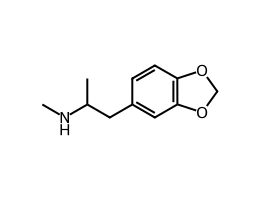 MDMAMDMAEcstasy, ‘M’, ‘cristal’, ‘pastis’, mollyEmpathogen3–6 h
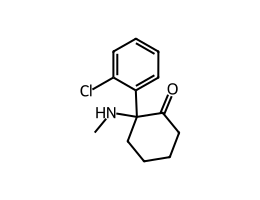 KKetamineKeta, ‘K’, ‘special K’; esketamine as a nasal sprayDissociative1–2 h
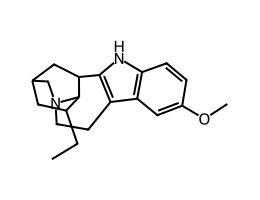 IbIbogaineIboga, Tabernanthe ibogaOneirogen24–36 h
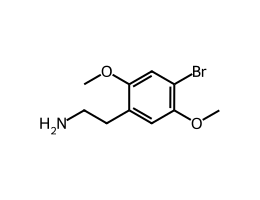 2C-B2C-B‘Nexus’, ‘venus’, ‘bees’, 4-bromo-2,5-dimethoxyphenethylaminePsychedelic4–8 h
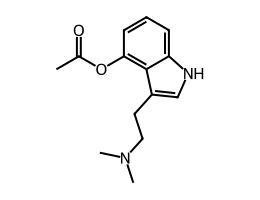 4-AcO4-AcO-DMTPsilacetin, O-acetylpsilocin, ‘4-AcO’Classic psychedelic4–6 h
Plants and fungi
Plants and fungi whose effects are very different from one another. Several are not psychedelics: each guide explains what it is and what care it calls for.
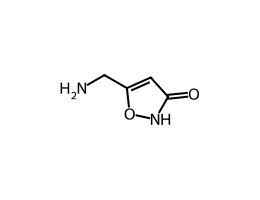 AmAmanita muscariaFly agaric, false oronja, oriol foll, amanitaDeliriant / sedative6–10 h
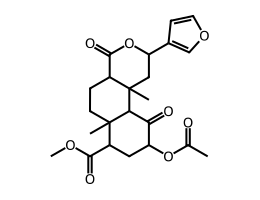 SaSalvia divinorumDiviner’s sage, ska María Pastora, hierba de la pastoraAtypical dissociative5–15 min
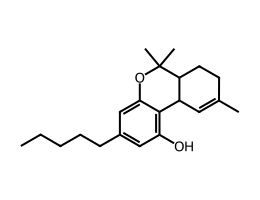 CaCannabisMarijuana, weed, ‘maría’, hashish, jointCannabinoid2–8 h
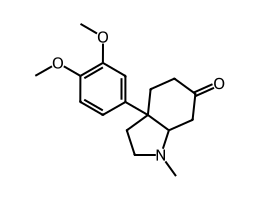 KnKannaSceletium tortuosum, kougoed, channaPlant with a mild anxiety-reducing effect1–3 h
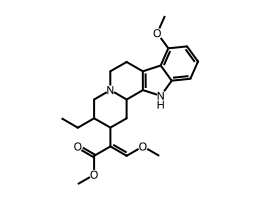 KrKratomMitragyna speciosa, ketum, biakStimulant and partial opioid2–5 h
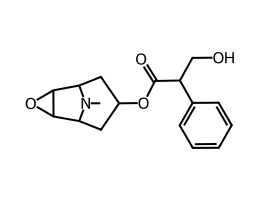 DaDaturaThorn apple, devil’s weed, chamico, angel’s trumpet (Brugmansia), toéDeliriant24–48 h
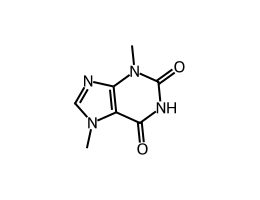 CcCacaoTheobroma cacao, ‘food of the gods’Mild stimulant2–4 h
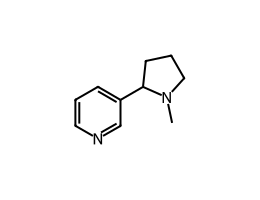 TbTobaccoMapacho (Nicotiana rustica), snuff, tobacco of the AmericasStimulant
How long each one lasts
From the minutes of DMT to the two days of datura. These are approximate times, taken from each guide: they change with the dose, the route and the person.
Classic psychedelicsOther medicinesPlants and fungi
- Salvia divinorum5–15 min intense, up to 1 h
- DMT5–20 min
- 5-MeO-DMT15–45 min
- Ketamine1–2 h (nasal)
- Kanna1–3 h (little studied)
- Cacao2–4 h; theobromine with a half-life of about 10 h
- Kratom2–5 h
- MDMA3–6 h
- 4-AcO-DMT4–6 h
- Psilocybin mushrooms4–6 h (up to 8)
- Ayahuasca4–6 h, sometimes more
- Cannabis2–8 h, depending on the route
- 2C-B4–8 h
- Amanita muscaria6–10 h, sometimes more
- LSD8–12 h
- Mescaline, peyote and San Pedro8–12 h (up to 14)
- Ibogaine24–36 h
- Datura24–48 h or more
The axis is not regular: each mark is worth several times the previous one, so that five minutes and two days fit on the same line. The pale bar shows how far it can stretch. No duration in its guide: Tobacco.
The plants, up close
Several of these medicines are a plant, a fungus or an animal before they are a molecule. Their portrait, their territory and their history are in the Encyclopedia.
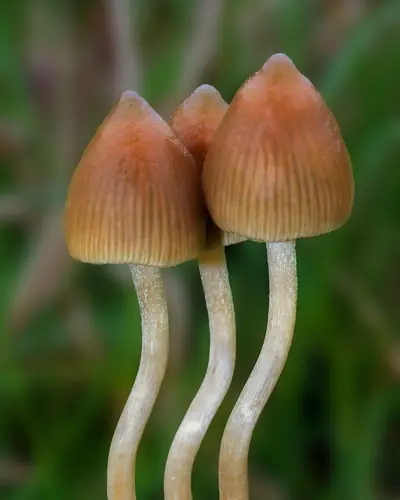 Psilocybin mushroom
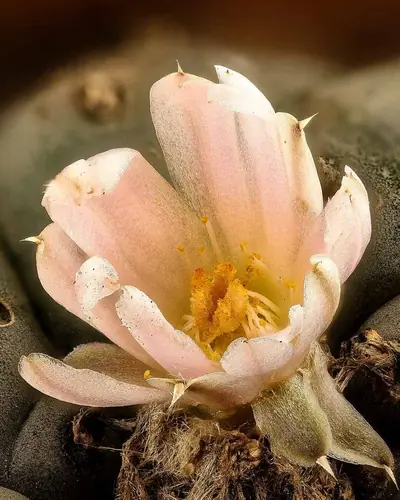 Peyote
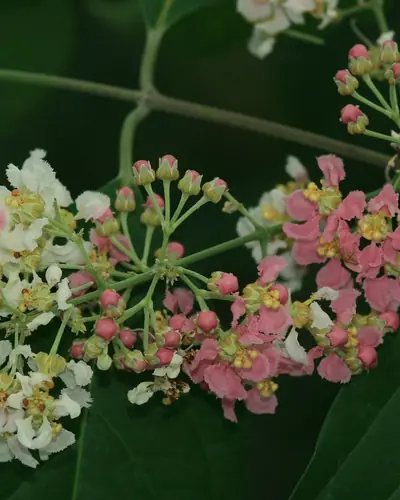 Ayahuasca
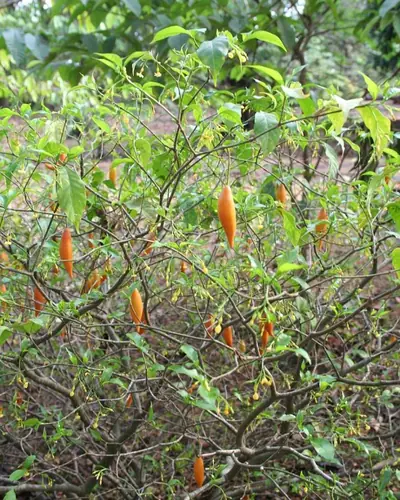 Iboga
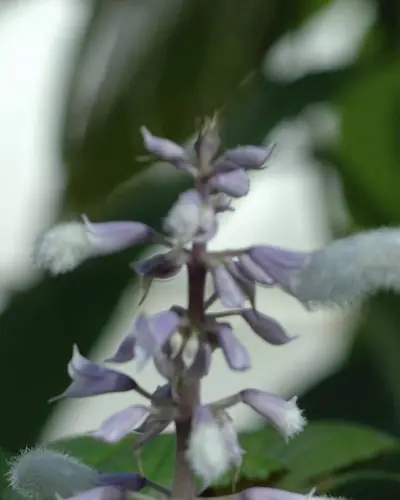 Diviner’s sage
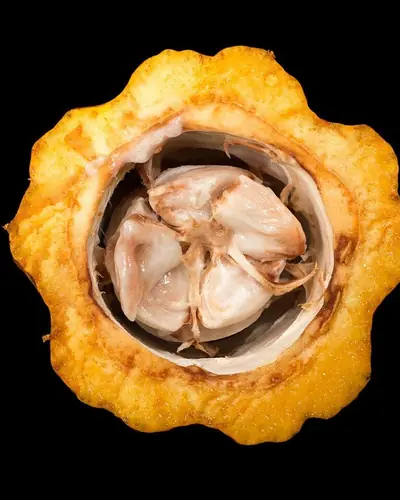 Cacao
Other ways in
What are psychedelics?
The word ‘psychedelic’ was proposed by the psychiatrist Humphry Osmond in 1957 and comes from Greek: something like ‘mind-manifesting’. By it we mean substances that, for a few hours, transform perception, mood, thought and the experience of the self.
In these guides we deal both with the classic psychedelics (psilocybin, LSD, DMT and mescaline, all acting mainly on the serotonin 5-HT2A receptor) and with other substances that are now being researched in mental health by different routes: MDMA, ketamine or ibogaine. Our approach is APDER’s: rigorous outreach, therapeutic use and harm reduction.
Psychedelics of natural origin
Many of these substances exist in nature and some cultures have used them for centuries:
- Psilocybin mushrooms grow almost all over the world, including in meadows and woods of the Iberian Peninsula.
- Ayahuasca is a drink from the Amazon. It is prepared with the vine Banisteriopsis caapi, which contains MAO inhibitors, and with leaves of Psychotria viridis, which provide DMT. Thanks to the vine, DMT can be taken orally.
- Mescaline is found in several American cacti, such as peyote and San Pedro (huachuma).
- Ibogaine is extracted from the root of an African shrub, iboga, used in initiation rites of the bwiti cult in Gabon.
- Salvia divinorum is a plant from the Mazatec highlands of Oaxaca (Mexico). Its active principle, salvinorin A, acts on kappa opioid receptors and not on serotonin.
Other natural substances with psychoactive effects are cannabis, 5-MeO-DMT (found in plants and in the secretion of the toad Incilius alvarius) and Amanita muscaria.
Psychedelics created in the laboratory
- LSD was synthesised in 1938 by the Swiss chemist Albert Hofmann, at the Sandoz laboratories, while he was looking for a circulatory stimulant. In 1943 he discovered its effects by accident.
- Ketamine was created in 1962 as an anaesthetic. Today it is also used for treatment-resistant depression, always under medical control.
- MDMA was patented by the pharmaceutical company Merck in 1912 as an intermediate substance. In the 1970s and 1980s some psychotherapists used it in their practice.
- 2C-B was synthesised by the chemist Alexander Shulgin in 1974. It combines features of psychedelics and empathogens.
How are psychedelics used?
People have used psychedelics for thousands of years. Today they are used in very different contexts: religious ceremonies, clinical research settings, personal exploration, parties or at home.
Traditional and ceremonial use
Mushrooms in Mesoamerica, peyote in North America, ayahuasca in the Amazon or iboga in Central Africa are part of religious traditions with centuries of history. In them, an experienced figure (a healer, a shaman or a guide) leads the ceremony, and the use is surrounded by rules, songs and care. Many of these traditions survived centuries of persecution and are still alive.
Therapeutic use
Between the 1950s and 1970s hundreds of studies with psychedelics were published in psychiatry. After that, research almost disappeared for decades, but since the 2000s it has returned with force. Today they are being studied for depression, post-traumatic stress disorder, addictions (alcohol, tobacco, opioids), obsessive-compulsive disorder, anorexia and distress in the face of serious illness.
Centres such as Johns Hopkins University, Imperial College London, New York University or the University Hospital of Zurich lead this research. In Spain studies have also been carried out, above all with ayahuasca.
Recreational use
There is also recreational use, with no therapeutic or religious purpose. It is the context with the most incidents recorded in emergency departments, above all because of mixtures with alcohol and other drugs, adulterated substances and a lack of support. That is why at APDER we insist on harm reduction (see below) and on substance checking.
Microdosing
To microdose is to repeatedly take a very small fraction of a normal dose, with no perceptible effects. It has become very popular as a way to improve mood or concentration, above all with psilocybin mushrooms and LSD. Placebo-controlled studies, so far, find small effects that are strongly influenced by expectations. We explain this in the microdosing guide.
Types of psychedelics
A useful way of sorting them is by chemical family and by how they act.
Tryptamines
They share a structure with serotonin. They are psilocybin (mushrooms), 4-AcO-DMT (a synthetic analogue that the body converts into psilocin), DMT, 5-MeO-DMT and the combination of DMT and MAO inhibitors that is ayahuasca. LSD is an ergoline, but its structure also contains a tryptamine core.
Phenethylamines
They share a structure with dopamine and noradrenaline. Here are mescaline (peyote and San Pedro), 2C-B and MDMA. MDMA is usually classified separately, as an empathogen, because its main effect is emotional rather than perceptual.
Dissociatives
They block the NMDA glutamate receptor and produce a sensation of separation from the body and the surroundings. The best known is ketamine. Ibogaine also has an effect on this receptor, in addition to the opioid and serotonergic systems.
Others
Salvinorin A from Salvia divinorum acts on kappa opioid receptors. Muscimol from Amanita muscaria acts on the GABA system and the mushroom can be toxic. THC from cannabis acts on the endocannabinoid system. None of them is a classic psychedelic, although they are sometimes grouped with them.
Risks and harm reduction
The classic psychedelics have low physical toxicity, but they are not free of risk. The main dangers are psychological and depend greatly on the person and the context.
They are not recommended if you or a close relative have had schizophrenia, another psychotic disorder or bipolar disorder. Nor if you have heart problems or take lithium, tramadol or certain antidepressants without first consulting a doctor.
- Set and setting: your emotional state and the place where you are have a huge influence on the experience.
- Company: it is advisable to have someone you trust who has not taken anything.
- Dose: potency varies greatly, above all in natural products. Starting with a little reduces the risk.
- Testing: in Spain there are services that test substances, such as Energy Control, so you can know what they really contain.
- Do not mix with alcohol, other drugs or medicines that you have not checked.
- Emergencies: in the event of any serious problem, call 112.
If something goes wrong
Call 112 if the person:
- does not respond or has lost consciousness;
- has seizures;
- has difficulty breathing or chest pain;
- is very hot, with dry or red skin, or is confused;
- is so agitated that they may hurt themselves or others;
- talks about harming themselves or taking their own life.
112 is free and operates throughout the European Union. Asking for help in time matters more than fear of the consequences.
While help is on its way
- Do not leave the person alone.
- If they are unconscious but breathing, put them on their side, in the recovery position.
- Find a quiet, cool, dimly lit place.
- Do not give them any more substances, or other ones to ‘counteract’ the effect.
- If they are conscious, give water in sips; drinking a lot of water at once is also dangerous.
What to tell the health staff
What they have taken, how much, when, whether they have mixed it with anything and what medication they take regularly. If any remains or the packaging, take it with you. Telling the truth helps the person to be treated properly. For questions about a poisoning, the Toxicology Information Service is available 24 hours a day on 91 562 04 20.
If it is a challenging experience, with no physical warning signs
Support them with presence and a calm voice. Remind the person that what they feel is the effect of the substance and that it will pass. If it does not ease or a risk appears, ask for help. If someone has thoughts of harming themselves, the Ministry of Health’s 024 Line is free, open 24 hours a day and confidential.
Before taking anything
Testing a substance is the only way to know what it contains. In Spain this is done by Energy Control, with offices in Andalusia, Catalonia, Madrid and Mallorca and a postal service from other regions. Also read the interactions section of each guide.
Frequently asked questions
Are psychedelics addictive?
The classic psychedelics have a low addictive potential: they do not usually cause compulsive use and the body develops tolerance very quickly, so repeating them in quick succession has hardly any effect. Ketamine and MDMA can lead to problematic patterns of use.
Can someone die from an overdose?
With psilocybin and LSD the lethal dose is far above the usual one, and deaths from direct toxicity are extremely rare. Serious risks come above all from accidents, dangerous behaviour, mixtures with other substances or previous medical problems. Ibogaine and MDMA carry more physical risks.
Does this website sell or supply substances?
No. These pages are for information only.
Last reviewed: November 2026.
Before you read on. This information is for general education. We prepare it carefully from scientific and harm reduction sources, but it may contain errors or become out of date. It is not medical advice and does not replace a health professional, especially if you take medication or have a health problem. APDER does not encourage the use of any substance and accepts no responsibility for how this information is used. If you spot an error, write to us at info@apder.org.
Canonical address: https://apder.org/sustancias/