

Plant · Solanaceae · Cosmopolitan, of disputed origin
Stramonium
Datura stramonium L.
A herb of roadsides and rubbish tips, with trumpet-shaped flowers and spiny capsules, which now grows across half the world. It is a deliriant, not a psychedelic, and its history mixes medicine, witchcraft and accidents.456
Also calledstramonium · devil’s weed · thorn apple · datura · jimsonweed · Jamestown weed
- What it is
- Annual herb of the nightshade family, with spiny capsules
- Territory
- Cosmopolitan; its exact origin is disputed
- Part used
- Leaf, flower and seed; the whole plant is toxic
- Active principles
- Scopolamine, atropine and hyoscyamine
- Onset and duration
- Hours · 24 to 48 hours or more
- Who keeps its memory
- Indigenous peoples of the Americas; in Europe, the apothecary and witchcraft
Botany
A herb that takes advantage of disturbed soil
It is an annual herb between one and four feet tall, that is, up to a little over a metre. The stem is upright and hollow, green or purplish, and the leaves have toothed edges.5
The flowers are solitary, scented and trumpet-shaped; they open in the late evening and are pollinated mainly by night-flying moths.58
Each plant produces many seeds, which can remain viable in the soil for years; in some areas it is considered invasive.5
- Family
- Solanaceae
- Cycle
- Annual
- Flower
- Trumpet of 7–15 cm, opening at dusk
- Fruit
- Capsule with spines
Memory and tradition
Medicine, witchcraft and a soldiers’ meal
In the Americas, the use of daturas is ancient. Indigenous peoples applied crushed leaves to wounds, smoked the plant for asthma and used the seeds in poultices for sore throats.8 A Pima song, sung by Tohono O’odham shamans, speaks of the datura leaves that make one dizzy.7
In 1676, in Jamestown (Virginia), some English soldiers ate the plant and became delirious. The English name jimsonweed comes from “Jamestown weed”.68
In the 19th century, stramonium was smoked in cigarettes for asthma. Today we know that the risks of poisoning outweigh the benefits.12 Atropine was isolated from this plant in 1833.6
Over time
English soldiers in Jamestown eat the plant and are poisoned; hence its English name.68
Atropine is isolated from the plant.6
Stramonium cigarettes are smoked for asthma.12
A case of poisoning from an infusion of a plant of this group is published in Spain.10
Its names
- estramonio
- from botanical Latin stramonium, of uncertain origin
- datura
- from Hindi dhatūra, “white thorn apple”
- jimsonweed
- corruption of “Jamestown weed”
- devil’s weed
- popular name for several daturas in the Americas
The Latin name stramonium was already used in the 17th century for several plants, and its origin is unclear.4
Territory and care
A herb with no clear homeland
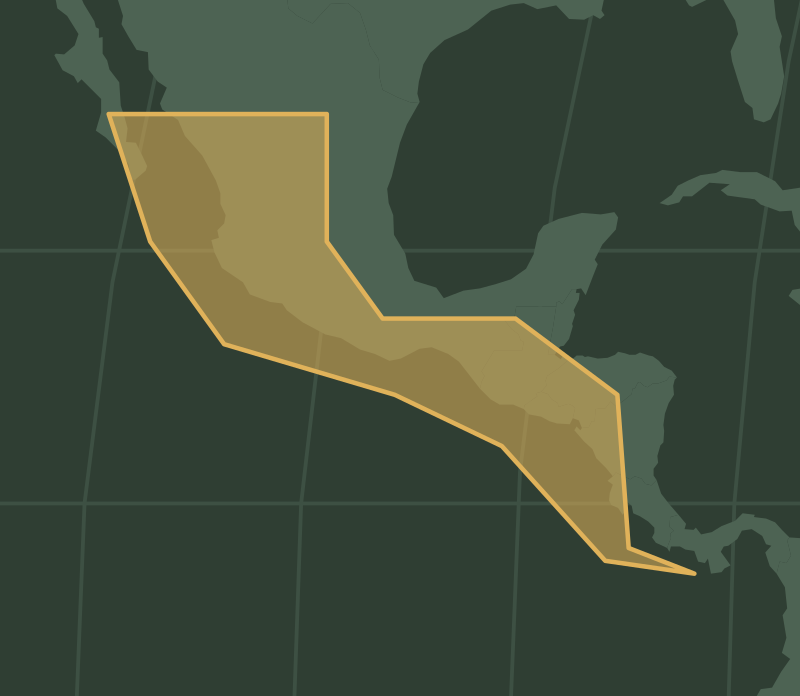
Its origin is disputed: depending on the source, it comes from Mexico, from Central America or even from Eurasia.459 Today it grows all over the world, in disturbed soil, roadsides and rubbish tips.46
Because it grows next to houses and crops, it is a classic cause of accidental poisonings, including in Spain.10
What helps
- Do not gather or consume any part of this plant.
- If you see it on your land, pull it up wearing gloves and do not let it set seed.
- Teach children never to taste an unknown plant.
What it contains
Atropine, scopolamine and hyoscyamine
Almost the whole plant contains derivatives of atropine, scopolamine and hyoscyamine.5 They are tropane alkaloids that block acetylcholine.12
The amount of alkaloids varies greatly between plants, parts and seasons.3 For this reason it is impossible to know how much there is in a particular leaf or seed.
Isolated from stramonium in 1833.[6]
Causes much of the delirium and memory loss.[1][2]
The experience
A delirium that is forgotten
It is not an experience that can be explored: the person sees and hears things they believe to be real, loses contact with reality and afterwards remembers almost nothing.12
It can last from 24 to 48 hours.12 In emergency departments it is described with hallucinations, disorientation and dilated pupils.10
Indicative outline: it changes with the preparation, the amount and the person.
Research
What has been studied
What has been studied is poisoning: how anticholinergic delirium is recognised and how it is treated.12
The cumulative burden of anticholinergic drugs has also been described, which add their effects to those of these plants.11
Scope of these dataThere are no studies supporting the use of the raw plant as a medicine or as a psychoactive. Its alkaloids are used in isolated form and in controlled doses in specific medicines.
With care
What it helps to know beforehand
Severe poisonings with fever, convulsions or coma, and accidents caused by the delirium. There is no safe dose.1
Antihistamines that cause drowsiness, tricyclic antidepressants and some antipsychotics add anticholinergic effects.11
Call the emergency services: in Spain, 112. This is a medical emergency.
The seeds and flowers tempt children and young people; there are cases described in Spain.10
To follow
Books and related medicines
Sources
Where each piece of information comes from
- Emergency Medicine Residents' Association (EMRA). Tripping off trumpets: diagnosis and management of jimson weed toxicity. EM Resident. emra.org.
- Dawson AH, Buckley NA. Pharmacological management of anticholinergic delirium: theory, evidence and practice. Br J Clin Pharmacol. 2016;81(3):516-524.
- EFSA Panel on Contaminants in the Food Chain (CONTAM). Scientific opinion on tropane alkaloids in food and feed. EFSA Journal. 2013. efsa.europa.eu.
- Wikipedia. “Datura stramonium”. en.wikipedia.org (accessed 24 November 2026).
- NC State Extension. Datura stramonium. Plant Toolbox. plants.ces.ncsu.edu.
- ADLM (Association for Diagnostics & Laboratory Medicine). Jimson weed. Toxin spotlight. myadlm.org.
- USDA Forest Service. Jimsonweed, thornapple, moonflower, and sacred daturas. Ethnobotany. fs.usda.gov/wildflowers.
- Kansas Wildflowers and Grasses. Jimsonweed (Datura stramonium). kswildflower.org.
- Brooklyn Botanic Garden. Weed of the month: Jimson weed. bbg.org.
- Gomila Muñiz I, Sánchez de Muniain MS, Zuabi García LB, et al. Alucinaciones tras ingerir una infusión de una planta anticolinérgica con confirmación toxicológica. Emergencias. 2020;32(5):377-378.
- NHS Scotland, Polypharmacy Guidance. Why are anticholinergics problematic? rightdecisions.scot.nhs.uk.
- University of Texas at El Paso (UTEP). Jimsonweed. Herbal Safety. utep.edu/herbal-safety.
- Map APDER, with data from Natural Earth · public domain
- Molecule drawings APDER
Last reviewed: 24 November 2026. If you spot a mistake, write to us at info@apder.org.