

Molecule · Psychoactive
Scopolamine
(–)-hyoscine
Scopolamine, or hyoscine, is a tropane alkaloid found in plants of the nightshade family such as henbane, thorn apple and mandrake. It is a muscarinic receptor antagonist and is used as a drug against motion sickness and nausea. At high doses it causes delirium, not a classic psychedelic effect.124
Also calledhyoscine · scopolamine · “devil’s breath” (media nickname)
- What it is
- Anticholinergic tropane alkaloid
- Territory
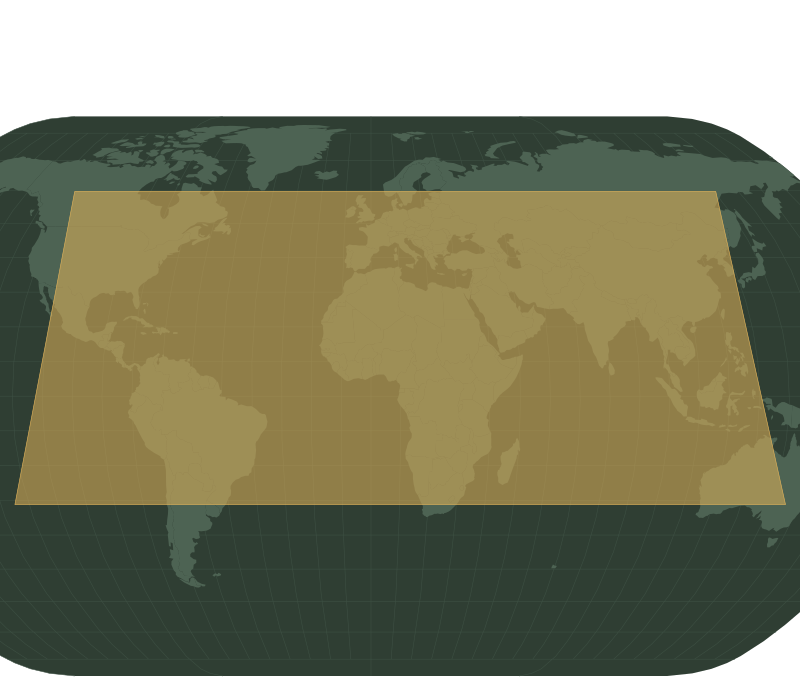
- Nightshades from all over the world
- Source
- Henbane, thorn apple, deadly nightshade, Duboisia
- Mechanism
- Muscarinic antagonist
- Onset and duration
- Several hours
- Who keeps its memory
- Medicine and historical ritual plants
The substance
A tropane alkaloid
It is isolated from nightshades, in a similar way to atropine and hyoscyamine, which structurally mimic acetylcholine.5
Tropane alkaloids are divided into three groups: hyoscine and scopolamine, cocaine and calystegines; scopolamine is the one with the largest legitimate market.4
It is found in plants such as henbane, thorn apple, deadly nightshade, mandrake and Duboisia.6
Descriptive profile: no doses and no preparation.
- Class
- Tropane alkaloid
- Sources
- Nightshades
- Medical use
- Motion sickness and nausea
- Receptors
- Muscarinic
Memory and history
From witches’ plants to the pharmacy
The name “scopolamine” derives from Scopolia and “hyoscine” from Hyoscyamus niger, black henbane.23
It was written about in 1881 and has been used in medicine since 1947; it is on the WHO Model List of Essential Medicines.7
Its mind-altering effects have been used for recreational and occult purposes.1
Genera such as Datura have been among the most famous and infamous in history because of their alkaloids.8
Over time
First writings on hyoscine
Enters medical use
Its names
Context and care
Origin and context
What helps
- Seeking information from reliable sources.
- Telling research, experience and regulated use apart.
- Respecting legal and clinical frameworks.
Chemistry and mechanism
Blocking acetylcholine
Its effect comes from competitive antagonism of peripheral and central muscarinic receptors (M1 to M4).1
At doses above medical ones, the hallucinogenic alteration of consciousness and the delirium are linked to the M1 receptor.1
It is a non-selective anticholinergic compound.7
The experience
What is described
At high doses it produces delirium, a confusional state that is not equivalent to the classic psychedelic experience.1
Research
What has been studied
It is used in medicine against motion sickness, nausea and spasm, and has been studied as an antidepressant.57
There is no established therapeutic psychedelic use.
Scope of these dataEstablished medical use; psychic effects described mainly in poisonings.
With care
What it helps to know beforehand
To follow
Books and related medicines
Sources
Where each piece of information comes from
- Wikipedia. Hyoscine. wikipedia.org/wiki/Hyoscine.
- Encyclopedia.pub. Hyoscine: History. encyclopedia.pub/entry/history/show/82561.
- Wikiwand. Hyoscine. wikiwand.com/en/Hyoscine.
- Kohnen-Johannsen, K. L. and Kayser, O. Tropane Alkaloids. Molecules, 2019. mdpi.com/1420-3049/24/4/796.
- PubChem. Hyoscine. pubchem.ncbi.nlm.nih.gov/compound/3000322.
- Tropane alkaloids, poisonous plants and anticholinergic action. PubMed Central. pmc.ncbi.nlm.nih.gov/articles/PMC9478010.
- Wikipedia (draft). Hyoscine. en.wikipedia.com/wiki/User:Ejohnston5/sandbox.
- Alkaloids of Datura. PubMed Central. pmc.ncbi.nlm.nih.gov/articles/PMC8124590.
- Map APDER, with data from Natural Earth · public domain
- Molecule drawings APDER
Last reviewed: 24 November 2026. If you spot a mistake, write to us at info@apder.org.