

Fungus · Hymenogastraceae · Meadows of Europe
Liberty cap
Psilocybe semilanceata (Fr.) P.Kumm.
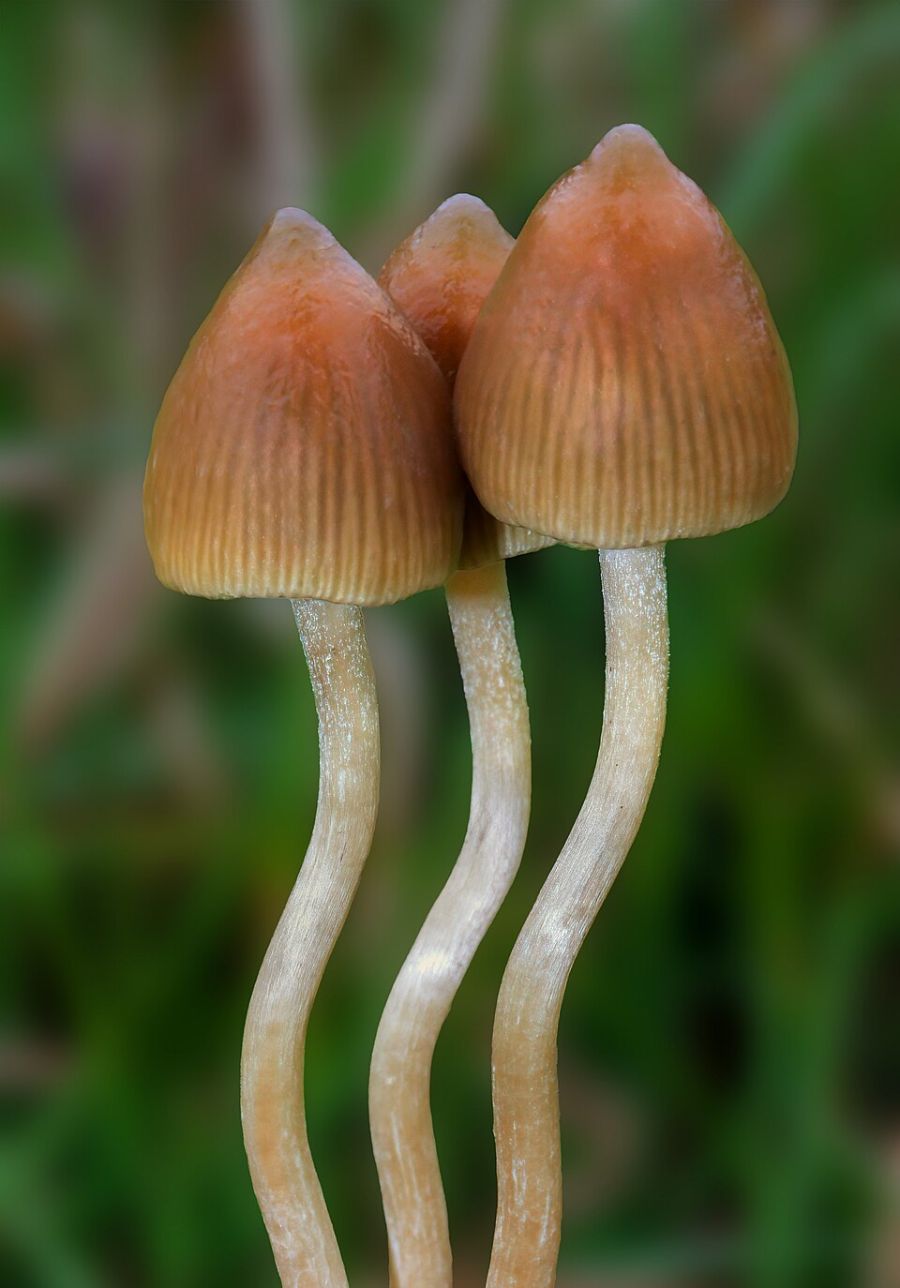
Small, with a pointed cap and a slender stalk, the mongui grows in damp meadows across Europe when autumn arrives. It is one of the most widespread psilocybin mushrooms and, according to the literature, one of the most potent.12
Also calledmongui · liberty cap · magic mushroom · Spitzkegeliger Kahlkopf · lysohlávka kopinatá
- What it is
- A tiny meadow mushroom with a pointed cap
- Territory
- Europe and also North America
- Part used
- The whole mushroom, fresh or dried
- Active principles
- Psilocybin, which the body converts into psilocin
- Onset and duration
- 20–60 min · 4–6 h, up to 8
- Who keeps its memory
- Peoples of Mesoamerica, with other species of the genus
Mycology
A tiny spear in the grass
It is a very small mushroom: the cap, conical or bell-shaped with a little point at the top, rarely exceeds two and a half centimetres across. The scientific name alludes to that shape: "half spear".12
It lives in pastures and meadows, especially in damp, unfertilised areas, and appears in autumn. It is found throughout Europe and also in North America.12
What you see is only the fruiting body of a saprotrophic fungus: it feeds on dead organic matter in the soil of the meadow.2
This is not an identification key. Isolated features are misleading, and among small brown mushrooms there are deadly species. If in doubt, eat none.
- Genus
- Psilocybe
- Size
- Cap up to 2.5 cm
- Habitat
- Pastures and damp meadows
- Season
- Autumn
Memory and tradition
From the meadows of London to the Mazatec vigils
In Europe there is almost no documented use of psilocybin mushrooms before modern times. The first medical record of the mongui dates from 1799: a man in London served his family mushrooms gathered in Green Park for breakfast.13
The deep tradition of these mushrooms lies in Mesoamerica, where other species of the genus Psilocybe were taken for centuries in divination and healing ceremonies, long before the Spanish chroniclers of the 16th century described them.3 Among the Mazatecs of Mexico, the healer María Sabina led vigils (veladas) with them.34
The West came to know them in 1957, when R. Gordon Wasson published his account in the magazine Life.4 The following year, Albert Hofmann isolated psilocybin and psilocin from another species, Psilocybe mexicana.34
Over time
The Spanish chroniclers describe the ceremonial use of mushrooms among the peoples of Mesoamerica.3
London: the first case of mongui poisoning recorded in the European medical literature.13
P. Kummer places it in the genus Psilocybe, under the name used today.1
R. Gordon Wasson takes part in a vigil led by María Sabina.4
Wasson publishes his account in Life.4
Hofmann isolates psilocybin and psilocin from Psilocybe mexicana.34
The mongui is confirmed as the first European species with psilocybin.1
Its names
- mongui
- Spanish
- liberty cap
- English, especially in the United States
- magic mushroom
- English, especially in the United Kingdom
- Spitzkegeliger Kahlkopf
- German
- spids nøgenhat
- Danish
- lysohlávka kopinatá
- Czech
The German, Danish and Czech names come from Wikispecies.13
Territory and care
Damp autumn meadows
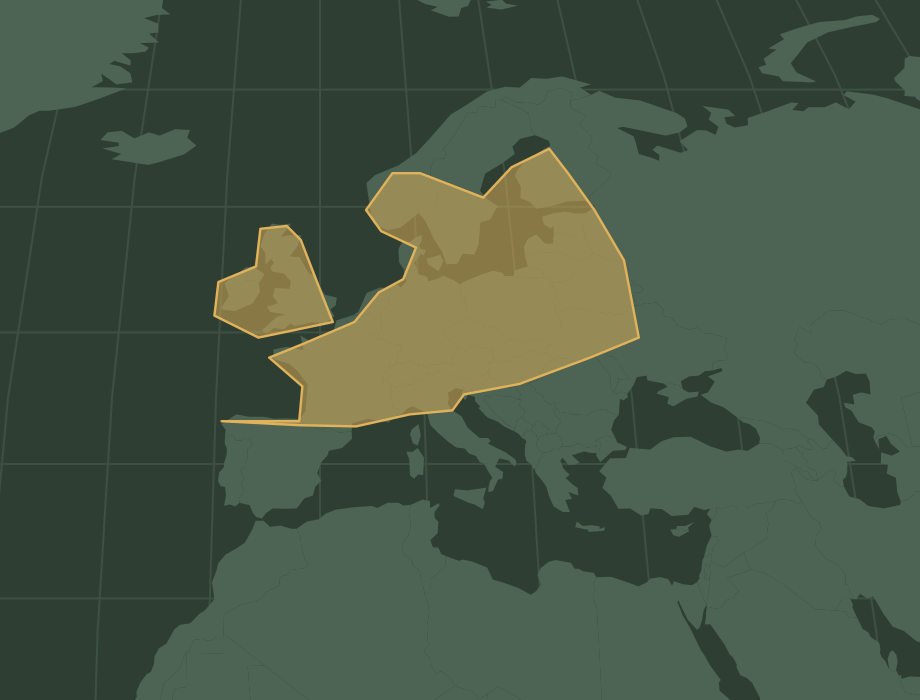
It is common in pastures in Great Britain and Ireland and appears throughout Europe and in North America. It prefers meadows and parks that have not been enriched with artificial fertilisers.2
There are no verified conservation data for this species, so the guideline is simple: respect the meadow and do not empty it.
What helps
- Gather without disturbing the soil or pulling up the mycelium.
- Leave most of the meadow's mushrooms to release their spores.
- Do not treat the mushroom as a product: it has a living history among the peoples who keep it.
What it contains
Psilocybin, a prodrug that becomes psilocin
Psilocybin on its own barely acts: the body removes a phosphate group from it and converts it into psilocin, which reaches the brain and activates the serotonin 5-HT2A receptor.56 When a drug blocks that receptor, the experience almost disappears.6
The mongui is among the most potent mushrooms of its genus, and the amount of psilocybin varies from one mushroom to another.1
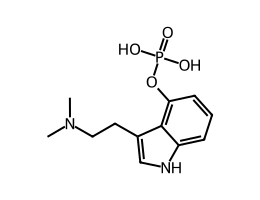 PsilocybinTryptamine · prodrug
The body transforms it into psilocin, which resembles serotonin and therefore fits its receptors.
The experience
A long afternoon
It begins to be noticed between 20 and 60 minutes and lasts four to six hours, somewhat longer with high doses. Perception, emotions and the sense of self change, and the peak arrives between the first and the third hour.5
No two experiences are alike: they depend on the person, on how they are feeling, and on the place and company. Nausea at the start, a rise in pulse and blood pressure, and tiredness afterwards are common.58
Indicative outline: it changes with the preparation, the amount and the person.
Research
What has been studied
Psilocybin is the most studied psychedelic in mental health. In a controlled phase 2 trial, a single high dose of synthetic psilocybin, with support, improved treatment-resistant depression more than a minimal dose at three weeks.10
In patients with advanced cancer, a study comparing a high dose with a very low dose found reductions in depression and anxiety that were maintained for six months.11
Scope of these dataThese trials used synthetic psilocybin in capsules, with an exact dose and professional support. They did not evaluate the mongui or wild mushrooms, whose psilocybin content is unknown.
With care
What it helps to know beforehand
A difficult or overwhelming experience and, in predisposed people, episodes of psychosis or mania.7
Lithium is the most dangerous combination: seizures and psychosis have been described.9
Mistaking them for toxic species. Among small brown mushrooms there are deadly species, such as Galerina marginata.12
Nausea at the start and a rise in pulse and blood pressure, sometimes marked with high doses.8
Look-alikes that matter
It is small and brown and contains the same toxins as the death cap. Some people have mistaken it for a psilocybin mushroom.12
To follow
Books and related medicines
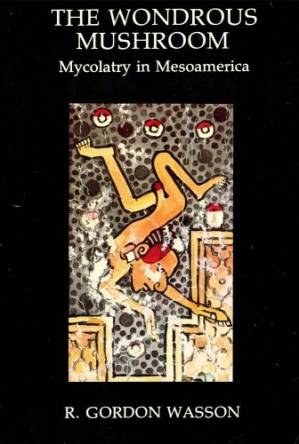 María Sabina and Her Mazatec Mushroom VeladaR. Gordon Wasson, George Cowan, Florence Cowan and Willard Rhodes · 1974In the APDER library →
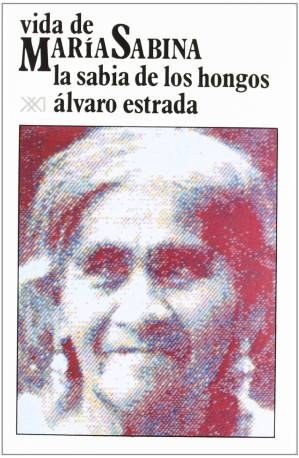 Los hongos alucinantesFernando Benítez · 1964In the APDER library →APDER libraryThe Genus PsilocybeThe Genus PsilocybeGastón Guzmán · 1983In the APDER library →
The most widely cultivated psilocybin species in the world.
MushroomBluing psilocybePsilocybe cyanescensA wood-chip mushroom, very potent.
MoleculePsilocybinPhosphate ester of 4-hydroxy-DMTThe active principle of these mushrooms.
FungusFly agaricAmanita muscariaThe red mushroom of fairy tales, without psilocybin.
Sources
Where each piece of information comes from
- GBIF. Psilocybe semilanceata (Fr.) P.Kumm., 1871. Species profile (data from Wikipedia). gbif.org.
- First Nature. Psilocybe semilanceata (Fr.) P.Kumm.: distribution, etymology, habitat. first-nature.com.
- Wikipedia. "Psilocybin mushroom". en.wikipedia.org (accessed 24 November 2026).
- Erowid. Psilocybin & Psilocin: timeline. erowid.org.
- PsychonautWiki. Psilocybin mushrooms (secondary source on harm reduction). psychonautwiki.org.
- Vollenweider FX, Vollenweider-Scherpenhuyzen MF, Bäbler A, Vogel H, Hell D. Psilocybin induces schizophrenia-like psychosis in humans via a serotonin-2 agonist action. NeuroReport. 1998;9(17):3897-3902.
- Johnson MW, Richards WA, Griffiths RR. Human hallucinogen research: guidelines for safety. J Psychopharmacol. 2008;22(6):603-620.
- Breeksema JJ, Kuin BW, Kamphuis J, et al. Adverse events in clinical treatments with serotonergic psychedelics and MDMA: a mixed-methods systematic review. J Psychopharmacol. 2022;36(10):1100-1117.
- Nayak SM, Gukasyan N, Barrett FS, Erowid E, Erowid F, Griffiths RR. Classic psychedelic coadministration with lithium, but not lamotrigine, is associated with seizures: an analysis of online psychedelic experience reports. Pharmacopsychiatry. 2021;54(5):240-245.
- Goodwin GM, Aaronson ST, Alvarez O, et al. Single-dose psilocybin for a treatment-resistant episode of major depression. N Engl J Med. 2022;387(18):1637-1648.
- Griffiths RR, Johnson MW, Carducci MA, et al. Psilocybin produces substantial and sustained decreases in depression and anxiety in patients with life-threatening cancer. J Psychopharmacol. 2016;30(12):1181-1197.
- Bay Area Mycological Society. Which mushrooms contain amatoxins? bayareamushrooms.org.
- Wikispecies. Psilocybe semilanceata: vernacular names. species.wikimedia.org.
- Mongui (Psilocybe semilanceata): pointed cap and thin stalk. Alan Rockefeller · CC BY-SA 3.0
- Map APDER, with data from Natural Earth · public domain
- Molecule drawings APDER
Last reviewed: 24 November 2026. If you spot a mistake, write to us at info@apder.org.