

Animal · Phyllomedusids · Western Amazon
Kambo
Phyllomedusa bicolor (Boddaert, 1772)
Kambó is the popular name for the skin secretion of an Amazonian tree frog, the giant monkey frog. Pano-speaking peoples, such as the Matsés, have used it for centuries in rituals of purification and healing. It is not a psychoactive substance: its effects are attributed to the richness of active peptides in the secretion.123
Also known askambó · kampô · kapum · sapo · vacina do sapo · giant monkey frog · giant leaf frog
- What it is
- Skin secretion of a tree frog
- Territory
- Western Amazon (Peru, Colombia, Brazil)
- Part used
- Dried skin secretion
- Active principles
- Bioactive peptides
- Onset and duration
- Reaction within a few minutes, according to the medical source
- Who keeps its memory
- Matsés, Marubo, Kaxinawá, Katukina, Yawanawá and other Pano peoples
Biology
The giant monkey frog
Phyllomedusa bicolor is known in English as the "bicolored treefrog", "giant monkey frog", "giant leaf frog" and "waxy-monkey treefrog", and as kambó or kampô in the South American countries.1
It was described in Suriname by Boddaert in 1772 as Rana bicolor, and is the type species of the genus Phyllomedusa.1
It is a tree frog with a wide distribution in South America, known for producing a skin secretion rich in bioactive peptides.1
Under the stress of handling, the frog expels the secretion as a defence against predators.4
- Class
- Amphibians
- Family
- Phyllomedusids
- Habitat
- Amazon, in trees
- Secretion
- Rich in peptides
Memory and tradition
The toad vaccine
Its secretion has been used for centuries among the native peoples of the western Amazon in shamanic rituals of healing and purification known as kambô, kapum or "vacina do sapo".1
Kambó is practised by Pano-speaking peoples of the south-eastern Amazon rainforest, such as the Matsés, Marubo, Amahuaca, Kashinawa, Katukina, Yawanawá and Kaxinawá.3 There are ethnographic studies of its use in the traditional Noke Kuin medicine, in the Brazilian state of Acre.3
It is a purification ceremony first described by Daly and colleagues; it is used both by Indigenous tribes such as the Matsés or Mayoruna and by urban people.2
Traditional use is concentrated in regions of the Peruvian, Colombian and Brazilian Amazon.5
Over time
Boddaert describes the species
Its names
- kambó, kampô
- Portuguese and languages of the region
- kapum
- Kaxinawá language
- sapo, vacina do sapo
- Spanish and Portuguese
Kambó names the frog, the secretion and the ritual alike.
Territory and care
Forest and societies
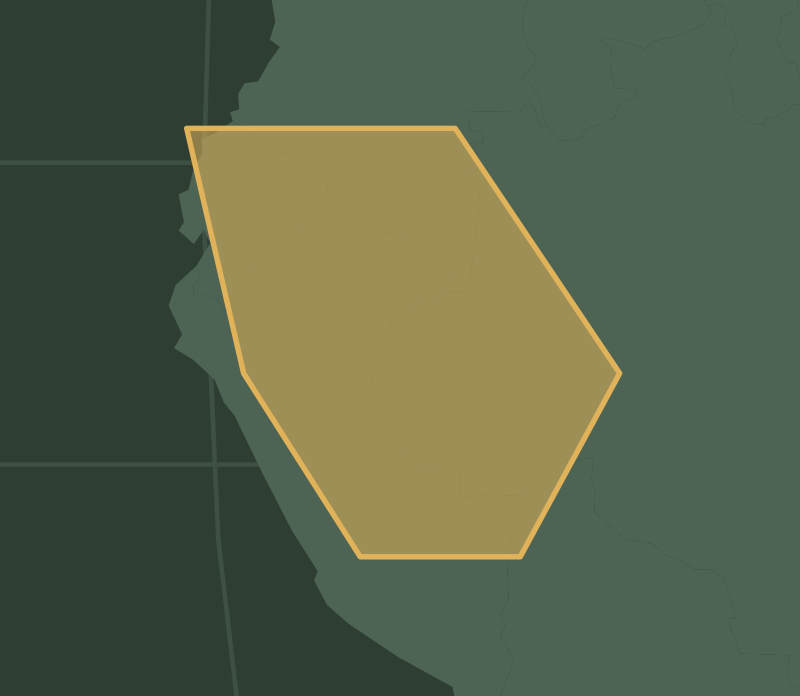
It is distributed across the Amazon and neighbouring countries.1
The secretion, stimulated by the stress of handling, is collected on a bamboo stick and left to dry for storage.5
Use outside its Indigenous context has grown, and ICEERS reminds us that it matters to "do no harm" to the cultures of origin.4
What helps
- Know its origin among Amazonian peoples.
- Do not buy secretion of uncertain origin.
- Respect the peoples who safeguard it.
What it contains
Active peptides
The secretion contains a very high number of bioactive peptides, short chains of amino acids that bind to human cell receptors and provoke a reaction in the body.6
A scientific letter attributes all the peripheral effects and most of the central ones to the exceptionally high content of active peptides, which are well absorbed through damaged skin.2
ICEERS states that the peptides do not produce psychoactive effects.4
The experience
Physical effects
A medical description notes that within a few minutes palpitations and sweating appear.7
According to ICEERS, once the effects have passed, a feeling of greater strength, sensory awareness and mental clarity is said to remain.4
Cases of toxicity have been described, among them a case of hepatitis and a forensic report of a sudden death after applying kambó.5
Research
What has been studied
There are recent transdisciplinary reviews of its biology, toxinology, ethnopharmacology and medical aspects.1
The evidence for therapeutic benefits is limited.
Scope of these dataPharmacological reviews; scant clinical evidence.
With care
What it helps to know beforehand
To follow
Books and related medicines
Sources
Where each piece of information comes from
- Nogueira, T. A. C. et al. (2022). The Amazonian kambô frog Phyllomedusa bicolor. Frontiers in Pharmacology. pmc.ncbi.nlm.nih.gov/articles/PMC9582840.
- den Brave, P. S., Bruins, E. and Bronkhorst, M. W. G. A. (2014). Phyllomedusa bicolor skin secretion and the Kambô ritual. Journal of Venomous Animals and Toxins 20: 40. pmc.ncbi.nlm.nih.gov/articles/PMC4582952.
- Wikipedia. Kambo (drug). wikipedia.org/wiki/Kambo_(drug).
- ICEERS. Kambô: A Traditional Remedy. iceers.org/kambo-a-traditional-remedy/.
- ICEERS. Kambô: Basic Info. iceers.org/kambo-basic-info/.
- ICEERS. Basic info (peptides). iceers.org/?p=5563.
- den Brave et al. Letter in JVAT (full text). jvat.biomedcentral.com/track/pdf/10.1186/1678-9199-20-40.
- Map APDER, with data from Natural Earth · public domain
- Molecule drawings APDER
Last reviewed: 24 November 2026. If you spot a mistake, write to us at info@apder.org.