

Molecule · Psychoactive
LSA
lysergic acid amide (ergine)
LSA, or ergine, is an ergoline alkaloid found in the seeds of convolvulaceous plants such as ololiuqui (Rivea corymbosa), Ipomoea tricolor and Argyreia nervosa, and in ergot fungi. Hofmann isolated it in 1959. The activity of those seeds is attributed to it, although its pure psychedelic effect is disputed.145
Also known asLSA · ergine · d-lysergic acid amide · LA-111
- What it is
- Natural ergoline alkaloid
- Territory
- Mexico, Hawaii and other regions
- Source
- Seeds of Rivea, Ipomoea and Argyreia
- Mechanism
- Interaction with serotonin receptors
- Onset and duration
- Not applicable
- Who keeps its memory
- Mesoamerican peoples: Aztecs, Zapotecs and Mazatecs
The substance
The dominant alkaloid of the seeds
It is the dominant alkaloid in the hallucinogenic seeds of Rivea corymbosa (ololiuhqui), Argyreia nervosa and Ipomoea tricolor (tlitliltzin).1
It is an alkaloid of the ergoline family found in clavicipitaceous fungi and in convolvulaceous plants.36
It has been found in a grass, Stipa robusta, infected with an endophytic fungus.1
Ergine extracts are described as soluble in cold water, so it has been proposed that they could be separated from the toxic alkaloids of ergot.7
Descriptive entry: no extraction or doses.
- Class
- Ergoline
- Sources
- Convolvulaceae
- Relative
- LSD
- Isolation
- 1959
Memory and history
Ololiuqui and science
After the Spanish colonisation of Mexico (1521), chroniclers recounted Aztec and other peoples' rituals with ololiuqui seeds because of their intoxicating effects.7
Richard Schultes described in 1941 their traditional use among Mexican peoples, with roots in Aztec times.2
The Zapotecs used the seeds of Ipomoea (bandungas), sometimes together with those of Rivea, according to MacDougall in 1960.43
Hofmann tried ergine in 1947, before knowing it was natural, and in 1959 he isolated pure ergine from the seeds of Turbina corymbosa.4
In 1961 Hofmann published the active principles of ololiuqui: amides of d-lysergic and d-isolysergic acid, as well as clavines.8
In 1956 the CIA studied the ergine of Rivea corymbosa as a subproject of MKULTRA.4
Over time
Ergine is described in ergot
Hofmann tries it
Hofmann isolates ergine from the seeds
Publication on the active principles of ololiuqui
Its names
Context and care
Origin and context
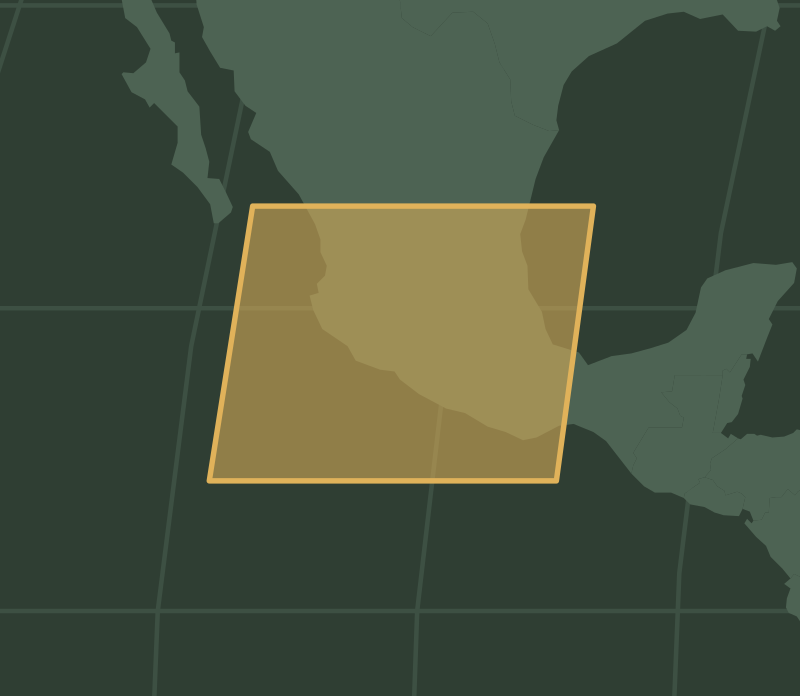
After the Spanish colonisation of Mexico (1521), chroniclers recounted Aztec and other peoples' rituals with ololiuqui seeds because of their intoxicating effects.7
What helps
- Seeking information from reliable sources.
- Telling research, experience and regulated use apart.
- Respecting legal and clinical frameworks.
Chemistry and mechanism
An ergoline without the strength of LSD
It is commonly said that ergine or its epimer, isoergine, explain the psychedelic activity of the seeds.1
In fact, the effects of synthetic LSA and iso-LSA are not particularly psychedelic, according to the summarised human trials.1
Intramuscular administration of a small dose produced a tired, dreamlike state with an inability to keep thoughts clear.2
Isoergine and ergometrine also contribute to the effects of the seeds.3
The experience
What is described
Accounts describe a drowsy, dreamlike state, with difficulty keeping thoughts clear.2
Research
What has been studied
There are no relevant modern clinical trials.
The chemical characterisation comes mostly from Hofmann's work.8
Scope of these dataHistorical phytochemistry; no clinical trials.
With care
What it helps to know beforehand
To follow
Books and related medicines
Sources
Where each piece of information comes from
- Wikidoc. Lysergic acid amide. wikidoc.org/index.php/Lysergic_acid_amide.
- Wikidoc. Ergine. wikidoc.org/index.php/Ergine.
- Wikiwand. Ergine. wikiwand.com/en/articles/Ergine.
- Wikipedia. Ergine. wikipedia.org/wiki/Ergine.
- ICEERS. Basic Info (LSA). iceers.org/?p=5549.
- ChemEurope. Ergine. chemeurope.com/en/encyclopedia/Ergine.html.
- ICEERS. Ipomoea violacea: Basic Info. iceers.org/ipomoea-violacea-basic-info/.
- Hofmann, A. Die Wirkstoffe der mexikanischen Zauberdroge «Ololiuqui». Planta Medica, 1961. thieme-connect.com/products/ejournals/pdf/10.1055/s-0028-1100366.pdf.
- Map APDER, with data from Natural Earth · public domain
- Molecule drawings APDER
Last reviewed: 24 November 2026. If you spot a mistake, write to us at info@apder.org.