

Preparation · Tobacco · Western Amazon
Rapé
Nicotiana rustica with tree ash
A fine tobacco powder, made with the ash of specific trees and sometimes other plants, which is blown into the nostrils. Amazonian peoples such as the Yawanawá, Huni Kuin and Katukina have used it for centuries. According to those communities, its use is tied to physical healing, spiritual connection and energetic cleansing.12
Also known asrapé · hapé · rapeh · rume reshke (Huni Kuin) · rume poto (Yawanawá) · Amazonian snuff
- What it is
- Tobacco and ash powder blown into the nose
- Territory
- Colombian, Peruvian and Brazilian Amazon
- Part used
- Leaf of rustic tobacco and bark ash
- Active principles
- Nicotine and other compounds from the plant
- Onset and duration
- No reliable data in the sources consulted
- Who keeps its memory
- Yawanawá, Huni Kuin, Katukina, Nukini, Kuntanawa, Matsés
Ingredients
Tobacco and ash
Rapé is a diverse family of smokeless tobacco products originating in South America; it is used as a nasal snuff and contains a substantial amount of plant material, with or without tobacco.3
The presence of Nicotiana rustica, a tobacco species rich in nicotine, has been confirmed in rapés containing tobacco.3
Non-commercial preparation is similar across peoples and uses Nicotiana rustica.3 Depending on the community, each mixes the ash of particular trees and other plants, with variations.1
Yawanawá rapé is often made only with tobacco and tsunô, a tree that some identify as ‘pau-pereira’ (Platycyamus regnellii).4
Descriptive profile; it includes no instructions for preparation or use.
- Base
- Nicotiana rustica
- Ash
- From particular trees
- Application
- With a tepi or kuripe
- Texture
- Very fine powder
Memory and tradition
The breath of life
Indigenous peoples of the Amazon have used it for generations in healing ceremonies, to calm the mind, cleanse the spirit and strengthen spiritual focus.2
Many of the same communities that use ayahuasca use hapé for physical healing, spiritual connection and energetic cleansing.5
Among the Huni Kuin it is called ‘rume reshke’ and among the Yawanawá ‘rume poto’.5
It is applied to oneself with a V-shaped instrument called a kuripe, or blown by another person with a tepi, a long pipe.21
Popular sources link it above all to the Yawanawá, Huni Kuin, Katukina, Nukini, Kuntanawa and Matsés.12
One scientific paper describes it as the most widespread form of tobacco use among South American Indigenous peoples, and places it within traditions of use much broader than tobacco.3
Over time
Its names
- rapé, hapé
- Portuguese and Spanish
- rume reshke
- Huni Kuin
- rume poto
- Yawanawá
- tepi, kuripe
- the application instruments
‘Rapé’ is used in Europe for industrially ground, flavoured tobaccos, which are not the same as Amazonian hapé.
Territory and care
Western Amazon
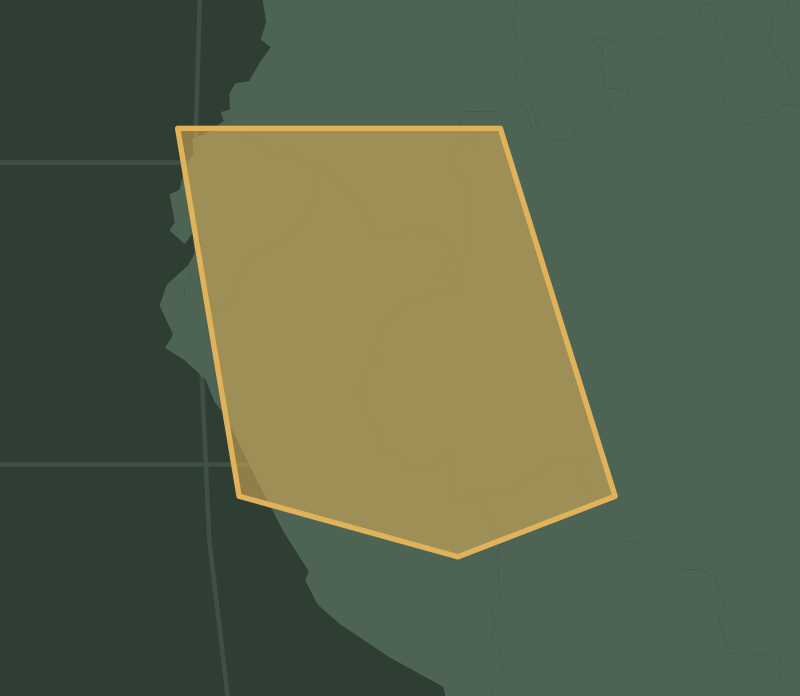
The Chacruna text places it in the far west of the Brazilian Amazon, near the border with Peru.4
What helps
- Prefer Indigenous and traceable provenance.
- Respect the lineages that safeguard it.
- Support the peoples, not appropriation.
What it contains
Tobacco, ash and other plants
An analysis of commercial rapés found nicotine and the minor tobacco alkaloids, and confirmed the presence of Nicotiana rustica.3
The same paper notes that milligram quantities of non-tobacco constituents, such as camphor, coumarin and eugenol, merit further evaluation.3
From a Western perspective, smokeless tobacco contains carcinogens, and heart and dental risks and complications in pregnancy are cited.12
Main alkaloid of tobacco; N. rustica is a high-content species.[3]
The experience
A blast of air
There are no reliable data on onset or duration from studies.
Research
What has been studied
There are chemical analyses of rapés, including nicotine, tobacco-specific nitrosamines and flavourings.3
There are anthropological theses on the Yawanawá tradition.6
Scope of this evidenceProduct analysis and anthropology; no clinical trials.
With care
What it helps to know beforehand
According to one source, those who apply it without a lineage, or with training only from social media, pose a greater risk.1
It is the living knowledge of specific peoples; spreading it raises ethical questions.2
To follow
Books and related medicines
Sources
Where each piece of information comes from
- Healing Maps. Hape (Rapé): Traditional Amazonian Shamanic Snuff. healingmaps.com/hape-tobacco-shamanic-snuff/.
- Tripsitter. Sacred Snuff: The Ancient Wisdom of Amazonian Hapé. tripsitter.substack.com/p/sacred-snuff-hape.
- PubMed Central. Analysis of rapés (nicotine, nitrosamines, flavourings). pmc.ncbi.nlm.nih.gov/articles/PMC5704902.
- Chacruna. Kambô, Rapé and Sananga: A Reset on Body, Mind and Vision. chacruna.net/?p=14033.
- Healing Maps. Here's Why Hapé Tobacco is Shunned by Westerners. healingmaps.com/?p=35803.
- Santos, H. Thesis on the Yawanawá tradition (UFAM). tede.ufam.edu.br/bitstream/tede/10765/9/DISS_HelioSantos_PPGAS.pdf.
- Map APDER, with data from Natural Earth · public domain
- Molecule drawings APDER
Last reviewed: 24 November 2026. If you spot a mistake, write to us at info@apder.org.