

Plant · Apocynaceae · Amazonia
Sananga
Tabernaemontana undulata and T. sananho
A preparation of drops that Amazonian peoples such as the Matsés, Matis, Ticuna and Kaxinawá apply to the eyes, made from the root and bark of shrubs of the genus Tabernaemontana. It is used for hunting, before ayahuasca ceremonies and for eye complaints.12
Also calledsananga · becchete · bëcchëte · Tabernaemontana undulata · Tabernaemontana sananho
- What it is
- Eye drops of traditional Amazonian use
- Territory
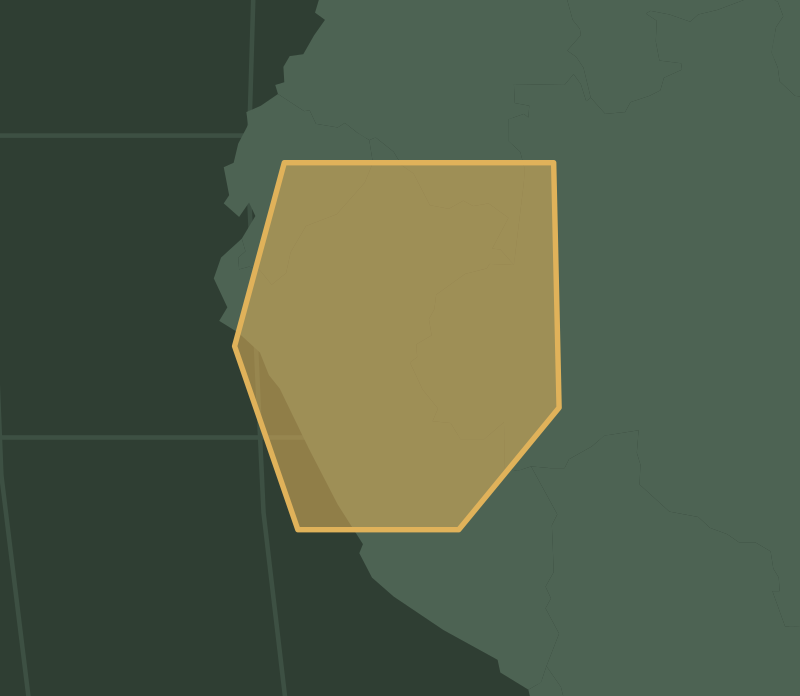
- Upper Amazonia of Brazil, Peru and neighbouring countries
- Part used
- Root and bark
- Active principles
- Iboga-type alkaloids, not confirmed in all sources
- Onset and duration
- No reliable data in the sources consulted
- Who keeps its memory
- Matsés, Matis, Ticuna, Kaxinawá and Yawanawá
Botany
Latex-bearing shrubs
Tabernaemontana undulata, called becchete or bëcchëte, is a latex-bearing species of the Apocynaceae family that lives in the Amazon rainforest.13 The name is a Matis and Matsés word for a medicinal plant.3
Sananga is usually made from T. undulata and T. sananho.4
The Ticuna mix with water the latex of a very close species, T. sananho, to treat eye injuries.3
- Family
- Apocynaceae
- Species
- T. undulata and T. sananho
- Feature
- Latex
- Part used
- Root and bark
Memory and tradition
To see better and to hunt
It is used by peoples such as the Ticuna, Kaxinawá and Matsés before ayahuasca ceremonies, to improve eyesight and to treat certain eye complaints.4
When applied to the eye, the peoples who use it say that it gives the surroundings more texture and dimension, and that it makes it easier to locate animals when hunting.3
As well as applying it to the eyes, as the Matis and Ticuna do, the Matsés take it mainly orally.1
Scott Wallace, of National Geographic, was the first to report this use among the Matis.2
Modern literature presents it as a remedy for eyesight, but there is still little research on it.5
Over time
Its names
- sananga
- the most widespread name
- becchete, bëcchëte
- Matis and Matsés
Territory and care
Upper Amazonia
What helps
- Learn about it as the medicine of specific peoples.
- Prefer sources that respect the communities.
- Do not treat it as a wellness product.
What it contains
Iboga-type alkaloids
Tabernaemontana undulata is said to contain iboga-type alkaloids.1
A legal source places them in the same "family" as those of ibogaine, although it is not known to induce altered states like the psychedelics.4
Other commercial sources dispute whether ibogaine is present and point out that some species of the subgenus would have only analgesic or sedative effects.6 This needs confirmation from primary sources.
Cited in T. undulata; no reliable figures in the sources consulted.[1]
The experience
An intense burning and heightened attention
A burning sensation in the eye is described.4
The peoples who use it speak of greater attention, concentration and perception when hunting.37
There are no reliable data on onset or duration.
Research
What has been studied
Research on sananga is scarce compared with that on other medicinal plants, although there are studies on anti-inflammatory and antimicrobial properties of species of Tabernaemontana.5
There are few scientific data on its safety and efficacy.4
Scope of these dataDocumented traditional use; minimal research.
With care
What it helps to know beforehand
To follow
Books and related medicines
Sources
Where each piece of information comes from
- Wikipedia. Tabernaemontana undulata. en.wikipedia.org/wiki/Tabernaemontana_undulata.
- Wikipedia. Bëcchëte (Tabernaemontana undulata). en.wikipedia.com/wiki/B%C3%ABcch%C3%ABte.
- Earthpedia. Becchete (Tabernaemontana). earthpedia.earth.com/plant-encyclopedia/angiosperms/apocynaceae/tabernaemontana-attenuata.
- Psychedelic Law. Sananga. psychedeliclaw.ca/sananga.
- Psychedelic Times. Scientific studies hint at how sananga eye drops treat ocular diseases. psychedelictimes.com/?p=3248.
- The White Arrow. About sananga. thewhitearrow.squarespace.com/about-sananga.
- Sananga (popular science document). billetweb.fr/files/page/upload/453571/EN_SANANGA.pdf.
- Map APDER, with data from Natural Earth · public domain
- Molecule drawings APDER
Last reviewed: 24 November 2026. If you spot a mistake, write to us at info@apder.org.