

Molecule · Psychoactive
Ketamine
(RS)-2-(2-chlorophenyl)-2-(methylamino)cyclohexanone
Ketamine is a dissociative anaesthetic synthesised in 1962 that blocks glutamate NMDA receptors. Approved as an anaesthetic in 1970, it has been studied since 2000 as a fast-acting antidepressant; its isomer esketamine has been approved since 2019 for treatment-resistant depression.126
Also known asketamine · esketamine (S isomer) · arketamine (R isomer) · Spravato (trade name of esketamine)
- What it is
- Synthetic dissociative anaesthetic
- Territory
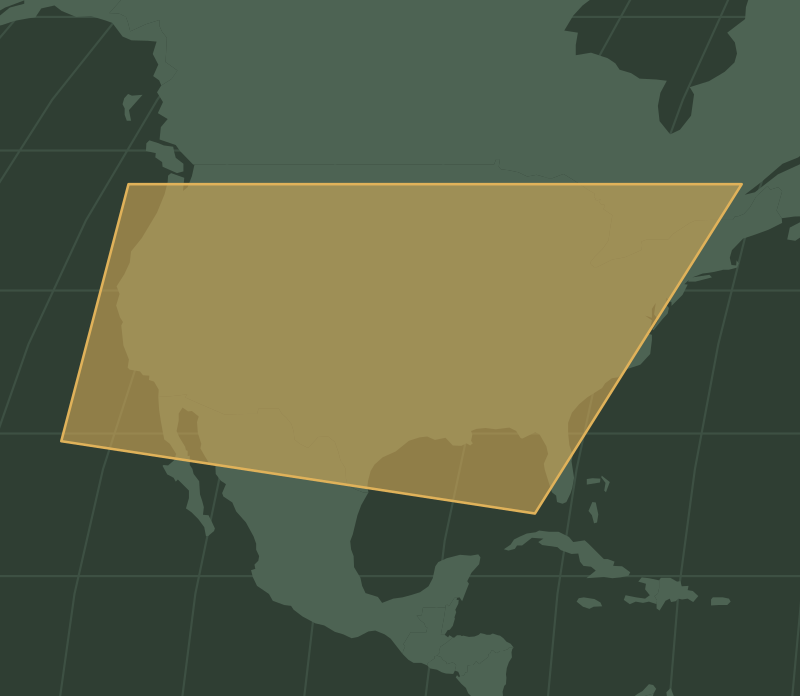
- Laboratory origin, United States
- Source
- Pharmaceutical synthesis
- Mechanism
- Non-competitive NMDA receptor antagonist
- Onset and duration
- Brief acute effect
- Who keeps its memory
- Medicine and psychiatry
The substance
A derivative of phencyclidine
It was synthesised in 1962 by the chemist Calvin Stevens at Parke-Davis, as a derivative of phencyclidine (PCP), with the aim of finding an alternative anaesthetic.67
Ketamine is a racemic mixture: half esketamine (S) and half arketamine (R); esketamine binds about four times more strongly to the NMDA receptor.4
Descriptive profile: no doses or protocols.
- Class
- Dissociative anaesthetic
- Year
- 1962
- Isomers
- Esketamine and arketamine
- Receptor
- NMDA
Memory and history
From anaesthetic to antidepressant
It was tested in humans in 1964 and the FDA approved it as an anaesthetic in 1970.21
Its dissociative properties, which gave strange, out-of-body experiences, were regarded as side effects until it was repositioned.1
In 2000, the psychiatrist John Krystal, of Yale, discovered that ketamine rapidly relieves the symptoms of major depression.6
On 5 March 2019, the FDA approved intranasal esketamine (Spravato) as an adjunctive therapy in treatment-resistant depression.37
Originally an anaesthetic and a "psychotomimetic" probe, it was repositioned as a fast-acting antidepressant.5
Over time
Synthesis by Stevens
Approval as an anaesthetic
Krystal describes the rapid antidepressant effect
Approval of esketamine
Its names
Context and care
Origin and context
What helps
- Seeking information from reliable sources.
- Telling research, experience and regulated use apart.
- Respecting legal and clinical frameworks.
Chemistry and mechanism
Glutamate and NMDA
It is a non-competitive antagonist of the NMDA receptors of glutamate.5
Unlike monoaminergic antidepressants, which take weeks, it seems to act by boosting glutamatergic transmission.73
It is distinguished from the classic psychedelics by its mechanism, although it is often grouped within psychedelic psychiatry.
The experience
What is described
In the first trials it produced dissociative, "detached" experiences, which shaped how it was used.1
Research
What has been studied
The literature suggests possible usefulness in bipolar depression, PTSD, OCD, anxiety and suicidal ideation, with pilot studies.7
The NIMH links decades of research to the 2019 approval.1
Scope of these dataEstablished medical use as an anaesthetic; esketamine approved for treatment-resistant depression; other uses under research.
With care
What it helps to know beforehand
It is used in a clinical setting; non-psychedelic ketamine requires medical supervision.
There are challenges in safety, equity of access, regulation and commercial pressure.5
Racemic intravenous ketamine is widely used off-label in practice.5
To follow
Books and related medicines
Sources
Where each piece of information comes from
- NIMH. Cracking the Ketamine Code. nimh.nih.gov/news/science-updates/2023/cracking-the-ketamine-code.
- Psychiatric Times. Depression's Journey From Monoamines to Glutamate, 2019. psychiatrictimes.com/esketamine-depressions-journey-monoamines-glutamate.
- Psychiatric Times. Esketamine, FDA approval. psychiatrictimes.com/view/esketamine-depressions-journey-monoamines-glutamate.
- Psychiatric Times. Ketamine isomers. psychiatrictimes.com/depression/esketamine-depressions-journey-monoamines-glutamate.
- Cabrera Abreu, C. et al. From model psychosis to rapid antidepressant. PubMed Central. pmc.ncbi.nlm.nih.gov/articles/PMC12698990.
- Yale School of Medicine. Ketamine: How Yale Redefined Depression Treatment. medicine.yale.edu/news-article/ketamine-how-yale-redefined-depression-treatment/.
- The Carlat Report. Esketamine Gets FDA Approval. thecarlatreport.com/articles/2962-esketamine-gets-fda-approval.
- Map APDER, with data from Natural Earth · public domain
- Molecule drawings APDER
Last reviewed: 24 November 2026. If you spot a mistake, write to us at info@apder.org.