

Plant · Mint family · Sierra Mazateca (Oaxaca)
Diviner's sage
Salvia divinorum Epling & Játiva
In the Sierra Mazateca of Oaxaca grows a mint that healers call ska Pastora and associate with the Virgin Mary. It is used for healing and for divination, and its active principle acts not on serotonin but on an opioid receptor.48
Also known asska Pastora · ska María · diviner's sage · leaf of divination
- What it is
- Perennial mint of the cloud forest, with a very small range
- Territory
- Sierra Mazateca, in Oaxaca (Mexico)
- Part used
- The leaves, fresh or dried
- Active principle
- Salvinorin A
- Onset and duration
- Seconds when smoked · 5–15 min of intense effect
- Who keeps its memory
- The Mazatec people
Botany
A mint with a square stem
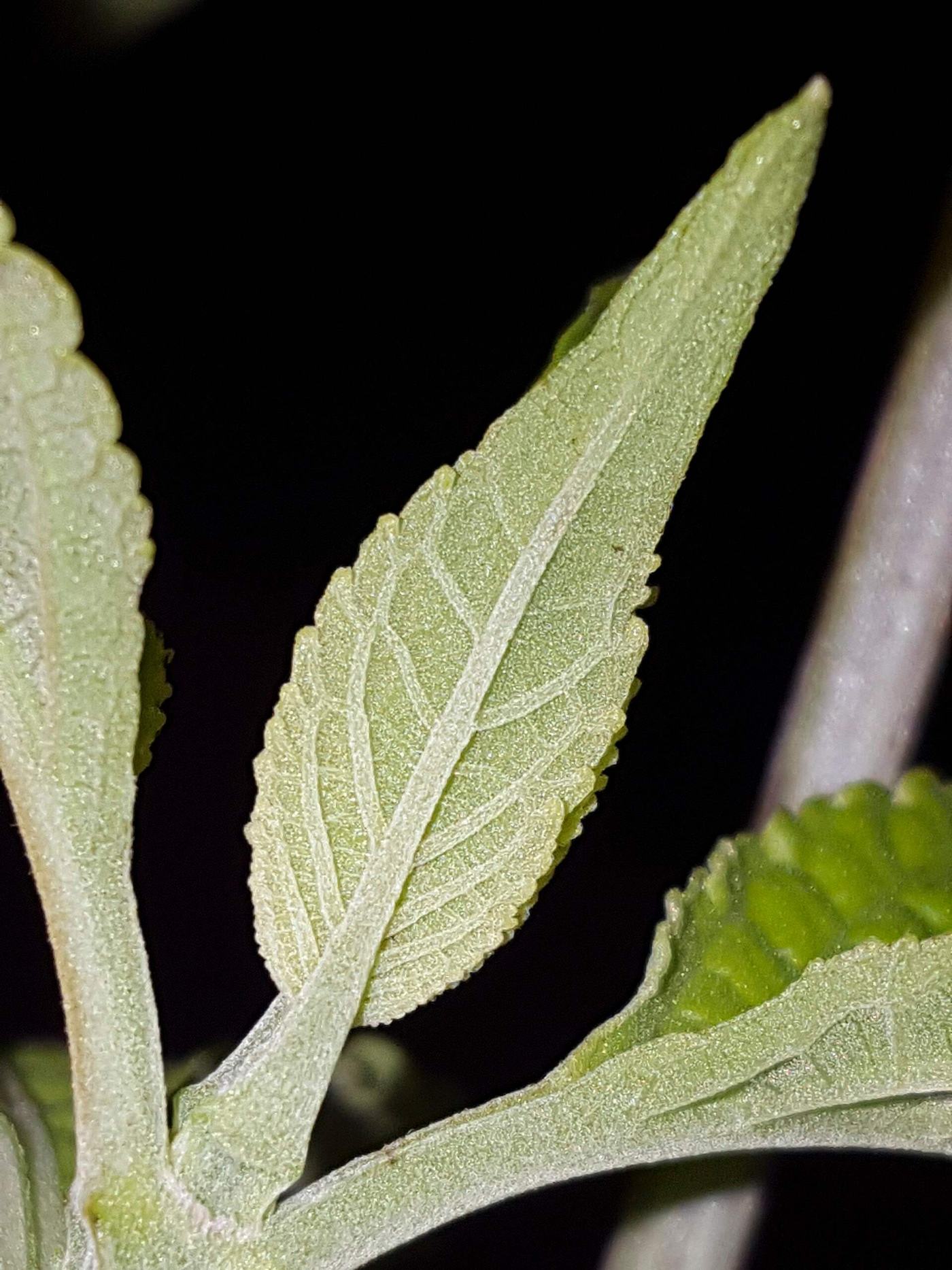
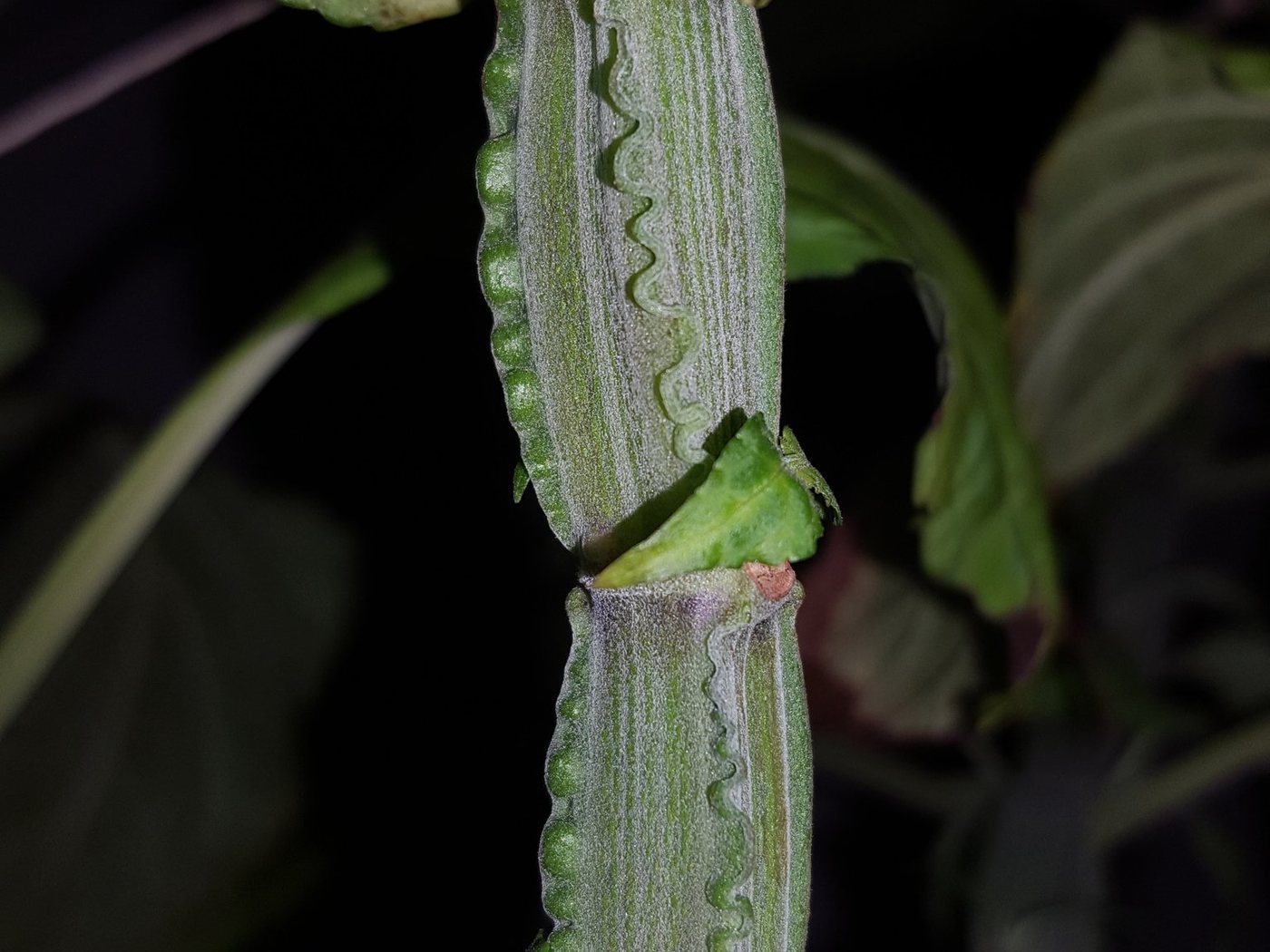
It is a perennial herb that can grow taller than a metre. Its clearest feature is the four-sided stem, sometimes almost square and up to two centimetres thick, from which opposite leaves grow.2
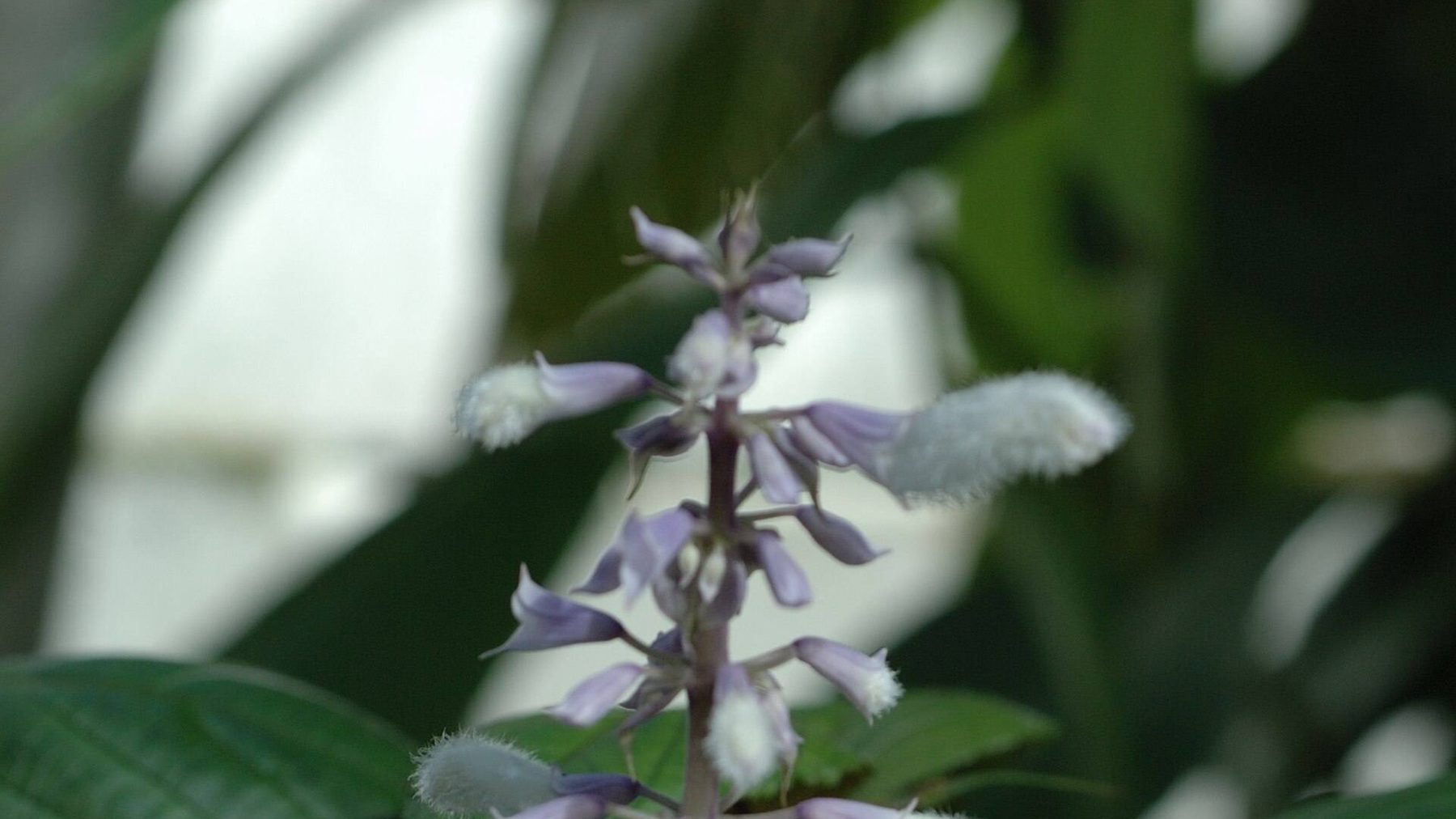
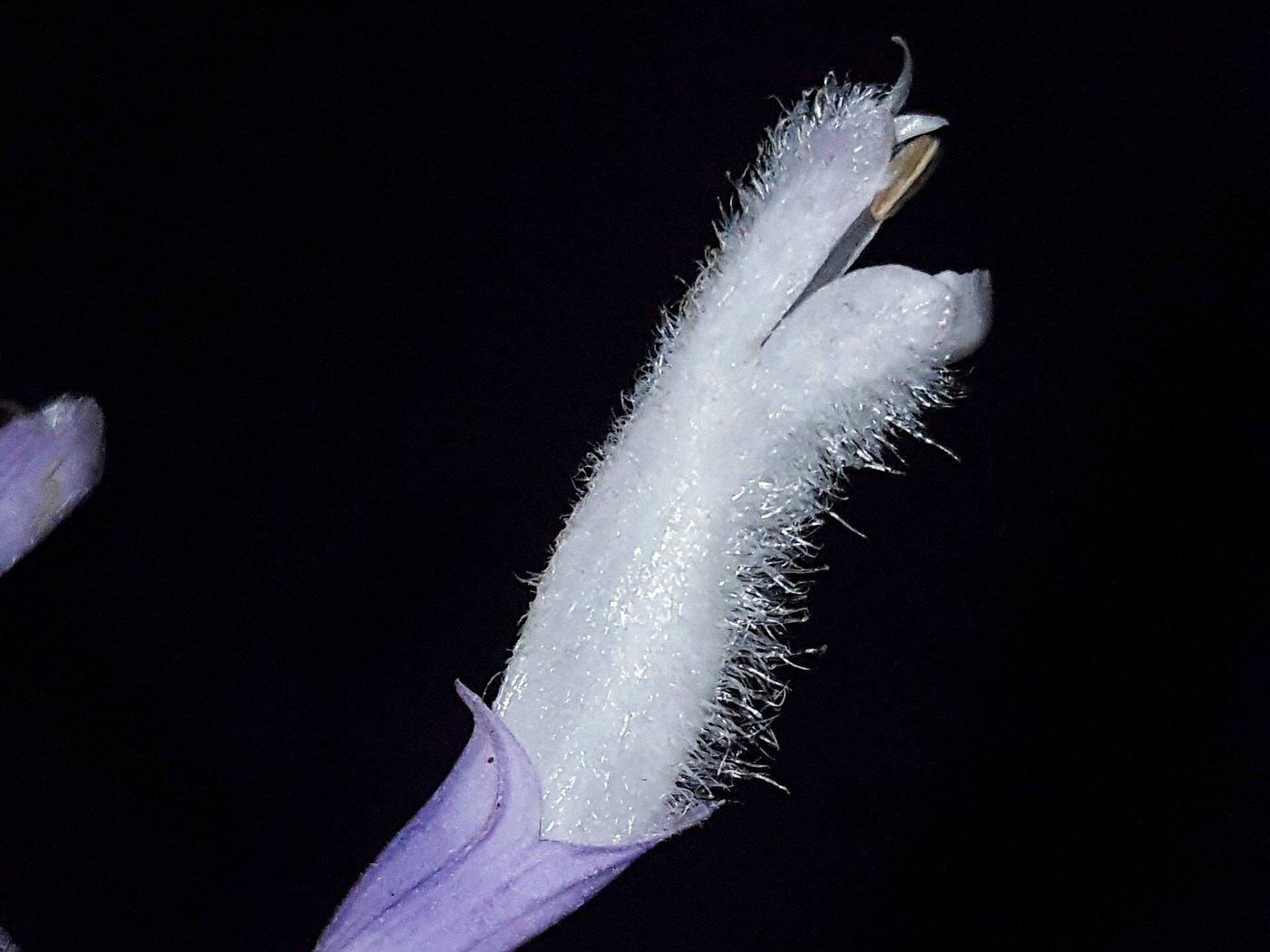
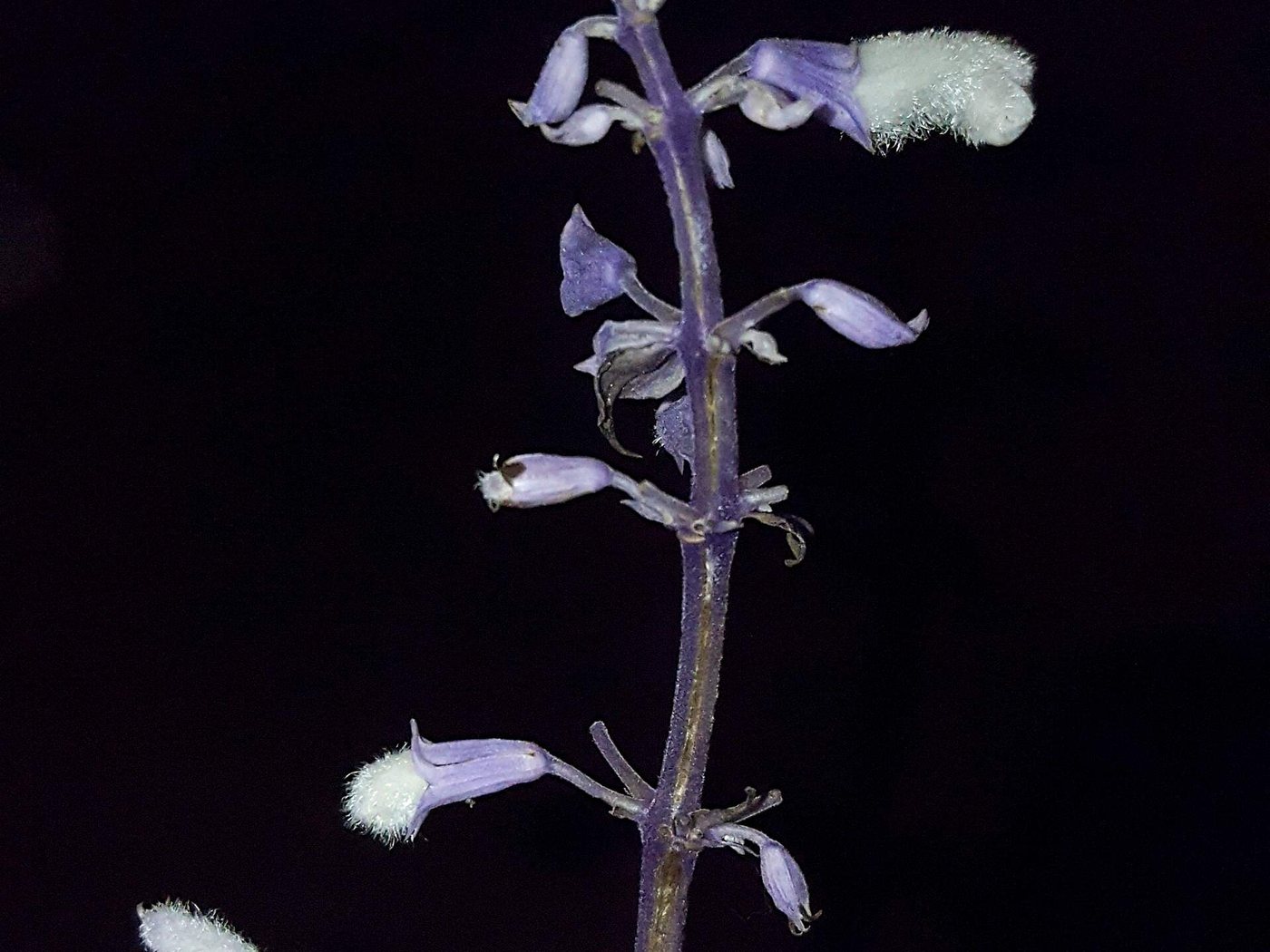
The leaves are green, lance-shaped, covered in fine hairs and more than twenty centimetres long. The flowers grow in spikes: white petals inside a bluish or violet calyx. In Mexico it flowers mainly in January.2
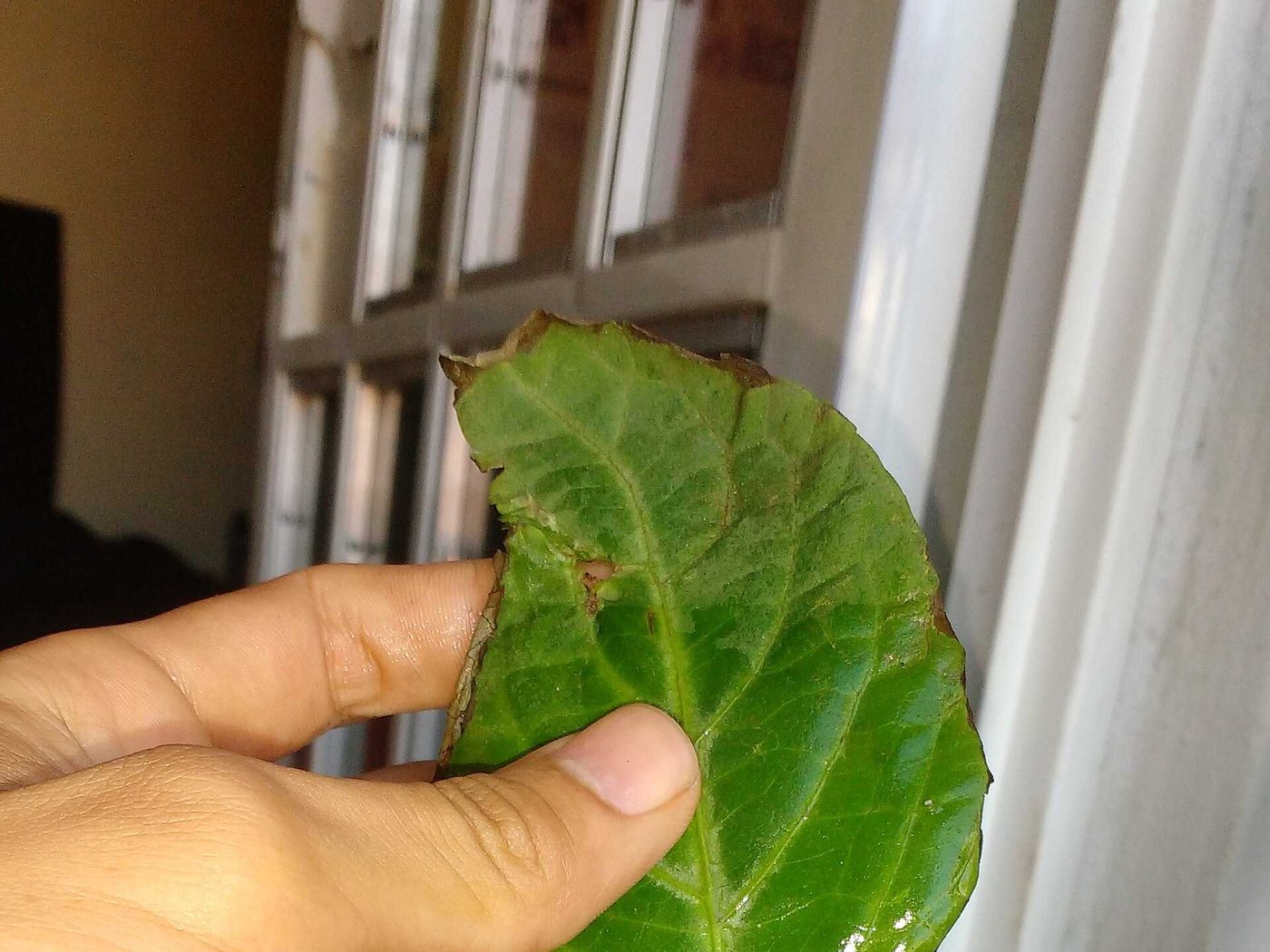
In cultivation it almost never bears fruit and, when it does produce seeds, they rarely germinate: it is propagated by cuttings. For this reason almost all the plants in the world are clones of a few collections made in Oaxaca.3
- Family
- Lamiaceae (the mints)
- Habit
- Perennial herb, over 1 m
- Stem
- Four-sided, almost square
- Flower
- White, with a violet calyx
Memory and tradition
The Virgin's leaf
The Mazatec people have used it for generations for healing and divination, chewing the fresh leaves or drinking their juice. They associate it with the Virgin Mary, hence its names ska Pastora and ska María.8
To the outside world it is a recent plant. In 1962, R. Gordon Wasson made its divinatory use known and, in the same year, the botanists Carl Epling and Carlos Játiva described it as a species.2910
Some propose that the Mexica already knew it under the name pipiltzintzintli, but this is a hypothesis.2
Over time
Wasson makes its divinatory use known; Epling and Játiva describe it as a new species.29
Albert Hofmann does not find the active principle in his first analysis of the juice.2
Salvinorin A is identified, almost simultaneously, in two laboratories.3
It is shown that salvinorin A is responsible for the effect and that the digestive system inactivates it.5
It is discovered that it acts on the kappa opioid receptor.4
Trial at Johns Hopkins University with inhaled salvinorin A in healthy people.6
A Barcelona team describes how it blocks external perception and changes the perception of one's own body.7
Its names
- ska Pastora
- Mazatec
- ska María
- Mazatec
- hierba de la pastora
- Mexican Spanish
- salvia de los adivinos
- Spanish
- pipiltzintzintli
- Nahuatl; perhaps this plant, according to some authors
Territory and care
A corner of the cloud forest
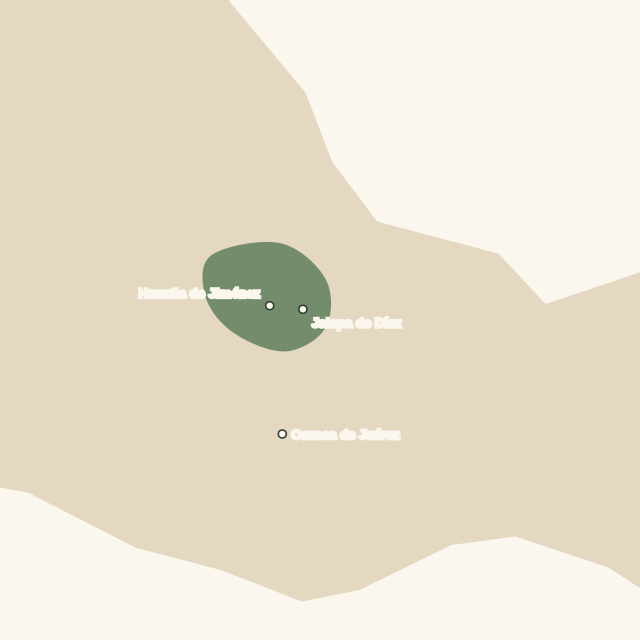
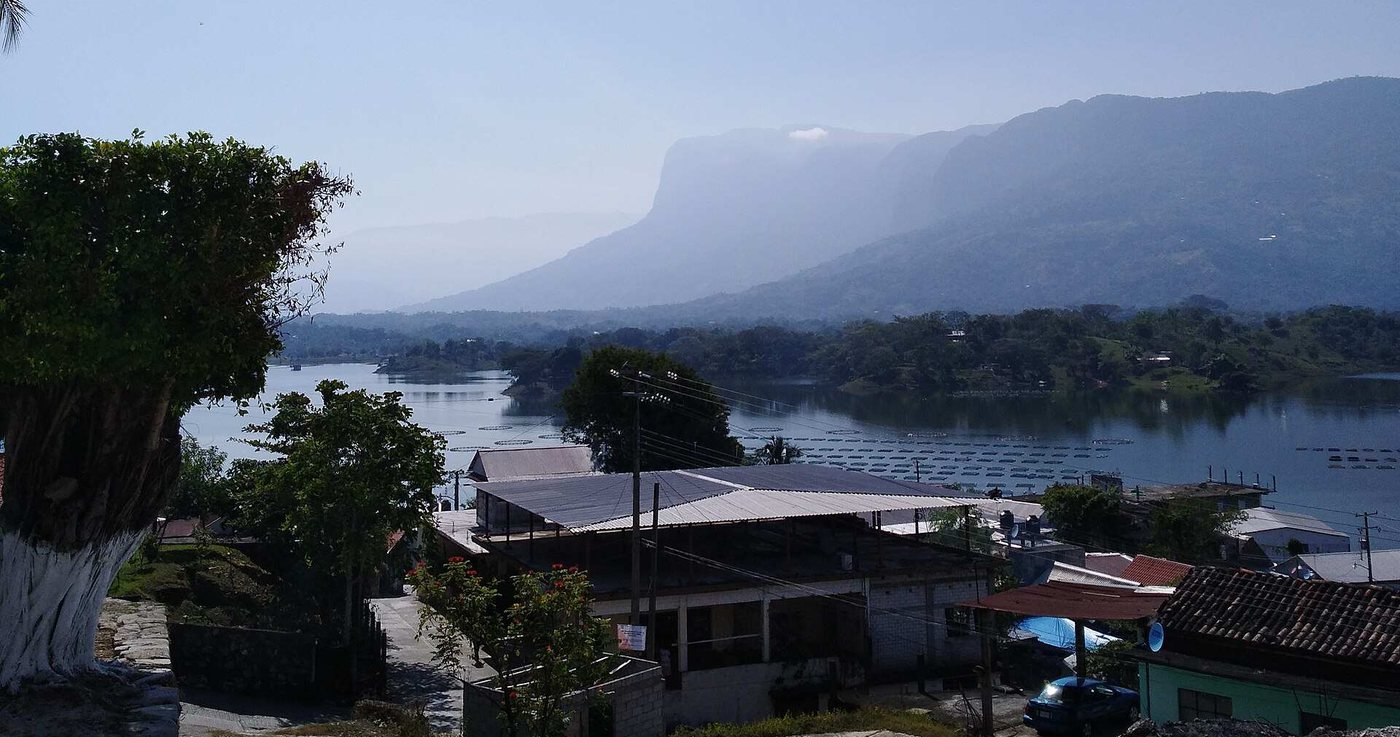
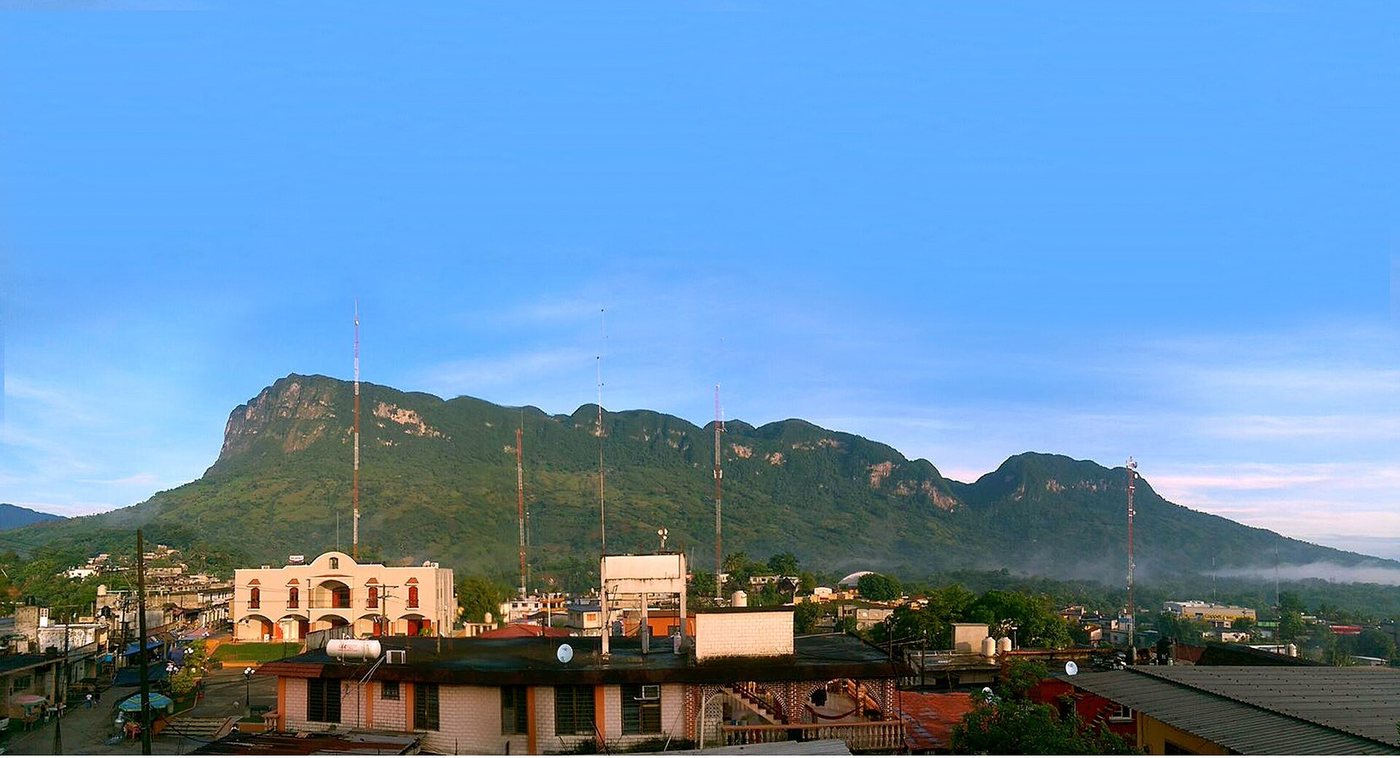
It is endemic to the Mazatec region of the Sierra Madre Oriental, in Oaxaca. It grows naturally in humid tropical and cloud forests, between 300 and 1,800 metres above sea level.2
Because its territory is so small, it is one of the rarest entheogenic plants. Outside that area it is found only in cultivation, in botanical gardens and in homes.2
What helps
- To respect its traditional use and those who safeguard it.
- To propagate it by cuttings rather than collecting it from the forest.
- Not to call "ancestral" what is recent.
What it contains
A molecule without nitrogen
Salvinorin A is the responsible substance. It is a compound without nitrogen, which is unusual among psychoactive substances, and it acts very selectively on the kappa opioid receptor, not on serotonin.4
If swallowed, the digestive system inactivates it. For this reason the traditional way is to chew the leaves or hold the juice in the mouth, so that it is absorbed through the mucous membrane.5
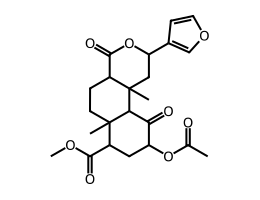 Salvinorin ADiterpene · from the leaves
It activates the kappa opioid receptor, which is different from the one used by morphine and heroin.
The experience
Minutes that feel like another life
With the inhaled plant, the effect arrives in seconds, peaks at around two minutes and by twenty nothing is left that is clear.6 People who have tried it speak of curved spaces, of being an object, of returning to places from childhood or of leaving the body.2
In the laboratory, salvinorin A blocked the information coming from sight and hearing, and at high doses contact with the body was lost completely.7
Indicative outline: it changes with the preparation, the amount and the person.
Research
What has been studied
In 2011, the team at Johns Hopkins University studied the effects of inhaled salvinorin A in healthy people with previous experience. The peak effect came at two minutes.6
In 2015, a Barcelona study described how it blocks the perception of what comes from outside and changes the sense of one's own body.7 A 2025 review covers its toxicology, its pharmacology and its therapeutic potential.8
Scope of these dataThese are small, supervised trials using salvinorin A, not the plant. There is no medicine based on Salvia divinorum and no clinical trials that justify a therapeutic use.
With care
What it helps to know beforehand
During the effect, contact with the body and the surroundings can be lost: it is easy to fall or to burn oneself. The experience can be frightening.7
Tiredness, dizziness and memory gaps; lasting psychoses have been described in vulnerable people.3
The actual concentration of products is unknown. "5x", "10x" or "20x" extracts vary greatly in potency.3
Only Salvia divinorum contains salvinorin A, and other sages can damage the liver.8
Gallery
A closer look
To follow
Books and related medicines
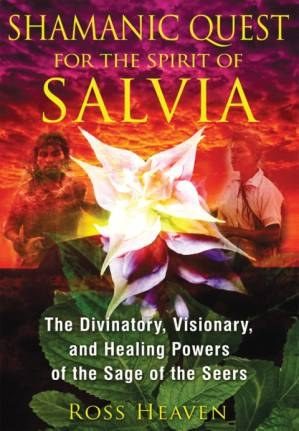 Shamanic Quest for the Spirit of SalviaRoss Heaven · 2012In the APDER library →APDER libraryPharmacotheonPharmacotheonJonathan Ott · 1993In the APDER library →
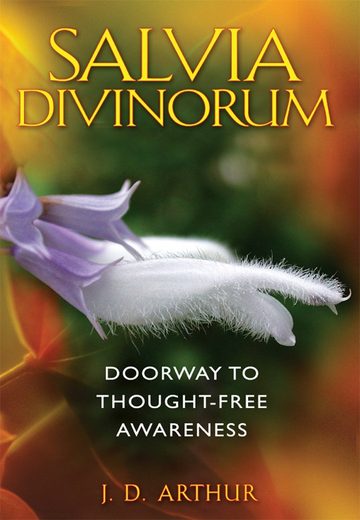 Salvia DivinorumJ. D. Arthur · 2010In the APDER library →
The molecule of the leaves, which acts on the kappa receptor.
MoleculeKetamineKetamineAnother dissociative, with a different action in the brain.
CactusPeyoteLophophora williamsiiAnother medicine from Mexico: the cactus of the Chihuahuan Desert.
PlantOloliuquiRivea corymbosaSeeds also used by peoples of Oaxaca.
Sources
Where each piece of information comes from
- Royal Botanic Gardens, Kew. Plants of the World Online: Salvia divinorum Epling & Játiva. powo.science.kew.org.
- Rätsch C. The Encyclopedia of Psychoactive Plants. Rochester: Park Street Press; 2005. Entry "Salvia divinorum".
- EUDA (European Union Drugs Agency). Salvia divinorum drug profile. euda.europa.eu.
- Roth BL, Baner K, Westkaemper R, et al. Salvinorin A: a potent naturally occurring nonnitrogenous κ opioid selective agonist. Proc Natl Acad Sci USA. 2002;99(18):11934-11939.
- Siebert DJ. Salvia divinorum and salvinorin A: new pharmacologic findings. J Ethnopharmacol. 1994;43(1):53-56.
- Johnson MW, MacLean KA, Reissig CJ, Prisinzano TE, Griffiths RR. Human psychopharmacology and dose-effects of salvinorin A, a kappa opioid agonist hallucinogen present in the plant Salvia divinorum. Drug Alcohol Depend. 2011;115(1-2):150-155.
- Maqueda AE, Valle M, Addy PH, et al. Salvinorin-A induces intense dissociative effects, blocking external sensory perception and modulating interoception and sense of body ownership in humans. Int J Neuropsychopharmacol. 2015;pyv065.
- Calado S, Pires B, Rosendo LM, Rosado T, Gallardo E, Duarte AP. Salvinorin A and Salvia divinorum: toxicology, pharmacological profile, and therapeutic potential. Int J Mol Sci. 2025;26(12):5588.
- Epling C, Játiva-M CD. A new species of Salvia from Mexico. Botanical Museum Leaflets, Harvard University. 1962;20(3):75-76.
- Wasson RG. A new Mexican psychotropic drug from the mint family. Botanical Museum Leaflets, Harvard University. 1962;20(3):77-84.
- Inflorescence of Salvia divinorum: white petals and violet calyx. Eric Hunt · CC BY 2.5
- Young leaves of Salvia divinorum, with their fine down. Alexander Abair · CC BY 4.0
- Cerro Rabón from San Pedro Ixcatlán, in the Mazatec area of Oaxaca. Koffermejia · CC BY-SA 4.0
- Map APDER, with data from Natural Earth · public domain
- Jalapa de Díaz, in the Mazatec region of Oaxaca. Juanluis92 · CC BY-SA 4.0
- Molecule drawings APDER
- A flower close up: the white petal, covered in fine hairs. Alexander Abair · CC BY 4.0
- The whole spike, with its alternate flowers. Alexander Abair · CC BY 4.0
- The four-sided stem, its most recognisable feature. Alex Abair · CC BY 4.0
- A leaf with roots: the plant is propagated by cuttings. RuzmarOax · CC BY-SA 4.0
Last reviewed: 24 November 2026. If you spot a mistake, write to us at info@apder.org.