

Plant · Asteraceae · Europe and western Asia
Wild lettuce
Lactuca virosa L.
A wild lettuce from Europe, related to the cultivated one, which gives off a milky latex called lactucarium, known as "lettuce opium". It was used as a calming agent and mild painkiller, above all in the 19th century.124
Also known aswild lettuce · poisonous lettuce · bitter lettuce · lettuce opium · laitue vireuse · wild lettuce · Lactuca virosa
- What it is
- Wild lettuce with milky latex
- Territory
- Central and southern Europe, as far as western Asia and North Africa
- Part used
- The latex of the stem, called lactucarium
- Active principles
- Lactucin and lactucopicrin
- Onset and duration
- No reliable data in the sources consulted
- Who keeps its memory
- Folk medicine and European pharmacopoeias
Botany
A lettuce with bitter latex
Lactuca virosa belongs to the lettuce genus and is related to the common lettuce, L. sativa.1
It is a biennial herb that can reach 200 cm, taller than the prickly lettuce Lactuca serriola.4 The stems are full of a white, milky sap that flows when they are broken.3
The scientific name means, in Latin, "latex" (lactuca) and "toxic" (virosa).5
- Family
- Asteraceae
- Height
- Up to about 2 m
- Cycle
- Biennial
- Sap
- White, bitter latex
Memory and tradition
"Lettuce opium"
It is used for its mild effects, as a painkiller and sedative.1 Lactucarium is the milky fluid secreted by several species of lettuce, above all Lactuca virosa, and it is called "lettuce opium".2
In the 19th century doctors used it when they could not get opium.4
Before the Victorian era it was well known as a calming agent and sedative.5
It was described and standardised in the United States Pharmacopeia of 1898 and the British Pharmaceutical Codex of 1911 for lozenges, tinctures and syrups, as a sedative for irritating coughs or as a mild painkiller.2
Although it has generally fallen out of use as a painkiller, it is still on sale and is sometimes promoted as a psychotropic.2
Over time
Date of the first studies on its use.6
It appears standardised in the United States Pharmacopeia.2
It is included in the British Pharmaceutical Codex.2
Its names
- wild lettuce
- general name
- lettuce opium
- historical name for the latex
- laitue vireuse
- French
- wild lettuce
- English
Several species of Lactuca are called "wild lettuce" and they are not identical.7
Territory and care
Riverbanks and wasteland
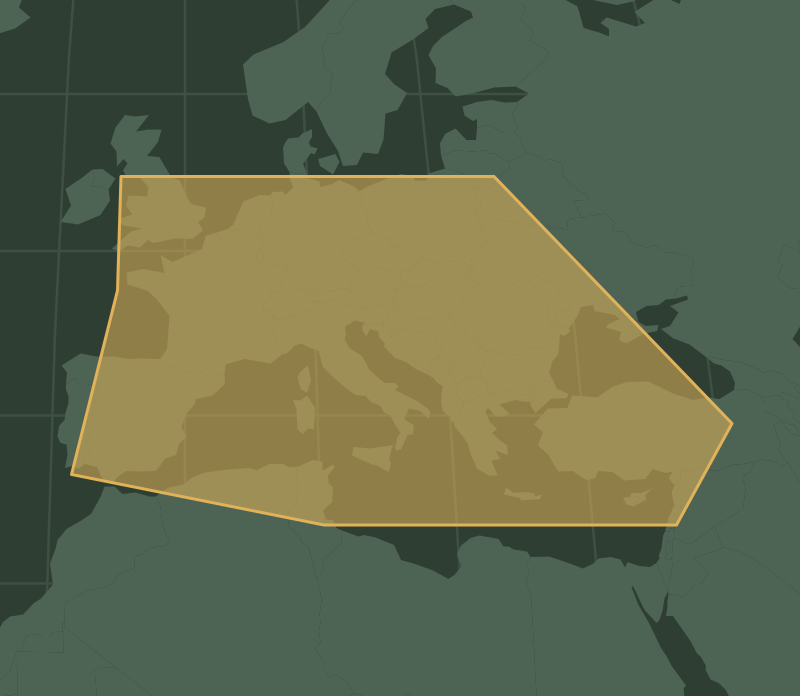
It is widespread across much of central and southern Europe, and is found on the coast of Great Britain.1
It grows naturally in Europe, as far as western Asia and North Africa, and on riverbanks and wasteland.5
In North America it has been documented as introduced in California, Alabama, Iowa and Washington, D.C.1
What helps
- Get to know it as part of the European folk pharmacopoeia.
- Do not confuse it with other wild lettuces.
- Respect its habitats.
What it contains
Lactucin and lactucopicrin
Lactucarium contains lactucin and lactucopicrin, bitter substances associated with calming and painkilling effects.26
A significant part of the latex is sesquiterpene lactones.6
The plant contains flavonoids, coumarins and N-methyl-β-phenylethylamine.4
In vitro, lactucin acts as an agonist of adenosine receptors and lactucopicrin inhibits acetylcholinesterase.8
Bitter substance in the latex.[2][6]
Bitter substance in the latex.[2][6]
The experience
A mild calming agent
It is described as a mild sedative and hypnotic, with a possible slight sense of euphoria.23
There are no reliable data on onset or duration.
Research
What has been studied
There is little clinical evidence for its uses, with the exception of one small study on insomnia in pregnant women.3
More recent work has confirmed painkilling and sedative properties of lactucin and lactucopicrin.2
Scope of these dataDocumented historical use; scarce clinical evidence.
With care
What it helps to know beforehand
To follow
Books and related medicines
Sources
Where each piece of information comes from
- Wikipedia. Lactuca virosa. wikipedia.org/wiki/Lactuca_virosa.
- Wikipedia. Lactucarium. en.wikipedia.org/wiki/Lactucarium.
- Drugs.com. Lettuce opium. drugs.com/npp/lettuce-opium.html.
- Encyclopedia of Life. Lactuca virosa. eol.org/pages/486948/articles.
- Kruidwis. Lactuca virosa / Gifsla / Wild lettuce. sites.google.com/site/kruidwis/kruiden-planten-van-a-tot-z/lactuca-virosa-gifsla-wild-lettuce.
- Healthline. Wild lettuce. healthline.com/nutrition/wild-lettuce.
- Tua Saúde. Wild lettuce: health benefits, types, how to use and side effects. tuasaude.com/en/wild-lettuce/.
- Wikiwand. Lactucarium. wikiwand.com/en/articles/Lactucarium.
- Map APDER, with data from Natural Earth · public domain
- Molecule drawings APDER
Last reviewed: 24 November 2026. If you spot a mistake, write to us at info@apder.org.