

Preparation · Ointment · Early modern Europe
Witches' ointments
Solanaceae (deadly nightshade, henbane, mandrake…)
The "flying ointments" are salves which, according to the chronicles and witchcraft trials of early modern Europe, were rubbed on the skin in order to travel to the witches' sabbath. The texts cite highly toxic nightshades, and direct documentary evidence is scarce. This entry is historical and descriptive.123
Also known asflying ointment · green ointment · Hexensalbe · Flugsalbe · lycanthropic ointment
- What it is
- Salve attributed to European witchcraft
- Territory
- Europe, thirteenth to seventeenth centuries
- Part used
- Nightshades and other herbs, according to the recipes
- Active principles
- Tropane alkaloids, according to the hypothesis
- Onset and duration
- Not applicable
- Who keeps its memory
- Trial archives and treatises of the period
The plant
The herbs cited
The plants most often cited in early modern recipes are nightshades such as deadly nightshade, henbane, mandrake and thorn apple, and most of them contain atropine, hyoscyamine or scopolamine.35
A critical analysis points out that only deadly nightshade and perhaps hemlock are truly hallucinogenic, that aconite appears in recipes but is not, and that thorn apple had not yet arrived from the Americas.4
That same source notes that mandrake and henbane do not appear in the detailed descriptions of the ointments, despite being hallucinogenic.4
Historical entry: it does not suggest or describe how to make or use it.
- Family
- Nightshades
- Period
- Late Middle Ages and sixteenth and seventeenth centuries
- Route
- Application to the skin
- Status
- Historical hypothesis
Memory and tradition
Between the trial and the myth
The flying ointment is described as a hallucinogenic substance used by witches in the early modern period, when the first detailed recipes were recorded.3
As early as the thirteenth century Albertus Magnus wrote about people who used henbane in black-magic rites, according to a popular account.7
In 1545 the Spanish physician Andrés de Laguna described a green ointment found in the home of a couple suspected of witchcraft, made, according to him, of hemlock, deadly nightshade, henbane and mandrake.1
Laguna tried it, according to the account, on the hangman's wife, who fell into a very deep sleep for thirty-six hours and woke up regretting having been woken from her visions.8
Thomas Hatsis's book, reviewed in an academic journal, stands out for its scholarship and historical context in contrast to a long tradition of pharmacological explanations.6
Some argue that many confessions of witches, such as flying or attending orgies, were impossible, and so sought explanations in hallucinogens.5
Over time
Albertus Magnus writes about henbane in magic rites
Account by Andrés de Laguna
Its names
- Hexensalbe / Flugsalbe
- German
- flying ointment
- Spanish
Territory and care
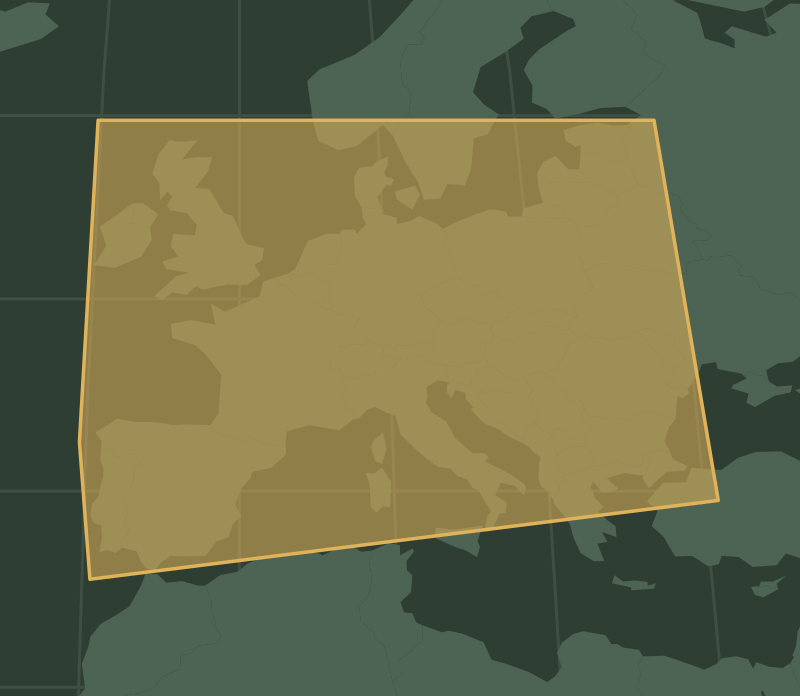
Europe, from the Middle Ages to the seventeenth century
What helps
- To treat it as a historical source, not as a recipe.
- To distinguish the inquisitorial trial from the real practice.
- To recognise that some people were persecuted for their folk knowledge.
What it contains
The tropane hypothesis
The dominant hypothesis holds that the effects were due to tropane alkaloids such as atropine, hyoscyamine or scopolamine.3
An anthropological anthology recalls that atropine can be absorbed through intact skin, and that toxic effects have been seen in medicine with belladonna plasters.5
The ingredients of these recipes are extremely toxic and have caused numerous deaths when swallowed.3
The experience
Dreams of flight
The accounts speak of illusions of flying and of attending the sabbath, and an origin in these ointments was attributed to them as early as the fifteenth century.2
Those descriptions come from texts of the period, which are not equivalent to contemporary clinical observation.4
Research
What has been studied
It is a matter of historical and pharmacological debate: authors such as Harner or Riddle defended the pharmacological basis, and others, such as Hatsis, qualify it from a historical standpoint.6
The critical analysis calls for caution over the identification of ingredients.4
Scope of these dataHistorical studies and pharmacological speculation; there are no clinical trials.
With care
What it helps to know beforehand
To follow
Books and related medicines
Sources
Where each piece of information comes from
- Smithsonian Magazine. How Witches' Brews Helped Bring Modern Drugs to Market. smithsonianmag.com/science-nature/how-witches-brews-helped-bring-modern-drugs-market-180953202/.
- U.S. Forest Service. The Powerful Solanaceae: Witchcraft in the Middle Ages. fs.usda.gov/wildflowers/ethnobotany/Mind_and_Spirit/witchcraft.shtml.
- Wikipedia. Flying ointment. wikipedia.com/wiki/Flying_ointment.
- Sydney Studies in Religion. Article on flying ointments. openjournals.library.sydney.edu.au/SSR/article/view/210/189.
- Harner, M. J. Hallucinogens and Shamanism. is.muni.cz.
- Magic, Ritual, and Witchcraft 12(2), 2017. Review of The Witches' Ointment by T. Hatsis. muse.jhu.edu/article/668585/summary.
- The Mary Sue. Witches' flying ointment history. themarysue.com/witches-flying-ointment-history/.
- Mental Floss. Why Do Witches Ride Brooms?. mentalfloss.com/history/why-do-witches-ride-brooms.
- Map APDER, with data from Natural Earth · public domain
- Molecule drawings APDER
Last reviewed: 24 November 2026. If you spot a mistake, write to us at info@apder.org.