

Plant · Aquifoliaceae · Upper Amazon
Guayusa
Ilex guayusa Loes.
A holly of the upper Amazon in Colombia, Ecuador and Peru. Indigenous and mestizo peoples of the region drink an infusion of its caffeine-rich leaves, and among the Kichwa and the Shuar it is an everyday drink with ritual and dream-related significance.123
Also known asguayusa · waisa (Kichwa) · wayus, wais (Shuar) · Ilex guayusa · Ilex utilis
- What it is
- A tree of the holly family whose leaves are taken as an infusion
- Territory
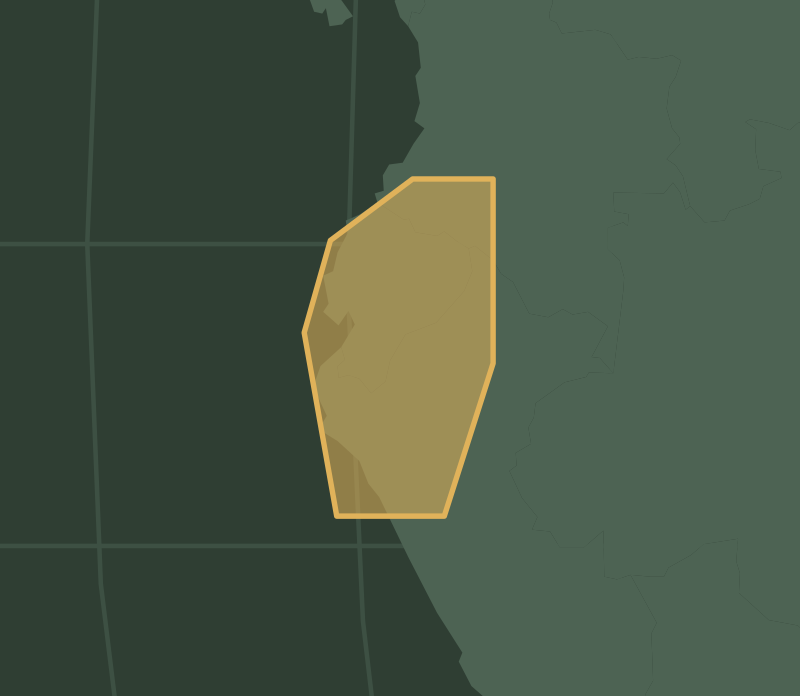
- Upper Amazon basin of Colombia, Ecuador and Peru
- Part used
- The leaf, dried after harvest
- Active principles
- Caffeine and other xanthines
- Onset and duration
- No reliable data in the sources consulted
- Who keeps its memory
- Kichwa, Shuar and other Amazonian peoples
Botany
An Amazonian holly
Ilex guayusa is a species of tree in the holly genus, native to the Amazon rainforest.3 It is known simply as guayusa in Spanish, waisa in Kichwa and wayus or wais in Shuar.2
In the genus Ilex it is hard to tell species apart by their morphology, because they show little floral, palynological and anatomical variation.1
Although it is monoecious and prone to floral polygamy, it yields little fertile material and reproduces mainly asexually.3 For this reason its origin and domestication are debated.1
- Family
- Aquifoliaceae
- Genus
- Ilex, like yerba mate
- Part used
- Dried leaf
- Compounds
- Caffeine, theobromine
Memory and tradition
The drink of dawn
Indigenous and mestizo peoples of the upper Amazon drink an infusion of guayusa leaves.1
The Kichwa grow the plant in forest gardens called chakras and take it daily.2 It is a morning drink taken before dawn to have energy for the day.4
A profile published in HerbalGram maintains that the leaves have been used since at least 500 BC.5
One ritual use among the Quechua consists of drinking the infusion to have premonitory dreams that bring success in hunting.3
According to Tyler Gage, of the Runa Foundation, the Kichwa say that in ancient times people asked for a plant that would teach them to dream.6
Lewis and colleagues described the ritual use of the plant among the Amazonian Jívaro in 1991.7
Over time
Date from which it would have been used, according to a HerbalGram profile.5
Schultes publishes "Ilex guayusa from 500 A.D. to the present".7
Lewis and colleagues describe its ritual use among the Jívaro.7
Its names
- guayusa
- name in Spanish
- waisa
- Kichwa name
- wayus, wais
- Shuar names
Territory and care
The upper Amazon basin
What helps
- Know it as a drink and teaching plant of specific peoples.
- Prefer products that respect the communities that grow it.
- Respect the knowledge of those who safeguard it.
What it contains
Caffeine and xanthines
It contains high concentrations of caffeine and other xanthines, as well as many other compounds.1
Like other species of the genus, it has alkaloids such as caffeine and theobromine.9
The infusion is said to have as much caffeine as coffee.46
Present in high concentrations.[1]
Present alongside caffeine.[9]
The experience
Gentle energy and dreams
It is a mild stimulant drunk like tea; technically it is not tea, but it belongs to the same genus as yerba mate.4
Among the Kichwa and other peoples it is associated with dreaming and with teaching.36
There are no reliable data on onset or duration.
Research
What has been studied
There is a historical and ethnobotanical synthesis from 2016 and a 2025 review of its history, traditional uses, chemistry and biological activity.110
The authors themselves point to the urgent need to study its origin and domestication process.1
Scope of these dataGood ethnobotanical documentation; little clinical research.
With care
What it helps to know beforehand
To follow
Books and related medicines
Sources
Where each piece of information comes from
- Dueñas-Serrano JF, Jarrett C, Cummins I, Logan-Hines E. A historical and ethno-botanical overview of Ilex guayusa Loes. (Aquifoliaceae) with notes on its distribution. cdn.shopify.com/s/files/1/0012/1952/6721/files/20140729_Ethnobotany_of_Guayusa_Runa.pdf.
- Wikipedia. Ilex guayusa. en.wikipedia.org/wiki/Ilex_guayusa.
- Wikipedia. Ilex guayusa (versión ampliada). en.wikipedia.org/wiki/Guayusa.
- FoodNavigator. Guayusa: ceremonial energy tea from Ecuador to begin European charge. 2018. foodnavigator.com/Article/2018/10/17/guayusa-ceremonial-energy-tea-from-ecuador-to-begin-european-charge/.
- NutraIngredients. Homegrown guayusa brand seeks to have big impact on Ecuadorian farmers. 2021. nutraingredients.com/Article/2021/03/01/Homegrown-guayusa-brand-seeks-to-have-big-impact-on-Ecuadorian-farmers.
- National Geographic. Ecuador's «Superleaf» Tea: Could It Replace Your Afternoon Coffee? 2014. nationalgeographic.com/science/article/140703-guayusa-ecuador-amazon-health-foods-tea.
- Lewis WH et al. Ritualistic use of the holly Ilex guayusa by Amazonian Jívaro indians. J Ethnopharmacol. 1991;33:25-30; Schultes RE. 1972. dx.doi.org/10.1007/s12231-016-9334-2.
- National Geographic (2014), entrevista a Tyler Gage. nationalgeographic.com/news/2014/7/140703-guayusa-ecuador-amazon-health-foods-tea/.
- Dueñas JF et al. Amazonian guayusa (Ilex guayusa Loes.): a historical and ethnobotanical overview. Economic Botany. 2016. cdn.shopify.com/s/files/1/0012/1952/6721/files/Duenas_etal_2016_-_Runa_Studie_zu_Guayusa_-_herkunft_und_verbreitung.pdf.
- Noriega P et al. Guayusa (Ilex guayusa Loes.) ancestral plant of Ecuador: history, traditional uses, chemistry, biological activity, and potential industrial uses. Molecules. 2025. doaj.org/article/0d4f6ba0cf0e4e69a5c9f3173a33bd20.
- Map APDER, with data from Natural Earth · public domain
- Molecule drawings APDER
Last reviewed: 24 November 2026. If you spot a mistake, write to us at info@apder.org.