

Getting to know it
What it is and what people seek it for.
What it is
A few hours with less fear and more trust
MDMA is a molecule of the phenethylamine family. It is not a classic psychedelic: it barely changes perception and acts, above all, on the emotional level. That is why it is called an empathogen, “generating empathy”, or an entactogen, a word that means roughly “producing a touching within”1.
In assisted therapy, MDMA is not the protagonist. It is an aid: for a few hours fear goes down, trust grows and the mind stays clear. In that space, the person can approach memories and emotions that they normally avoid, and they do not do so alone.
MDMA does not do the therapy. The person does it, supported; MDMA helps them not to look away.
Why it can help
Those who have supported it for decades explain it with three simple ideas:
- 1Less fear
The body’s alarm calms. A difficult memory can be looked at without the body reacting as if it were happening again.
- 2More trust
The sense of being safe with whoever provides support grows, and so does tenderness towards oneself.
- 3Another way of remembering
What is looked at with less fear stops weighing the same: the memory is still there, but it no longer hurts in the same way.
It is not the same as ecstasy
It is the same molecule, but another world. Many of the problems associated with ecstasy have to do with how much, how and where it is taken.
- Pure substance and a measured amount.
- Preparation and conversation beforehand.
- A quiet place and company all the time.
- Few times and well spaced out.
- Pills of unknown content.
- No preparation.
- Heat, dancing, mixtures.
- Often, repetition.
How it differs from other medicines
With psilocybin or LSD, the experience usually takes you far from the everyday. With MDMA, the person remains themselves, with a clear mind and able to converse; what changes is the relationship with what they feel. That is why it has been so widely used for trauma and for relationships, where it is necessary to be able to look without being overwhelmed.
How it acts on the body, its effects and its interactions are in the MDMA guide. In the therapy guides you can compare it with the others.
What people seek it for
What people bring
Since the late 1970s, very different people have come to the consulting rooms where MDMA is used to support the work. Some brought a specific pain; others, no diagnosis: they came to get to know themselves. This is what has been worked on most with it.
- Wounds from long ago
It is what has been supported most: experiences that left fear in the body and that here can be looked at from a safe place.
- Losses and grief
Saying goodbye, saying what was left unsaid and letting sorrow move with tenderness.
- Couples and relationships
It was one of its first uses: two people who listen to each other again without defending themselves, and what had been stuck for years can be talked about2.
- Fear and anguish
Many people arrive with an underlying fear whose source they do not know. MDMA does not cover it up: it helps to look at what is usually underneath.
- A serious illness
Some therapists have supported people to make peace with what is coming and to say goodbye in peace.
- Getting to know yourself and opening the heart
In those first consulting rooms many people did not come because of a problem: they came to look at themselves with more truth and more affection.
It is not a promise and it does not work the same for everyone. What helps is the whole: the person and their moment, whoever provides support, the preparation and what is done afterwards.
Experiencing it
How it is experienced, what usually remains and what those who have been through it say.
How it is experienced
Fear softens and the mind stays clear
Every experience is unique, but in the accounts of therapists and of people who have been supported, from the early years until today, some things recur2,3:

- Fear softens. A sense of safety and of warmth towards oneself and towards others appears.
- It is possible to return to a difficult memory and see it as something that happened, from a safe present.
- The mind is clear: there are usually no visions or loss of control, and afterwards what was lived is remembered.
- The body relaxes and, at times, lets go of old tension.
- Many people speak of love, gratitude and acceptance; some, of experiences of deep meaning or spiritual experiences.
“The opening of the heart and the opening of feelings.”
The arc of a session
A session takes up a good part of the day and is not all experienced in the same way. Many people describe a course like this one:
- Arrival
There is nervousness, and that is normal. The intention is reviewed and the last doubts are resolved.
- Opening
The body loosens and fear softens. Warmth and trust appear.
- The work
The longest stretch. At times inwards, with music and an eye mask; at times, talking.
- The return
The intensity drops little by little. Calm, tiredness and, often, gratitude remain.
- The following days
More sensitivity and sleepiness. What was lived keeps moving inside.
There may also be nervousness at the start, or intense emotions along the way. They are not a failure: they are part of the material being worked with, and that is why there is always someone beside you.
“Full of beauty and love, of good feeling and self-acceptance.”
What usually remains
What people say changes
The session passes; what matters is what remains. Each process is different, but from the first therapists to today’s follow-ups the same things return2,3,4.
- The past weighs less
The memory is still there, but it stops being in charge. It can be talked about without the body firing up.
- More tenderness towards oneself
Less guilt and less shame. Looking at yourself with the eyes with which you look at someone you love.
- Closer relationships
Pending conversations that are finally had. More ease in asking, setting boundaries and letting yourself be loved.
- A more liveable body
Less alertness and more presence in everyday life. Many people say they can rest again.
- Zest for life
Making plans again, trying new things and looking after oneself. Sometimes, too, letting go of what served to cover things up.
- Meaning
For some people, gratitude and a sense of belonging they had not known.
Keeping our feet on the ground. It does not happen to everyone, nor all at once. Sometimes it comes little by little and asks for work afterwards, and some people do not notice a big change. In that first account, everyone also reported some discomfort, almost always passing2.
Voices
Those who have lived it
Well-known people and anonymous ones, from here and from elsewhere. Each name leads to the interview, report or video where they tell their story.
“I felt my soul click back into place.”
-
“The MDMA trial has changed my life. Now I feel alive.”
Nathan McGeeTook part in one of the large studies
Since the age of four he had carried a trauma that nothing relieved. Almost four decades later, he was able to look at it with someone beside him.
MIT Technology Review en español, 2021 -
“For the first time I went on tour without stage fright.”
LordeSinger
She had had stage fright since the age of five and had tried everything. She says she worked on it in therapy sessions with MDMA and with psilocybin.
Rolling Stone en español, 2025 -
“I lived for decades in anguish and fear without knowing what was happening to me.”
MagdalenaChile
She grew up with fear lodged in her body. With MDMA and, later, with mushrooms, she says it was like swapping misted-up, dark glasses for clear ones.
La Tercera, 2023 -
“Healing gives us back the ability to choose.”
Marcela Ot’aloraFrom patient to therapist
In 1984, aged 23, MDMA helped her with a trauma that nothing had relieved. She studied transpersonal psychology and has spent more than twenty years supporting other people; she also did so in the Madrid study.
Chacruna, 2020 (in English) -
What an ordinary consultation could not reach
Jonathan LubeckyIraq veteran
He came back in 2006 with post-traumatic stress. He says that in the long sessions, with no clock, he was able to get to places he had never reached before.
Onda Vasca, 2026 -
“People really felt freed from their past.”
Bessel van der KolkPsychiatrist, author of El cuerpo lleva la cuenta
One of the leading specialists in trauma. He is a co-author of one of the studies and also tried it himself: lying down, wearing an eye mask, accompanied by two therapists.
CNBC, 2024 (in English) -
“I want that for everyone.”
Lori TiptonNew Orleans
She arrived carrying many losses, nervous and sceptical. She says she was able to return to her memories without the usual panic, and she believes the therapy saved her life.
NPR, 2019 (in English) -
A therapist, on the other side
Sebastián SalicruPsychotherapist, Tarragona
He tells of his own group session: a memory from the age of four came back and he was able to hold it with tenderness. At first he felt overwhelmed; afterwards peace, serenity and gratitude remained.
Journal of Transpersonal Research, 2026 (in English, with a summary in Spanish) -
Not every story is neatly rounded
Some people improve only partly, some need more time and some go through difficult days afterwards. Several people who took part in the studies tell it in their own words.
Trauma Research Foundation, 2026 (in English)
Seeing it from the inside
Three videos to get a glimpse of what a session is like.
Quotations from other languages have been translated by APDER. These are external media: each link leads to the original source.
With care
Fears, the path, and what the body notices.
If you are afraid
That is normal. Let us take it fear by fear
Almost everyone arrives with one. Saying them out loud, beforehand, is already part of the process.
- “What if I lose control?”
With MDMA you remain yourself: you can talk, move, ask for what you need and stop. There are not usually visions or confusion, and afterwards you remember what you went through. Many people say they feel more like themselves.
- “What if something comes up that I cannot bear?”
Something painful may come up; that is what one goes there for. But you arrive with less fear and with someone beside you, and you set the pace. Hard moments pass, and afterwards they are worked through calmly.
- “Isn’t it dangerous?”
The harms associated with ecstasy come from pills of unknown content, from heat, from mixing substances and from repeated use. Here it is something else: a known substance, a measured amount, few times and in calm surroundings. It is not for every body, which is why health and medication are discussed beforehand.
- “Can I get hooked?”
It does not usually happen. Those who support people with it say that, taken often, it opens less and less: its place is in a few spaced-out sessions.
- “What if I feel nothing or it does not help me?”
It happens. It is not a magic pill: what changes things is the whole process, and sometimes what has been stirred is noticed weeks later. No serious person promises results.
- “I am embarrassed to open up in front of someone”
Trust is built beforehand, without hurry. You decide what you share and what you do not. And being silent is fine too.
And if, after reading this, you still have doubts, that is fine too. There is no hurry.
The process
A path in three stages
MDMA-assisted therapy is not a pill: it is a path. The substance is taken only a few times; most of the work is conversation, body and life.
- 1Preparation
Getting to know each other and building trust. Talking about health, personal history and medication. Clarifying the intention, which is not the same as an expectation, and agreeing on boundaries and care.
- 2The session
A calm, cared-for place, music and, if desired, an eye mask. Someone beside you the whole time. The person sets the pace: at times speaking, at times going inwards.
- 3Integration
In the following days and weeks, meetings to make sense of what was lived and bring it into life: into relationships, the body and decisions. Big decisions can wait.
The person who supports
The person who supports neither interprets nor leads: they are simply there. They listen, hold, and trust the person’s own rhythm. The therapists who first began to work with it already did so in this way, and the manual used today calls it following each person’s “inner healing intelligence”. In the traditions that work with plants something similar happens: there is always someone experienced who looks after the space. It seems simple and it is not: it takes craft, humility and having done one’s own work first.
What surrounds the session matters as much as the substance. We cover this in Set and setting and in The sitter.
What looks after a session
This is what those who began to support people with it learned over the years5.
- Talking it through beforehandHealth, medication, history and intention. Preparation is half of the path.
- Knowing what is being takenWhich substance it is and in what amount.
- Someone who has walked the pathPresent the whole time and not directing. One supports best what one has already been through.
- Clear boundariesAgreed beforehand and respected: touch is for support, never sexual.
- Few times, with time betweenWhat has been lived needs weeks to settle before going back.
- Looking after the aftermathRest, time and conversation so that what has opened reaches everyday life.
Nobody promises cures or applies pressure, and you can stop whenever you wish.
The body and care
What the body notices and how to look after it
Those who have supported people with it for decades describe a gentle substance when it is taken few times, in a measured amount and calmly. What is noticed in the body is usually mild and passes soon6.
The most common
- Tension in the jaw or muscles, some nausea, reduced appetite, sweating and nerves at the start.
- For a few hours, the pulse and blood pressure rise slightly.
- The next day, at times, tiredness or heightened sensitivity, which pass within a day or two.
It is not for everyone, nor for any moment
There are bodies and moments for which it is not suitable: a delicate heart or high blood pressure, pregnancy, a past psychosis or mania, and some medicines, especially certain antidepressants. That is why everything is discussed beforehand, and no treatment is ever stopped or changed on one’s own. We explain it calmly in the MDMA guide.
The emotional side
Strong emotions or painful memories may appear, during the session or in the following days. They are part of the process and are supported; integration helps to give them a place.
Understanding
A humanistic and transpersonal view, where it comes from, the books and the studies.
A humanistic and transpersonal view
Accepting, noticing, trusting
What follows is a way of understanding the experience from two currents of psychology that put the person at the centre.
The acceptance that transforms
Those who support people with MDMA do so, above all, without directing. This is very close to the humanistic psychology of Carl Rogers: when someone feels accepted unconditionally, they stop defending themselves and begin to grow. With MDMA, that acceptance is also lived from within, towards oneself.
“The curious paradox is that when I accept myself just as I am, then I can change.”
Noticing, here and now
Gestalt therapy speaks of awareness: being in touch with what one feels at this moment, without the usual defence. And of unfinished business: what could not be said, wept over or closed in its time. Many accounts of sessions resemble this. Something left pending finally finds its place, and often it does so first in the body.
Looking at one’s own shadow
In Jung’s language, the shadow is the part of ourselves we prefer not to see. Those who have supported MDMA sessions, such as the therapist Ann Shulgin, say the substance takes away the fear of looking at it and makes room for compassion: what appears can be embraced rather than rejected.
The inner healer
Transpersonal psychology, with Stanislav Grof, speaks of an inner healer: a wisdom of one’s own that knows where to go when given space. In sessions, some people have experiences of unity, meaning or reconciliation that go beyond their personal biography. Claudio Naranjo, a pioneer of psychotherapy with these substances, observed with MDA, a chemical cousin of MDMA, something that is repeated in accounts today:
“The patient goes back and, at the same time, retains awareness of his present self.”
A glimpse of the summit
The Benedictine monk David Steindl-Rast, who studied psychology before entering the monastery, described it with the image of a mountain covered in mist: for an instant it clears and the climber manages to see the summit. There are no shortcuts, he said; the path remains a matter of daily work. But now one knows where it leads.
“The substance gives you a vision, a glimpse of what you are seeking.”
David Steindl-Rast, quoted by Jamie Wheal in Recapture the Rapture (2021). Translated by APDER.
Where it comes from
A young medicine in a very ancient practice
Seeking relief and meaning in an expanded state of consciousness, with someone who looks after the process, is one of humanity’s oldest practices. Some plants and mushrooms have been used in this way for thousands of years, in ceremonies and with their own knowledge. What counts as a medicine, a sacrament or a drug has been decided by each culture and each era in its own way, and even today it changes from place to place.
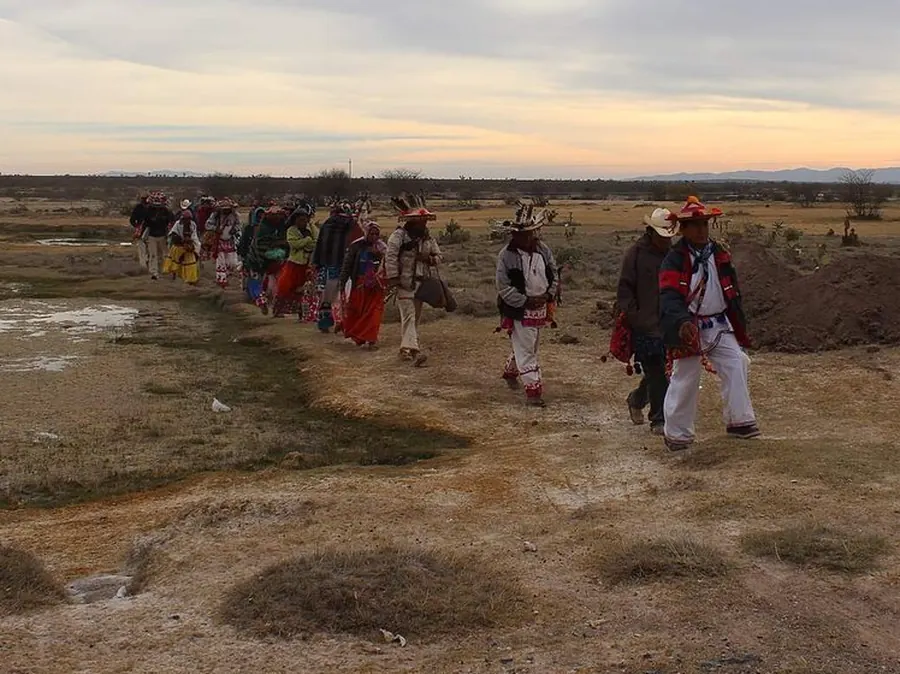


MDMA is a newcomer to that history. It was synthesised in Germany in 1912 and lay forgotten for decades. In 1977, the chemist Alexander Shulgin gave it to Leo Zeff, a psychologist from Oakland (California) who was about to retire. Zeff left retirement, called it “Adam” because he felt it returned people to a state of original innocence, and introduced it to other therapists. He is estimated to have trained around 150 of them, who between them supported thousands of people7.
Those therapists worked discreetly, with individuals, couples and groups, and gradually learned what helped and what did not. The first accounts and the first books come from those years.
Then came research, which has been testing, with the methods of our time, what those therapists reported. Spain was a pioneer: in 2000, the world’s first clinical trial of MDMA-assisted psychotherapy began in Madrid, led by the psychologist José Carlos Bouso8. And Rick Doblin and his team have been driving it forward for decades.
What the books say
To read at leisure
A good part of what is known about this therapy is in books: those of the people who supported it, those of the people who lived it and those of the people who have told its story. Almost all of them have an entry in the Library.
- Through the Gateway of the HeartSophia Adamson (ed.) · 1985 · in English
First-person accounts from the early years: those who lived it tell what opened and what changed.
- The Secret Chief RevealedMyron Stolaroff · 2004 · in English
Conversations with Leo Zeff about how he supported people: preparation, agreements, the group and care.
 PiHKALAlexander and Ann Shulgin · 1991 · in English
Half love story, half laboratory notebook. Leo Zeff appears in it under another name.
- El viaje sanadorClaudio Naranjo · 1973 · in Spanish
Psychotherapy with MDA, a cousin of MDMA, and with other substances, told from the inside by one of its pioneers.
 Healing with EntactogensTorsten Passie · 2012 · in English
Therapists and patients tell how they work and what they experience in group therapy.
- The History of MDMATorsten Passie · 2023 · in English
The whole history, from 1912 to today’s consulting rooms.
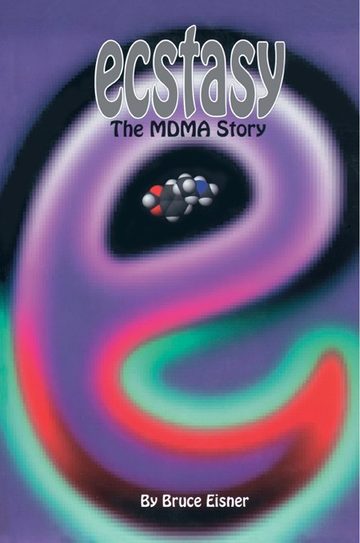 Ecstasy: The MDMA StoryBruce Eisner · 1989 · in English
One of the first books on its history, its effects and its use in therapy.
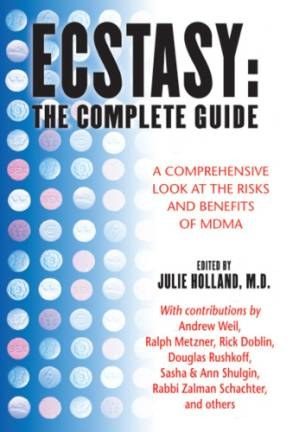 Ecstasy: The Complete GuideJulie Holland (ed.) · 2001 · in English
Therapists, doctors and researchers gather what they have learned in a single volume.
 I Feel LoveRachel Nuwer · 2023 · in English
The story of MDMA, from the consulting room to the dance floor and back again.
- Medicina psiquedélicaJosé Carlos Bouso · 2025 · in Spanish
A manual for patients, therapists and the curious.
What the studies have seen
Science, one voice among others
Since 2000 it has also been studied with the methods of science, above all with people who had lived for years with a trauma that would not ease.
2out of3
people with a trauma of many years no longer had the diagnosis at the end of MDMA therapy, in the two largest studies9,10.
And there is a piece of information that says a lot: those who had the same therapy without MDMA also improved considerably. The support does a good part of the work; MDMA helps it go deeper. It is what the first therapists reported, now with numbers.
The details of the studies are in Therapeutic research and in the MDMA guide.
Going further
What the media say, first steps and frequent questions.
In the media
It is talked about more and more, and calmly
Newspapers, television channels and institutions have been covering this therapy for years. This is a selection, almost all in Spanish.
Press and television in Spain
- El País22 March 2022¿Una terapia con MDMA? Los expertos debaten el uso de drogas psicodélicas en tratamientos médicos
Specialists explain what it may offer and what doubts remain.
- El Mundo10 May 2021Una investigación apunta que cada vez estamos más cerca de incluir el éxtasis en la psiquiatría convencional
The news of the first large study, on the day it was published.
- El Confidencial13 May 2021Así es como el MDMA y la psilocibina pueden revolucionar la psiquiatría
A review of what these therapies could change in mental health.
- laSexta4 February 2023Australia se convierte en el primer país en aprobar el MDMA y las setas alucinógenas para tratar enfermedades de salud mental
The news of the first country to bring it into its health system.
- El Salto6 November 2025José Carlos Bouso: «Creo que de aquí a dos años habrá medicinas de MDMA, psilocibina o LSD»
Interview with the Spanish pioneer of MDMA-assisted psychotherapy.
- Science Media Centre EspañaFECYT · 2026Psicodélicos y salud mental: preguntas y respuestas sobre su investigación
Spanish researchers explain what is known and what is not.
Psychology and health
- InfocopConsejo General de la Psicología · 8 May 2025Terapia con psicodélicos en la práctica clínica: ¿revolución o teoría?
The view of Spanish professional psychology.
- Psiquiatria.com2 June 2023La psicoterapia asistida con psicodélicos supondrá un cambio de paradigma para la psiquiatría
The psychiatrist Óscar Soto-Angona, of the Vall d’Hebron Hospital, explains why the substance is a catalyst.
- Redacción MédicaPsychiatry«El mercado psiquiátrico español tendrá MDMA, psilocibina y LSD en 3 años»
Spanish psychologists, psychiatrists and neuroscientists talk about the future of these therapies.
- Centro Nacional para el TEPTUnited States · in SpanishTerapia asistida por MDMA para el trastorno de estrés postraumático (TEPT)
The explanation from the leading trauma centre, updated in November 2026.
Worldwide
- The New York TimesIn Spanish · 15 May 2021Una revolución psicodélica llega a la psiquiatría
The report that accompanied the first large study.
- CNN ChileSana Mente · October 2022Rick Doblin y el uso terapéutico de psicodélicos: «El MDMA ayuda a las personas a procesar el trauma»
Interview with the man who has been driving this therapy forward for decades.
- Infobae19 September 2023Un estudio mostró que el éxtasis puede ser útil para abordar el estrés postraumático
The second large study, told for the general public.
- TEDTalk · 2019 · Spanish subtitlesRick Doblin: el futuro de la psicoterapia asistida con psicodélicos
Sixteen minutes to understand why MDMA may help in looking at a trauma.
To watch
- NetflixDocumentary series · 2022Cómo cambiar tu mente, chapter on MDMA
Based on the book by Michael Pollan, it devotes a whole episode to MDMA and to those who have received it in therapy.
- MDMA The MovieVideo · in EnglishDead Dog on the Left: war, friendship and healing
The story of two veterans, told by themselves.
These are external media: APDER is not responsible for their content. Videos only connect to YouTube (youtube-nocookie.com) if you click to watch them. Selection reviewed in November 2026.
First steps
If something here calls to you
It is normal to feel curiosity, hope or doubts. Some ideas for going forward calmly:
- 1Find out without hurry
Read, watch and listen to those who have lived it. You have places to start in Voices, in the books and in the media.
- 2Talk it over with someone you trust
Your therapist, if you have one, or someone close to you who knows you well. Saying it out loud helps you see what you are looking for.
- 3Listen to your moment
These experiences stir things up. They call for a stage of life with some support and time for whatever comes afterwards.
- 4Go at your own pace
Finding out is already a step. And so is feeling that now is not the moment.
And if what you have read has touched you, perhaps the first step is not a substance but a conversation. Beginning therapy, with medicines or without them, is already a way of looking after yourself.

Frequently asked questions
Questions that tend to remain
Is it the same as taking ecstasy?
No. It is the same molecule, but not the same experience. In therapy, pure MDMA is used in a measured amount, with preparation, in a calm place and with someone beside you. Pills at a party may contain much more or other substances, and are taken with heat, dancing and mixtures.
Is it something new?
The substance is young; the practice, very ancient. Entering an expanded state of consciousness in order to heal, with someone who supports you, has been done for thousands of years with plants and mushrooms, in many cultures. MDMA has been used in therapy since the 1970s.
How many times is it taken?
Few. It is used in a few sessions over several months, always within a process that has many meetings without it. It is not something for every day.
How long does a session last?
It takes up a good part of the day. The effect lasts a few hours and afterwards time is needed to rest: that is why the whole day is set aside and the person does not leave alone.
Is it for everyone?
No, and not at any moment either. A delicate heart or high blood pressure, pregnancy, a past psychosis or mania and some medicines call for something different. That is why everything is discussed beforehand.
What if I take medication?
It is always best to say so beforehand. Some antidepressants switch off almost all of MDMA’s effect, and with other medicines, such as MAOIs, it must not be combined. No treatment is ever stopped or changed on one’s own. The MDMA guide explains it.
Can it help with anxiety or sadness?
Many people have come to it for that reason. Those who support people with it say that MDMA does not cover over fear or sadness: it helps to look at what is often underneath, such as a wound, a loss or something that could not be said, from a safer place. Every process is different and there are no promises; what counts most is the whole picture: the person’s moment, whoever is supporting them and what is done afterwards.
What happens after the session?
Many people feel that what they lived keeps working inside them. The following days may bring tiredness, sensitivity or great clarity. Integration helps to understand it and bring it into daily life.
Does APDER offer this therapy?
No. APDER is an association for public information: it gathers and explains what is known. It does not offer therapies or sessions, nor does it recommend anything to anyone.
References
- Nichols DE. Entactogens: how the name for a novel class of psychoactive agents originated. Front Psychiatry. 2022;13:863088. PMC
- Greer G, Tolbert R. Subjective reports of the effects of MDMA in a clinical setting. J Psychoactive Drugs. 1986;18(4):319-327. MAPS
- Barone W, Beck J, Mitsunaga-Whitten M, Perl P. Perceived benefits of MDMA-assisted psychotherapy beyond symptom reduction: qualitative follow-up study of a clinical trial for individuals with treatment-resistant PTSD. J Psychoactive Drugs. 2019;51(2):199-208. DOI
- van der Kolk BA, Wang JB, Yehuda R, et al. Effects of MDMA-assisted therapy for PTSD on self-experience. PLoS One. 2024;19(1):e0295926. DOI
- Passie T. The early use of MDMA (‘Ecstasy’) in psychotherapy (1977–1985). Drug Sci Policy Law. 2018;4:2050324518767442. DOI
- Colcott J, et al. Side-effects of MDMA-assisted psychotherapy: a systematic review and meta-analysis. Neuropsychopharmacology. 2024. Springer
- Wolfgang AS, Fonzo GA, Gray JC, et al. MDMA and MDMA-assisted therapy. Am J Psychiatry. 2025;182(1):79-103. American Journal of Psychiatry
- Bouso JC, Doblin R, Farré M, Alcázar MA, Gómez-Jarabo G. MDMA-assisted psychotherapy using low doses in a small sample of women with chronic posttraumatic stress disorder. J Psychoactive Drugs. 2008;40(3):225-236. MAPS
- Mitchell JM, Bogenschutz M, Lilienstein A, et al. MDMA-assisted therapy for severe PTSD: a randomized, double-blind, placebo-controlled phase 3 study. Nat Med. 2021;27(6):1025-1033. PubMed
- Mitchell JM, Ot’alora G M, van der Kolk B, et al. MDMA-assisted therapy for moderate to severe PTSD: a randomized, placebo-controlled phase 3 trial. Nat Med. 2023;29:2473-2480. Nature Medicine
Page reviewed on 26 November 2026.
Before you read on. This information is for general education. We prepare it carefully from scientific and harm reduction sources, but it may contain errors or become out of date. It is not medical advice and does not replace a health professional, especially if you take medication or have a health problem. APDER does not encourage the use of any substance and accepts no responsibility for how this information is used. If you spot an error, write to us at info@apder.org.