

Home · Library · Anthropology, ethnobotany and shamanism
The Shaman's Mirror
Visionary Art of the Huichol
Hope MacLean
Huichol yarn art and its visions.
Reference edition
- Publisher
- University of Texas Press
- Publication date
- 2011
- Year of the work
- 2012
- Language
- English
- Print length
- 311 pages
- Series
- Joe R. and Teresa Lozana Long Series in Latin American and Latino Art and Culture
- ISBN-10
- 029272876X
- ISBN-13
- 978-0292728769
- Other editions on record
- English · University of Texas Press · 2014
Edition synopsis
Huichol Indian yarn paintings are one of the world's great indigenous arts, sold around the world and advertised as authentic records of dreams and visions of the shamans. Using glowing colored yarns, the Huichol Indians of Mexico paint the mystical symbols of their culture—the hallucinogenic peyote cactus, the blue deer-spirit who appears to the shamans as they croon their songs around the fire in all-night ceremonies deep in the Sierra Madre mountains, and the pilgrimages to sacred sites, high in the central Mexican desert of Wirikuta. Hope MacLean provides the first comprehensive study of Huichol yarn paintings, from their origins as sacred offerings to their transformation into commercial art. Drawing on twenty years of ethnographic fieldwork, she interviews Huichol artists who have innovated important themes and styles. She compares the artists' views with those of art dealers and government officials to show how yarn painters respond to market influences while still keeping their religious beliefs. Most innovative is her exploration of what it means to say a tourist art is based on dreams and visions of the shamans. She explains what visionary experience means in Huichol culture and discusses the influence of the hallucinogenic peyote cactus on the Huichol's remarkable use of color. She uncovers a deep structure of visionary experience, rooted in Huichol concepts of soul-energy, and shows how this remarkable conception may be linked to visionary experiences as described by other Uto-Aztecan and Meso-American cultures.
Related reading
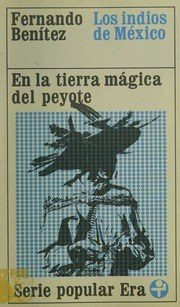
- En la tierra mágica del peyoteFernando</span><span class="bm-sep"> <span>Benítez · 1968
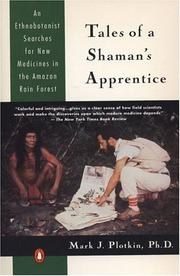
- Tales of a Shaman's Apprentice: An Ethnobotanist Searches for New Medicines in the Amazon Rain ForestMark J.</span><span class="bm-sep"> <span>Plotkin · 1993
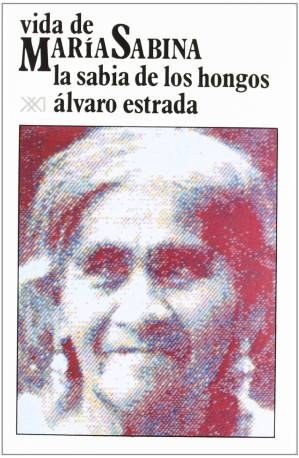
- Vida de María Sabina: la sabia de los hongosÁlvaro</span><span class="bm-sep"> <span>Estrada · 1977
- One River: Explorations and Discoveries in the Amazon Rain ForestWade</span><span class="bm-sep"> <span>Davis · 1996
- Connaissance par les gouffresHenri</span><span class="bm-sep"> <span>Michaux · 1961
- Le serpent cosmique: l'ADN et les origines du savoirJeremy</span><span class="bm-sep"> <span>Narby · 1995


A suggested reading list compiled by APDER. The heading description is our own; the edition synopsis comes from the bibliographic record. Including a book does not mean we agree with everything in it.