

Home · Library · Plants and substances
The Encyclopedia of Aphrodisiacs
Christian Rätsch; Claudia Müller-Ebeling
An encyclopedia of psychoactive substances in sexual life.
Reference edition
- Publisher
- Park Street Press
- Publication date
- 2013
- Year of the work
- 2003
- Edition
- Illustrated
- Language
- English
- Print length
- 2,958 pages
- ISBN-10
- 1620552701
- ISBN-13
- 978-1620552704
- Edition title
- The Encyclopedia of Aphrodisiacs: Psychoactive Substances for Use in Sexual Practices
- Other editions on record
- English · Inner Traditions;Bear & Company;Inner Traditions International, Limited · 2013
Edition synopsis
The most comprehensive guide to the botany, pharmacology, cultural, ritual, and personal use of erotically stimulating substances from antiquity to the present day • Details the use, preparation, and dosage of more than 400 plant, animal, mineral, and synthetic substances, both common and exotic, as well as their botany, science, and legal status • Explores the historical and present use of aphrodisiacs and their role in sexual practices, culture, and art • Richly illustrated throughout with more than 800 color photographs The culmination of more than 30 years of cultural, anthropological, and scientific research, this encyclopedia examines the botany, pharmacology, history, preparation, dosage, and practical use of more than 400 erotically stimulating substances from antiquity to the present day. From plants and animals that enhance fertility and virility, like celery, snails, or oysters, to substances that induce arousal, like ephedra, opium, or cannabis, the encyclopedia is richly illustrated with more than 800 color photographs--many of which are from the authors’ extensive fieldwork around the world. Exploring individual, medicinal, and ritual use through historic and contemporary artwork, personal accounts, and literature as well as ayurvedic, tantric, shamanic, and European folklore practices and recent pharmacological research, the authors look at the revolving cycle of acceptance and condemnation of aphrodisiacs, the qualities that incur the label of “aphrodisiac,” the role of mind and setting, and the different ways aphrodisiacs stimulate desire--either physically, through the senses and vital organs, or mentally, through heightened awareness and altered consciousness. This comprehensive guide reveals these “remedies of the love goddess” as holy remedies whose proper use can help reestablish harmony with oneself, one’s partner, and the universe.
Related reading
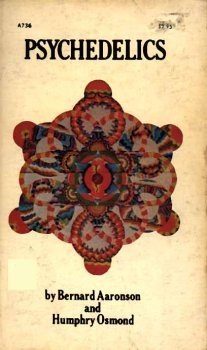
- Psychedelics: The Uses and Implications of Hallucinogenic DrugsBernard <span>Aaronson y Humphry (eds.)</span><span class="bm-sep"> Osmond · 1970
- The Long Trip: A Prehistory of PsychedeliaPaul</span><span class="bm-sep"> <span>Devereux · 1997
- Handbook of Medical HallucinogensCharles S. <span>Grob y Jim (eds.)</span><span class="bm-sep"> Grigsby · 2021
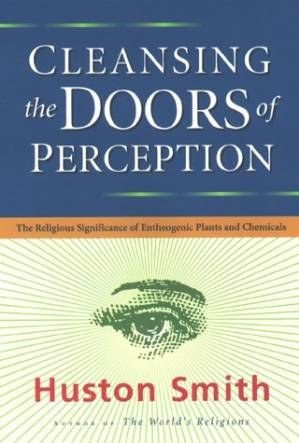
- Cleansing the Doors of Perception: The Religious Significance of Entheogenic Plants and ChemicalsHuston</span><span class="bm-sep"> <span>Smith · 2000
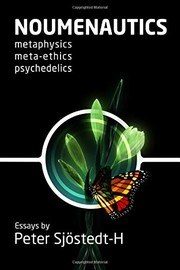
- Noumenautics: Metaphysics, Meta-ethics, PsychedelicsPeter</span><span class="bm-sep"> <span>Sjöstedt-Hughes · 2015
- Higher Wisdom: Eminent Elders Explore the Continuing Impact of PsychedelicsRoger <span>Walsh y Charles S. (eds.)</span><span class="bm-sep"> Grob · 2005


A suggested reading list compiled by APDER. The heading description is our own; the edition synopsis comes from the bibliographic record. Including a book does not mean we agree with everything in it.