

Home · Library · Spirituality and philosophy
Love Drugs
The Chemical Future of Relationships
Brian D. Earp; Julian Savulescu
The ethics of using MDMA and other drugs in relationships.
Reference edition
- Publisher
- Stanford University Press
- Publication date
- 2020
- Language
- English
- Print length
- 280 pages
- ISBN-10
- 0804798192
- ISBN-13
- 978-0804798198
- ISBNs of registered editions
- 978-1503611047 · 978-2019009052 · 1503611043 · 2019009056
Edition synopsis
Is there a pill for love? What about an "anti-love drug", to help us get over an ex? This book argues that certain psychoactive substances, including MDMA—the active ingredient in Ecstasy—may help ordinary couples work through relationship difficulties and strengthen their connection. Others may help sever an emotional connection during a breakup. These substances already exist, and they have transformative implications for how we think about love. This book builds a case for conducting research into "love drugs" and "anti-love drugs" and explores their ethical implications for individuals and society. Scandalously, Western medicine tends to ignore the interpersonal effects of drug-based interventions. Why are we still in the dark about the effects of these drugs on romantic partnerships? And how can we overhaul scientific research norms to take relationships more fully into account? Ethicists Brian D. Earp and Julian Savulescu say that the time to think through such questions is now. Biochemical interventions into love and relationships are not some far-off speculation. Our most intimate connections are already being influenced by drugs we ingest for other purposes. Controlled studies are underway to see whether artificial brain chemicals can enhance couples therapy. And conservative religious groups are experimenting with certain medications to quash romantic desires—and even the urge to masturbate—among children and vulnerable sexual minorities. Simply put, the horse has bolted. Where it runs is up to us. Love Drugs arms us with the latest scientific knowledge and a set of ethical tools that we can use to decide if these sorts of medications should be a part of our society. Or whether a chemical romance will be right for us. About the authorsBrian D. Earp is Associate Director of the Yale-Hastings Program in Ethics and Health Policy at Yale University and the Hastings Center and a Research Fellow at the Uehiro Centre for Practical Ethics at the Unive
Related reading
- The Holotropic MindStanislav <span>Grof y Hal Zina</span><span class="bm-sep"> Bennett · 1992
- The Sacred Mushroom: Key to the Door of EternityAndrija</span><span class="bm-sep"> <span>Puharich · 1959
- I Feel Love: MDMA and the Quest for Connection in a Fractured WorldRachel</span><span class="bm-sep"> <span>Nuwer · 2023
- Be Here Now<span>Ram Dass</span><span class="bm-sep"> · 1971
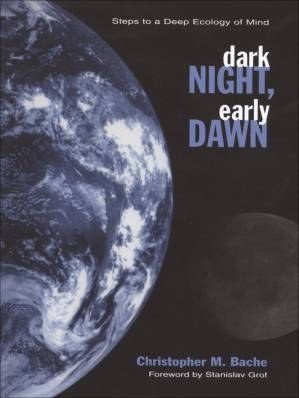
- Dark Night, Early Dawn: Steps to a Deep Ecology of MindChristopher M.</span><span class="bm-sep"> <span>Bache · 2000
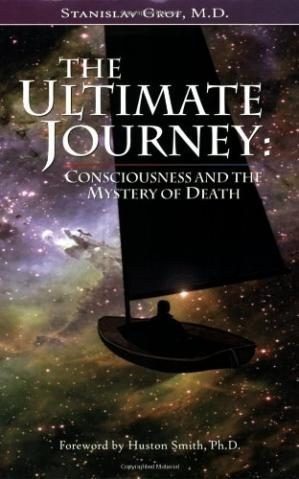
- The Ultimate Journey: Consciousness and the Mystery of DeathStanislav</span><span class="bm-sep"> <span>Grof · 2006
A suggested reading list compiled by APDER. The heading description is our own; the edition synopsis comes from the bibliographic record. Including a book does not mean we agree with everything in it.