

Home · Library · Academic and reference works
Handbook of Cannabis
Roger G. Pertwee (ed.)
Academic reference handbook.
Reference edition
- Publisher
- Oxford University Press
- Publication date
- 2014
- Edition
- 1
- Language
- English
- Print length
- 768 pages
- Series
- Handbooks in Psychopharmacology
- ISBN-10
- 0199662681
- ISBN-13
- 978-0199662685
- Other editions on record
- English · Oxford, United Kingdom ; New York, NY : Oxford University Press · 2014 | English · Oxford University Press · 2016
Edition synopsis
Truly global in scope and with contributions from leading researchers around the world, The Handbook of Cannabis is the definitive resource on this fascinating drug. Combining scientific perspectives and clinical applications, it covers a vast array of topics, from why over the centuries cannabis has been used as a medicine, through the regulations facing those wishing to self-administer cannabis or provide cannabis-based medicines, to the chemical structure of its many constituents and the rapidly growing group of synthetic cannabinoids that are currently being used for 'legal highs'.With each chapter written by a group of one or more internationally recognised subject experts, it provides academics and researchers with authoritative scientific material on the main pharmacological actions and their effects, as well as their pharmacokinetics, metabolism, and forensic detection. In addition it also examines the complex morphology, cultivation, harvesting, and processing of cannabis and the ways in which the plant's chemical composition can be controlled. As well as offering a raft of scientific information there is extensive coverage of cannabinoid-based medicines. Helping readers to identify and evaluate their benefits, chapters explore pharmacological actions and the effects that seem to underlie approved therapeutic uses, how they are currently used to treat certain disorders, and the ever-growing number of wide-ranging potential clinical applications. There is also coverage of both the legal and illegal sources of cannabis, including 'coffee shops' and 'cannabis dispensaries'.The complex issue of 'recreational cannabis' is also tackled. The sought-after and adverse psychological and non-psychological effects are described and discussions are included on how some adverse effects can be lessened by at least one constituent of cannabis, and that it might be possible to reduce the harm that cannabis does to some by changing current regulatory policies.
Related reading
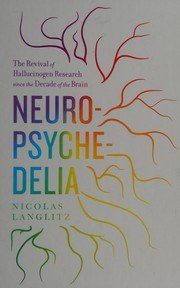
- Neuropsychedelia: The Revival of Hallucinogen Research since the Decade of the BrainNicolas</span><span class="bm-sep"> <span>Langlitz · 2012
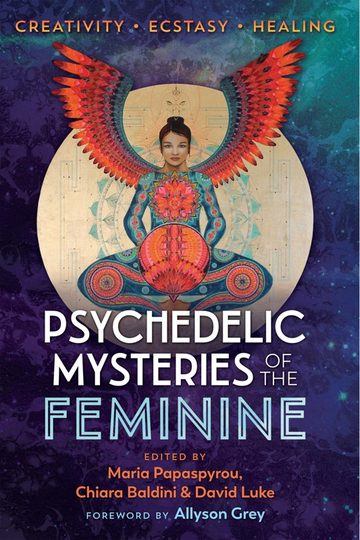
- Psychedelic Mysteries of the Feminine: Creativity, Ecstasy, and HealingMaria <span>Papaspyrou, Chiara Baldini y David (eds.)</span><span class="bm-sep"> Luke · 2019
- The HallucinogensAbram <span>Hoffer y Humphry</span><span class="bm-sep"> Osmond · 1967
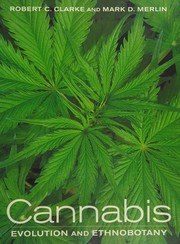
- Cannabis: Evolution and EthnobotanyRobert C. <span>Clarke y Mark D.</span><span class="bm-sep"> Merlin · 2013
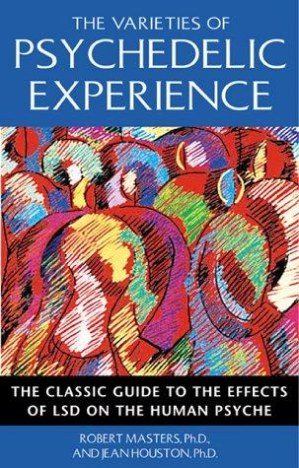
- The Varieties of Psychedelic ExperienceR. E. L. <span>Masters y Jean</span><span class="bm-sep"> Houston · 1966
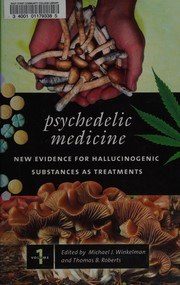
- Psychedelic Medicine: New Evidence for Hallucinogenic Substances as TreatmentsMichael J. <span>Winkelman y Thomas B. (eds.)</span><span class="bm-sep"> Roberts · 2007
A suggested reading list compiled by APDER. The heading description is our own; the edition synopsis comes from the bibliographic record. Including a book does not mean we agree with everything in it.