

Inicio · Biblioteca · Antropología, etnobotánica y chamanismo
The Devil's Book of Culture
History, Mushrooms, and Caves in Southern Mexico
Benjamin Feinberg
Etnografía de la sierra mazateca tras la llegada de los buscadores de hongos.
Edición de referencia
- Editorial
- University of Texas Press
- Fecha de publicación
- 2010
- Año de la obra
- 2003
- Idioma
- Inglés
- Longitud de impresión
- 288 páginas
- ISBN-10
- 0292798741
- ISBN-13
- 978-0292798748
- Otras ediciones registradas
- Inglés · 2003
Sinopsis de la edición
Since the 1950s, the Sierra Mazateca of Oaxaca, Mexico, has drawn a strange assortment of visitors and pilgrims—schoolteachers and government workers, North American and European spelunkers exploring the region's vast cave system, and counterculturalists from hippies (John Lennon and other celebrities supposedly among them) to New Age seekers, all chasing a firsthand experience of transcendence and otherness through the ingestion of psychedelic mushrooms "in context" with a Mazatec shaman. Over time, this steady incursion of the outside world has significantly influenced the Mazatec sense of identity, giving rise to an ongoing discourse about what it means to be "us" and "them." In this highly original ethnography, Benjamin Feinberg investigates how different understandings of Mazatec identity and culture emerge through talk that circulates within and among various groups, including Mazatec-speaking businessmen, curers, peasants, intellectuals, anthropologists, bureaucrats, cavers, and mushroom-seeking tourists. Specifically, he traces how these groups express their sense of culture and identity through narratives about three nearby yet strange discursive "worlds"—the "magic world" of psychedelic mushrooms and shamanic practices, the underground world of caves and its associated folklore of supernatural beings and magical wealth, and the world of the past or the past/present relationship. Feinberg's research refutes the notion of a static Mazatec identity now changed by contact with the outside world, showing instead that identity forms at the intersection of multiple transnational discourses.
Lecturas relacionadas
- The Way of the ShamanMichael</span><span class="bm-sep"> <span>Harner · 1980
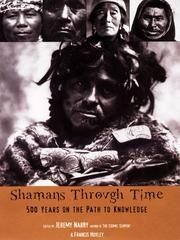
- Shamans Through Time: 500 Years on the Path to KnowledgeJeremy <span>Narby y Francis (eds.)</span><span class="bm-sep"> Huxley · 2001
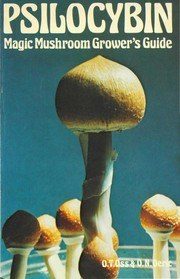
- Psilocybin: Magic Mushroom Grower's GuideO. T. <span>Oss y O. N.</span><span class="bm-sep"> Oeric · 1976
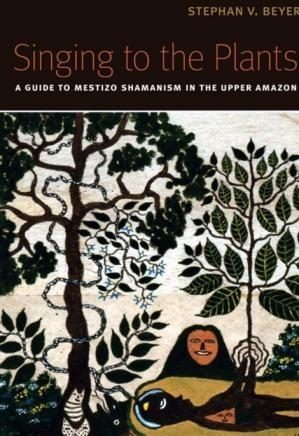
- Singing to the Plants: A Guide to Mestizo Shamanism in the Upper AmazonStephan V.</span><span class="bm-sep"> <span>Beyer · 2009
- Essential Substances: A Cultural History of Intoxicants in SocietyRichard</span><span class="bm-sep"> <span>Rudgley · 1993
- Ayahuasca, la realidad detrás de la realidadJosep Maria</span><span class="bm-sep"> <span>Fericgla · 2018



Lista orientativa elaborada por APDER. La descripción del encabezado es nuestra; la sinopsis de la edición procede del registro bibliográfico. Incluir un libro no significa que estemos de acuerdo con todo su contenido.