

Inicio · Biblioteca · Política y sociedad
The Making of a Counter Culture
Theodore Roszak
El ensayo que dio nombre y teoría a la contracultura.
Edición de referencia
- Editorial
- Doubleday
- Fecha de publicación
- 1969
- Idioma
- Inglés
- Longitud de impresión
- 313 páginas
- ISBN-10
- 0385020074
- ISBN-13
- 978-0385020077
- Título de la edición
- The Making of a Counter Culture: Reflections on the Technocratic Society and Its Youthful Opposition
- Edición en español
- El nacimiento de una contracultura (Kairós, 1970)
- ISBN de ediciones registradas
- 978-0520201224 · 978-0571093991 · 978-0571096763 · 0520201221 · 057109399X · 057109676X
- Otras ediciones registradas
- Español · ePubLibre · 1969 | Español · Epublibre · 1967 | Español · LMilano · 1968 | Inglés · London, Faber · 1970
Sinopsis de la edición
When it was published twenty-five years ago, this book captured a huge audience of Vietnam War protesters, dropouts, and rebels--and their baffled elders. Theodore Roszak found common ground between 1960s student radicals and hippie dropouts in their mutual rejection of what he calls the technocracy--the regime of corporate and technological expertise that dominates industrial society. He traces the intellectual underpinnings of the two groups in the writings of Herbert Marcuse and Norman O. Brown, Allen Ginsberg and Paul Goodman. In a new introduction, Roszak reflects on the evolution of counter culture since he coined the term in the sixties. Alan Watts wrote of The Making of a Counter Culture in the San Francisco Chronicle in 1969, "If you want to know what is happening among your intelligent and mysteriously rebellious children, this is the book. The generation gap, the student uproar, the New Left, the beats and hippies, the psychedelic movement, rock music, the revival of occultism and mysticism, the protest against our involvement in Vietnam, and the seemingly odd reluctance of the young to buy the affluent technological society--all these matters are here discussed, with sympathy and constructive criticism, by a most articulate, wise, and humane historian."
Lecturas relacionadas
- Mycelium Running<span>Paul Stamets</span>
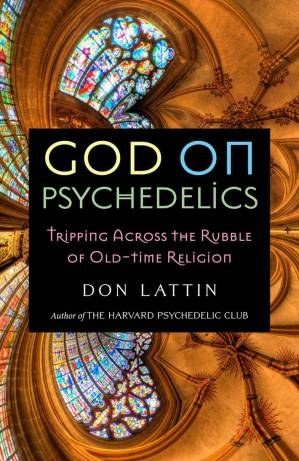
- God on Psychedelics: Tripping Across the Rubble of Old-Time ReligionDon</span><span class="bm-sep"> <span>Lattin · 2023
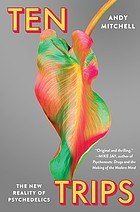
- Ten Trips: The New Reality of PsychedelicsAndy</span><span class="bm-sep"> <span>Mitchell · 2023
- Historia general de las drogasAntonio</span><span class="bm-sep"> <span>Escohotado · 1989
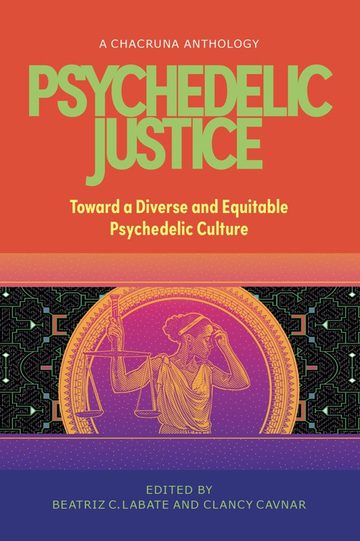
- Psychedelic Justice: Toward a Diverse and Equitable Psychedelic CultureBeatriz Caiuby <span>Labate y Clancy (eds.)</span><span class="bm-sep"> Cavnar · 2021
- Allies for Awakening: Guidelines for Productive and Safe Experiences with EntheogensRalph</span><span class="bm-sep"> <span>Metzner · 2015



Lista orientativa elaborada por APDER. La descripción del encabezado es nuestra; la sinopsis de la edición procede del registro bibliográfico. Incluir un libro no significa que estemos de acuerdo con todo su contenido.