

Inicio · Biblioteca · Espiritualidad y filosofía
The Deep Self
John C. Lilly
El tanque de aislamiento; tangencial.
Edición de referencia
- Editorial
- Simon and Schuster
- Fecha de publicación
- 1977
- Edición
- 1st
- Idioma
- Inglés
- Longitud de impresión
- 307 páginas
- ISBN-10
- 0671225529
- ISBN-13
- 978-0671225520
- Título de la edición
- The Deep Self: Profound Relaxation and the Tank Isolation Technique
- Otras ediciones registradas
- Inglés · Gateways Books & Tapes · 2007 | Inglés · Gateways Books & Tapes · 2012 | Inglés · New York : Simon and Schuster · 1977 | Inglés · New York, New York : Simon and Schuster · 1977
Sinopsis de la edición
Dr. John Lilly, author of 'The Center of the Cyclone' and 'Man and Dolphin' draws upon 22 years of groundbreaking scientific research to present his remarkable theory and techniques of 'isolation therapy,' showing readers how to unfold and experience new degrees of self-awareness and personal harmony. Dr. Lilly has been studying isolation therapy ever since he developed this method in 1954 at this National Institute for Mental Health. Since 1973, he has been working in California with scores of men and women volunteers who have recorded their extraordinary experiences, Thse personal 'tan logs' on the feelings and fantasies experienced by Burgess Meredith, Robert Wilson, Gregory Bateson, Werner Erhard and others while in the isolation tank are presented together with the author's hypotheses and observations on peace in isolation versus 'sensory deprivation.' The book also gives standards and specifications for isolation-tank manufacture and clear step-by-step instructions on how to build and maintain your own tank. As Dr. Craig Enright says in his foreword: 'The tank is a tool for process, like meditation...the inner theater...that allows us to expand our awareness of our internal state of being...and enriches not only that realm but the course of the everyday world in which we live.'
Lecturas relacionadas
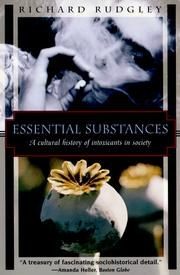
- Essential Substances: A Cultural History of Intoxicants in SocietyRichard</span><span class="bm-sep"> <span>Rudgley · 1993
- Psychedelics and Psychotherapy: The Healing Potential of Expanded StatesTim <span>Read y Maria (eds.)</span><span class="bm-sep"> Papaspyrou · 2021
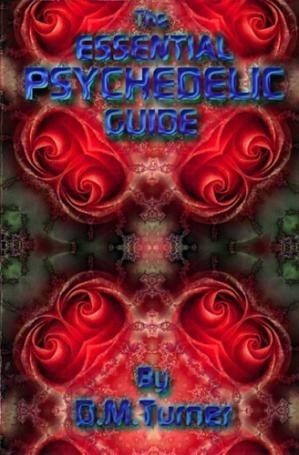
- The Essential Psychedelic GuideD. M.</span><span class="bm-sep"> <span>Turner · 1994
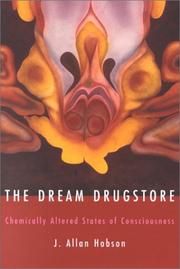
- The Dream Drugstore<span>J. Allan Hobson</span>
- Historia elemental de las drogasAntonio</span><span class="bm-sep"> <span>Escohotado · 1996
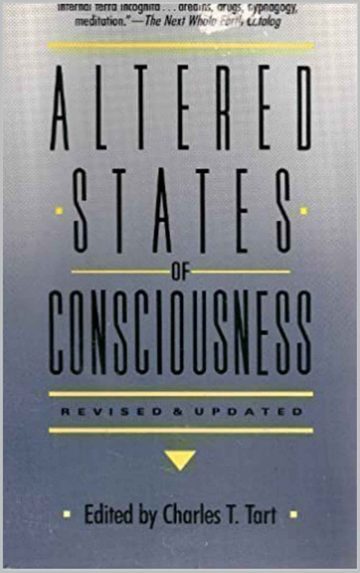
- Altered States of ConsciousnessCharles T. (ed.)</span><span class="bm-sep"> <span>Tart · 1969


Lista orientativa elaborada por APDER. La descripción del encabezado es nuestra; la sinopsis de la edición procede del registro bibliográfico. Incluir un libro no significa que estemos de acuerdo con todo su contenido.