

Inicio · Biblioteca · Espiritualidad y filosofía
Mindapps
Multistate Theory and Tools for Mind Design
Thomas B. Roberts
Teoría multiestado de la mente.
Edición de referencia
- Editorial
- Park Street Press,U.S.
- Fecha de publicación
- 2019
- Idioma
- Inglés
- Longitud de impresión
- 256 páginas
- ISBN-10
- 1620558181
- ISBN-13
- 978-1620558188
Sinopsis de la edición
An exploration of "mind design" technologies and practices—mindapps—that boost intellectual capacity and enable new ways of thought and action• Reveals how mindapps transform the patterns of our mind-body complex and help generate new ideas by enabling access to new mind states • Examines the singlestate fallacy—the myth that useful thinking only occurs in our ordinary awake mental state • Explores a wealth of mindapp practices and techniques, including microdosing with psychedelics, yoga and martial arts, hypnosis, breathing techniques, lucid dreaming, rites of passage, biofeedback and neurofeedback, and transcranial brain stimulationJust as we can write and install apps in our electronic devices, we can construct "mindapps" and install them in our brain-mind complex, and as just as digital apps add capabilities to our devices, mindapps can expand our mental powers and creative abilities, allowing us to intentionally redesign our minds. Using psychedelics as the prime example, Thomas B. Roberts explores the many different kinds of mindapps, including meditation, other psychoactive plants and chemicals, sensory overload and deprivation, biofeedback and neurofeedback, hypnosis and suggestion, sleep and lucid dreaming, creative imagery, transcranial brain stimulation and optical brain stimulation, rites of passage, martial arts and exercise routines, yoga, breathing techniques, and contemplative prayer. He also looks at the future of mindapps, the potential for new mindapps yet to be invented, and how installing multiple mindapps can produce new, yet to be explored mind states. Drawing on decades of research, he shows how psychedelics in particular are "ideagens"—powerful tools for generating new ideas and new ways of thinking.
Lecturas relacionadas
- The Marriage Of The Sun And Moon<span>Andrew Weil</span>
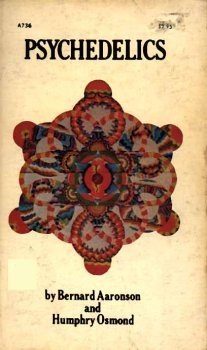
- Psychedelics: The Uses and Implications of Hallucinogenic DrugsBernard <span>Aaronson y Humphry (eds.)</span><span class="bm-sep"> Osmond · 1970
- The Long Trip: A Prehistory of PsychedeliaPaul</span><span class="bm-sep"> <span>Devereux · 1997
- Handbook of Medical HallucinogensCharles S. <span>Grob y Jim (eds.)</span><span class="bm-sep"> Grigsby · 2021
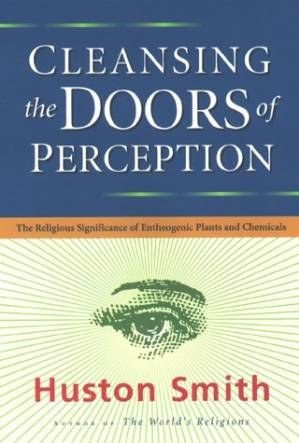
- Cleansing the Doors of Perception: The Religious Significance of Entheogenic Plants and ChemicalsHuston</span><span class="bm-sep"> <span>Smith · 2000
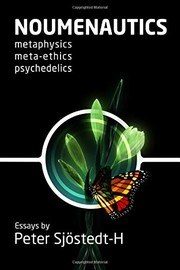
- Noumenautics: Metaphysics, Meta-ethics, PsychedelicsPeter</span><span class="bm-sep"> <span>Sjöstedt-Hughes · 2015


Lista orientativa elaborada por APDER. La descripción del encabezado es nuestra; la sinopsis de la edición procede del registro bibliográfico. Incluir un libro no significa que estemos de acuerdo con todo su contenido.