

Inicio · Biblioteca · Otras lecturas
Inner Sound
Altered States of Consciousness in Electronic Music and Audio-Visual Media
Jonathan Weinel
Cómo la música y la imagen representan los estados alterados.
Edición de referencia
- Editorial
- Oxford University Press
- Fecha de publicación
- 2018
- Idioma
- Inglés
- ISBN-10
- 019067119X
- ISBN-13
- 978-0190671198
- Título de la edición
- Inner Sound
- Otras ediciones registradas
- Inglés · Oxford University Press · 2018
Sinopsis de la edición
Over the last century, developments in electronic music and art have enabled new possibilities for creating audio and audio-visual artworks. With this new potential has come the possibility for representing subjective internal conscious states, such as the experience of hallucinations, using digital technology. Combined with immersive technologies such as virtual reality goggles and high-quality loudspeakers, the potential for accurate simulations of conscious encounters such as Altered States of Consciousness (ASCs) is rapidly advancing. In Inner Sound, author Jonathan Weinel traverses the creative influence of ASCs, from Amazonian chicha festivals to the synaesthetic assaults of neon raves; and from an immersive outdoor electroacoustic performance on an Athenian hilltop to a mushroom trip on a tropical island in virtual reality. Beginning with a discussion of consciousness, the book explores how our subjective realities may change during states of dream, psychedelic experience, meditation, and trance. Taking a broad view across a wide range of genres, Inner Sound draws connections between shamanic art and music, and the modern technoshamanism of psychedelic rock, electronic dance music, and electroacoustic music. Going beyond the sonic into the visual, the book also examines the role of altered states in film, visual music, VJ performances, interactive video games, and virtual reality applications. Through the analysis of these examples, Weinel uncovers common mechanisms, and ultimately proposes a conceptual model for Altered States of Consciousness Simulations (ASCSs). This theoretical model describes how sound can be used to simulate various subjective states of consciousness from a first-person perspective, in an interactive context.
Lecturas relacionadas
- From Chocolate to Morphine: Everything You Need to Know About Mind-Altering DrugsAndrew <span>Weil y Winifred</span><span class="bm-sep"> Rosen · 1983
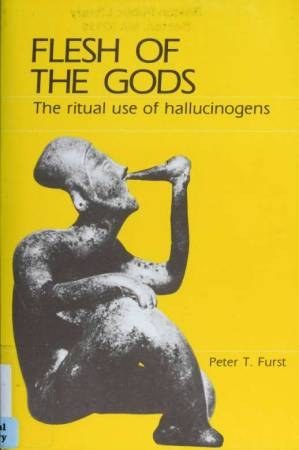
- Flesh of the Gods: The Ritual Use of HallucinogensPeter T. (ed.)</span><span class="bm-sep"> <span>Furst · 1972
- Pharmako/Dynamis: Stimulating Plants, Potions, and HerbcraftDale</span><span class="bm-sep"> <span>Pendell · 2002
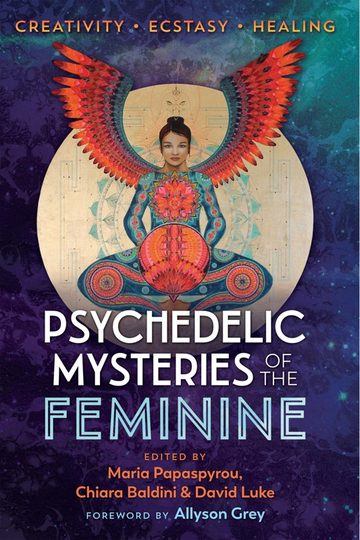
- Psychedelic Mysteries of the Feminine: Creativity, Ecstasy, and HealingMaria <span>Papaspyrou, Chiara Baldini y David (eds.)</span><span class="bm-sep"> Luke · 2019
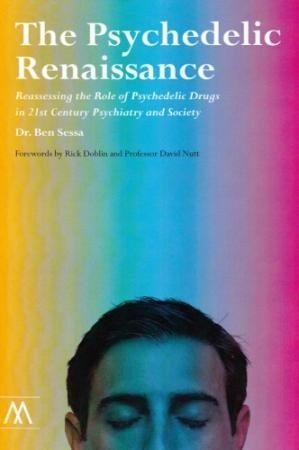
- The Psychedelic Renaissance: Reassessing the Role of Psychedelic Drugs in 21st Century Psychiatry and SocietyBen</span><span class="bm-sep"> <span>Sessa · 2012
- Paul Krassner's Psychedelic Trips for the Mind<span>Paul Krassner</span>


Lista orientativa elaborada por APDER. La descripción del encabezado es nuestra; la sinopsis de la edición procede del registro bibliográfico. Incluir un libro no significa que estemos de acuerdo con todo su contenido.