

Inicio · Biblioteca · Antropología, etnobotánica y chamanismo
Ecstatic Religion
I. M. Lewis
Estudio clásico de la posesión y el trance.
Edición de referencia
- Editorial
- Routledge
- Fecha de publicación
- 2003
- Año de la obra
- 1971
- Edición
- 3
- Idioma
- Inglés
- Longitud de impresión
- 211 páginas
- ISBN-10
- 041530508X
- ISBN-13
- 978-0415305082
- Título de la edición
- Ecstatic Religion: A Study of Shamanism and Spirit Possession
- ISBN de ediciones registradas
- 978-0415301244 · 978-0203241080 · 0415301246 · 0203241088
- Otras ediciones registradas
- Inglés · London ; New York : Routledge · 2003 | Inglés · Harmondsworth, England : Penguin Books · 1971 | Inglés · London ; New York : Routledge · 1989
Sinopsis de la edición
States of spirit possession, in which believer's feel themselves to be 'possessed' by the deity and raised to a new plane of existence, are found in almost all known religions. From Dionysiac cults to Haitia voodoo, Christian and Sufi mysticism to shamanic ritual, the rapture and frenzy of ecstatic experience forms an iconic expression of faith in all its devastating power and unpredictability. Ecstatic Religion has, since its first appearance in 1971, became the classic investigative study of these phenomena. Exploring the social and political significance of spiritual ecstasy and possession, it concerns the distinct types of functions of mystical experience - in particular, the differences between powerful male-dominated possession cults which reinforce established morality and power, and marginal, renegade ecstatics expressing forms of protest on behalf of the oppressed, especially women. I. M. Lewis's wide-ranging comparative study looks at the psychological, medical, aesthetic, religious and cultural aspects of possession, and covers themes including soul-loss, ecstatic trance, divination, erotic passion and exorcism. Probing the mysteries of spirit possession through the critical lens of anthropological and sociological theory, this fully revised and expanded Third Edition is of crucial importance for students of psychology, sociology, religious mysticism and shamanism.
Lecturas relacionadas
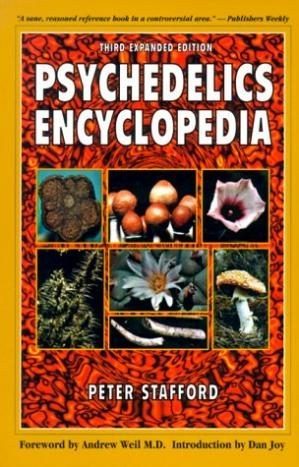
- Psychedelics EncyclopediaPeter</span><span class="bm-sep"> <span>Stafford · 1977
- Psychedelic Reflections<span>James Bakalar Lester Grinspoon</span>
- From Chocolate to Morphine: Everything You Need to Know About Mind-Altering DrugsAndrew <span>Weil y Winifred</span><span class="bm-sep"> Rosen · 1983
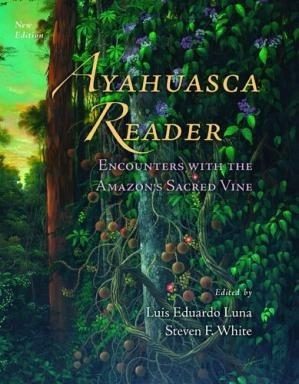
- Ayahuasca Reader: Encounters with the Amazon's Sacred VineLuis Eduardo <span>Luna y Steven F. (eds.)</span><span class="bm-sep"> White · 2000
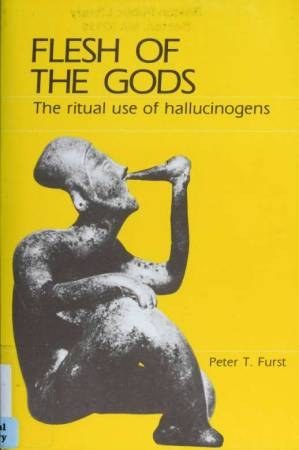
- Flesh of the Gods: The Ritual Use of HallucinogensPeter T. (ed.)</span><span class="bm-sep"> <span>Furst · 1972
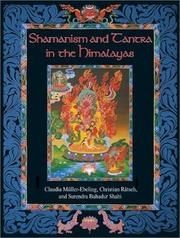
- Shamanism and Tantra in the HimalayasClaudia <span>Müller-Ebeling, Christian Rätsch y Surendra Bahadur</span><span class="bm-sep"> Shahi · 2002

Lista orientativa elaborada por APDER. La descripción del encabezado es nuestra; la sinopsis de la edición procede del registro bibliográfico. Incluir un libro no significa que estemos de acuerdo con todo su contenido.