

Inicio · Biblioteca · Antropología, etnobotánica y chamanismo
Chocolate in Mesoamerica
A Cultural History of Cacao
Cameron L. McNeil (ed.)
Volumen académico sobre el cacao ritual.
Edición de referencia
- Editorial
- University Press of Florida
- Fecha de publicación
- 2006
- Idioma
- Inglés
- Longitud de impresión
- 544 páginas
- Colección
- Maya studies
- ISBN-10
- 0813029538
- ISBN-13
- 978-0813029535
- ISBN de ediciones registradas
- 978-0813033822 · 978-0813040059 · 0813033829 · 0813040051
- Otras ediciones registradas
- Inglés · Gainesville : University Press of Florida · 2006
Sinopsis de la edición
"A monumental contribution to the study of a plant food of basic importance from pre-Columbian times to the present in the Americas and now the world. . . . It will be the baseline for studies of chocolate in the Americas and the world for the foreseeable future."—Rene Millon, professor emeritus, University of RochesterNew models of research and analysis, as well as breakthroughs in deciphering Mesoamerican writing, have recently produced a watershed of information on the regional use and importance of cacao, or chocolate as it is commonly called today. McNeil brings together scholars in the fields of archaeology, history, art history, linguistics, epigraphy, botany, chemistry, and cultural anthropology to explore the domestication, preparation, representation, and significance of cacao in ancient and modern communities of the Americas, with a concentration on its use in Mesoamerica. Cacao was used by many cultures in the pre-Columbian Americas as an important part of rituals associated with birth, coming of age, marriage, and death, and was strongly linked with concepts of power and rulership. While Europeans have for hundreds of years claimed that they introduced "chocolate" as a sauce for foods, evidence from ancient royal tombs indicates cacao was used in a range of foods as well as beverages in ancient times. In addition, the volume's authors present information that supports a greater importance for cacao in pre-Columbian South America, where ancient vessels depicting cacao pods have recently been identified. From the botanical structure and chemical makeup of Theobroma cacao and methods of identifying it in the archaeological record, to the importance of cacao during the Classic period in Mesoamerica, to the impact of European arrival on the production and use of cacao, to contemporary uses in the Americas, this volume provides a richly informed account of the history and cultural significance of chocolate.
Lecturas relacionadas
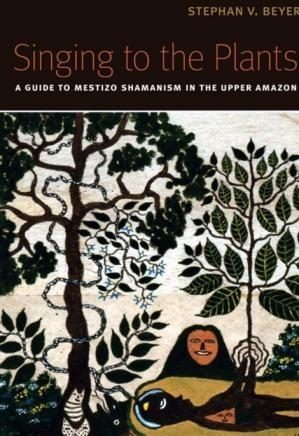
- Singing to the Plants: A Guide to Mestizo Shamanism in the Upper AmazonStephan V.</span><span class="bm-sep"> <span>Beyer · 2009
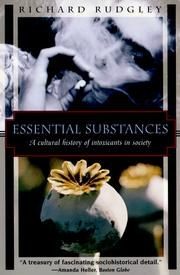
- Essential Substances: A Cultural History of Intoxicants in SocietyRichard</span><span class="bm-sep"> <span>Rudgley · 1993
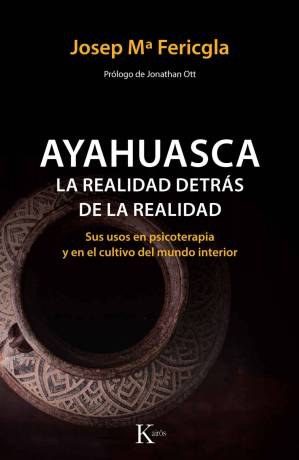
- Ayahuasca, la realidad detrás de la realidadJosep Maria</span><span class="bm-sep"> <span>Fericgla · 2018
- Peyote Hunt: The Sacred Journey of the Huichol IndiansBarbara G.</span><span class="bm-sep"> <span>Myerhoff · 1974
- Psychedelic Shamanism: The Cultivation, Preparation, and Shamanic Use of Psychotropic PlantsJim</span><span class="bm-sep"> <span>DeKorne · 1994
- The Wondrous Mushroom: Mycolatry in MesoamericaR. Gordon</span><span class="bm-sep"> <span>Wasson · 1980
Lista orientativa elaborada por APDER. La descripción del encabezado es nuestra; la sinopsis de la edición procede del registro bibliográfico. Incluir un libro no significa que estemos de acuerdo con todo su contenido.